Your digging level
Description
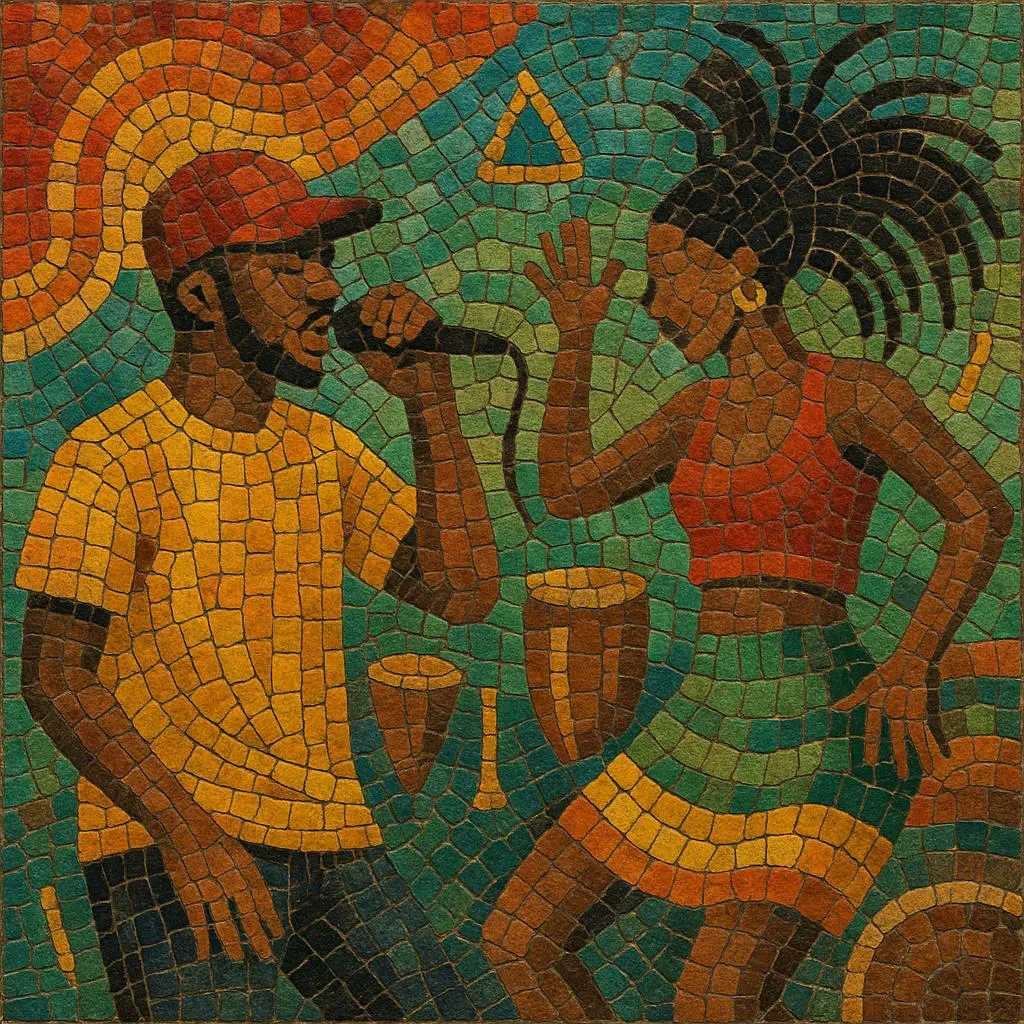
Dancehall mauricien is the Mauritian take on Jamaican dancehall, delivered primarily in Mauritian Creole and shaped by the island’s own dance-music DNA. It blends the dembow groove and toasting style of dancehall with local sega/seggae percussion colors (ravanne, maravanne, triangle) and the melodic sensibilities of Indian Ocean pop.
Beats are typically mid‑tempo and heavy on syncopation, bass pressure, and rimshot claps, while hooks lean toward catchy, singable refrains. Lyrically, it moves between party energy, romance, social boasting, and everyday island life, often using rapid‑fire Creole slang and call‑and‑response chants.
The result is a club‑ready, street‑level sound: unmistakably dancehall in structure, but stamped with Mauritius’s rhythms, language, and regional influences from the wider Indian Ocean.
History
Mauritian listeners embraced reggae and dancehall imports via radio, mixtapes, and satellite TV in the 1990s. In parallel, sega and its reggae‑inflected offshoot seggae provided a local rhythmic and cultural foundation—creole lyrics, ravanne/percussion textures, and a taste for social commentary.
In the 2000s, a distinct Mauritian variant of dancehall coalesced around sound‑system culture, block parties, and small studios. Producers adapted Jamaican riddims to local tastes, layering sega‑style percussion, brighter synth leads, and Creole hooks. The scene grew through compilations, street DVDs, and community radio, with MCs trading toasts and shout‑outs over shared riddims.
Affordable home studios, YouTube, and social media supercharged output and visibility. Crews and solo artists pushed high‑energy singles aimed at clubs and minibus sound systems. Autotune hooks, trap‑era 808s, and afrobeats‑adjacent toplines entered the palette, while the core dembow/dancehall engine and Creole delivery remained central.
Dancehall mauricien thrives as a club and street soundtrack across Mauritius (including Rodrigues) and among diaspora audiences. It continues to fuse regional currents—zouk, afrobeats, French/Indian Ocean pop—without losing the island’s hallmark: dancehall attitude delivered in Creole over beats that nod to sega and seggae.

Best playlists