Your digging level for this genre

0/8
🏆
Sign in, then listen to this genre to level up

Description

Seggae is a Mauritian fusion genre that blends the loping pulse and skanking guitar of reggae with the hand‑drummed grooves and call‑and‑response vocals of sega, the island’s traditional dance music.

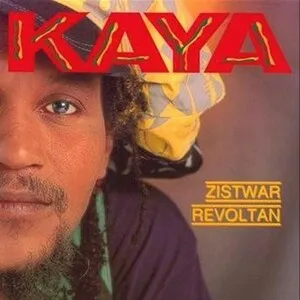
It typically features Creole (Kreol Morisien) lyrics that address everyday life, social justice, spirituality, and national identity, delivering protest themes in an uplifting, highly danceable format. Created in the mid‑1980s and popularized by the singer‑guitarist Kaya and his band Racinetatane, seggae became a cultural voice for Mauritius and the wider Indian Ocean region.

History

Origins (mid‑1980s)

Seggae emerged in Mauritius in the mid‑1980s when Joseph Réginald Topize, better known as Kaya, began fusing reggae’s off‑beat skank and bass‑led grooves with sega’s traditional percussion (ravanne, maravanne, triangle) and local song forms. Drawing on reggae’s roots ethos and the island’s Creole culture, he and the band Racinetatane crystallized a new, faster, and distinctly Mauritian hybrid.

Rise and Cultural Role (late 1980s–1990s)

By the late 1980s, seggae had become the soundtrack of youth and community gatherings, its Creole lyrics addressing inequality, dignity, love, and spirituality. The style’s protest spirit aligned with reggae’s Rastafarian message while remaining rooted in sega’s celebratory call‑and‑response. Through performances and recordings, Kaya’s work spread across Mauritius and neighboring islands, giving the genre regional visibility.

Consolidation and Legacy (2000s–present)

After Kaya’s death in 1999, seggae remained a living tradition, carried forward by bands and solo artists who modernized arrangements, folded in pop and rock textures, and expanded studio production. The genre continues to anchor festivals and local media, symbolizing Mauritian identity and the Indian Ocean’s capacity for musical hybridity. Contemporary acts maintain its social conscience while adapting its sound for new audiences.

How to make a track in this genre

Rhythm and Tempo
•   Aim for a moderate, danceable tempo around 90–110 BPM. •   Use a reggae one‑drop or steppers drum feel, but layer sega percussion (ravanne frame drum, maravanne shaker, triangle) to add the rolling, hand‑played energy typical of Mauritian sega.
Harmony and Bass
•   Keep harmony simple and cyclical (I–IV–V or i–VI–VII progressions), favoring major or natural minor modes. •   Write a melodic, head‑nodding bassline that leads the groove; let it lock with the kick while leaving space for hand percussion.
Guitar and Keys
•   Play a clean, skanking rhythm guitar on the off‑beats (2 and 4) to retain reggae feel. •   Add sparse keyboard comps, organs, or light synth pads for harmonic glue; avoid over‑arranging to keep the rhythm section front‑and‑center.
Vocals and Lyrics
•   Sing in Mauritian Creole (or a mix with French/English) and use call‑and‑response hooks to reflect sega’s participatory tradition. •   Focus on themes of social justice, everyday struggle, love, unity, and spirituality; keep melodies direct and memorable.
Arrangement and Production
•   Prioritize pocket and space: percussion, bass, and guitar skank should interlock without crowding. •   Blend live percussion with tight drum kit or programmed drums; light dub‑style effects (delays, reverbs) on vocals or guitar can add depth without losing clarity.
Performance Tips
•   Emphasize groove over virtuosity; encourage audience participation through choruses and percussive breaks. •   Feature short instrumental interludes where ravanne and bass converse, highlighting the fusion of sega and reggae.

Top tracks

Locked
Share your favorite track to unlock other users’ top tracks
Influenced by
Has influenced
No genres found
Challenges
Digger Battle
Let's see who can find the best track in this genre
© 2025 Melodigging
Melodding was created as a tribute to Every Noise at Once, which inspired us to help curious minds keep digging into music's ever-evolving genres.
Buy me a coffee for Melodigging