Your digging level
Description
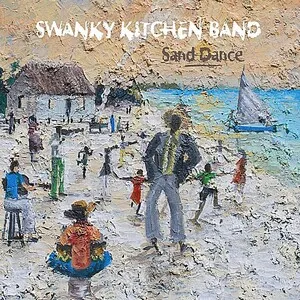
Kitchen dance music is a traditional social dance style from the Cayman Islands, performed at home gatherings where people cleared space in the kitchen or great room to play and dance.
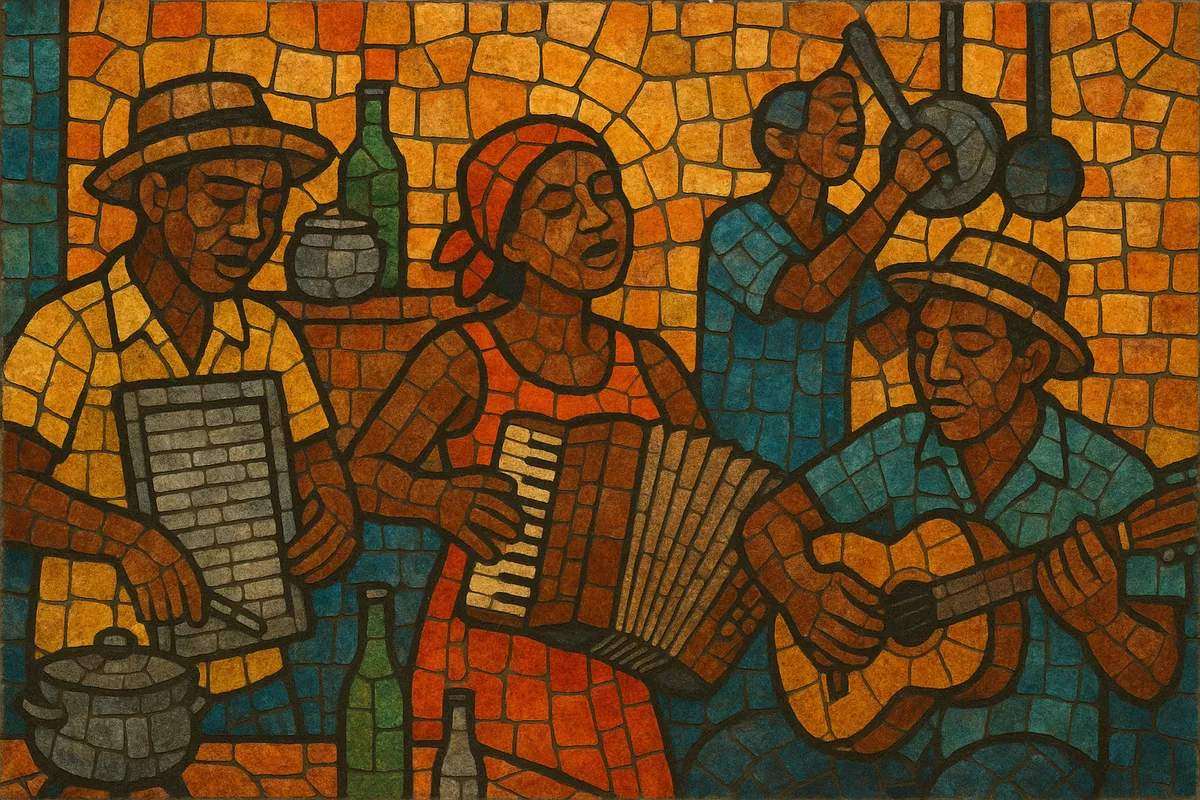
The sound is led by a fiddle carrying lively reels, polkas, and waltzes, supported by homemade percussion such as a metal kitchen grater (scraped with a fork or comb), triangles, maracas, drums, bottles, and handclaps. The repertoire blends British Isles dance forms with Caribbean rhythmic feel, creating a bright, driving groove designed for communal dancing and call‑and‑response fun.
History
Kitchen dance music emerged in the 1800s in the Cayman Islands as a house‑party tradition. Settlers and sailors from the British Isles brought dance forms and fiddle tunes (reels, waltzes, polkas, schottisches), which mingled with Afro‑Caribbean sensibilities and local ingenuity. With few formal venues and limited access to instruments, people adapted household items—especially the metal kitchen grater—into percussion, giving the style its name and its distinctive scraping timbre.
Through the late 19th and early 20th centuries, kitchen dances were central to social life. Fiddlers led sets of figure dances and couple dances, while neighbors contributed percussion on triangles, bottles, maracas, frame drums, and the iconic grater. The feel is straight and driving for set dances, with lilting swing for waltzes and romantic airs; melodies stay in major keys with simple diatonic harmony.
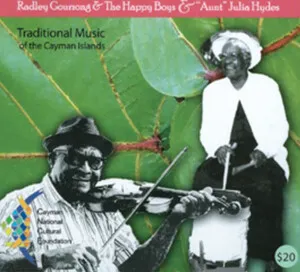
As radios, recorded music, and modern venues spread across the Caribbean, intimate kitchen gatherings decreased, and popular genres (calypso, mento, goombay) rose in prominence. From the late 20th century, cultural organizations and local bands helped revive the kitchen band sound for festivals, heritage events, and schools—keeping the fiddle‑and‑grater aesthetic alive in a contemporary community context.
Kitchen dance music remains a living emblem of Caymanian heritage. It appears at cultural celebrations, tourism showcases, and community events, with ensembles preserving the core fiddle tunes and homemade percussion while introducing fresh arrangements and medleys that sustain the music’s social, dance‑led purpose.