Your digging level
Description
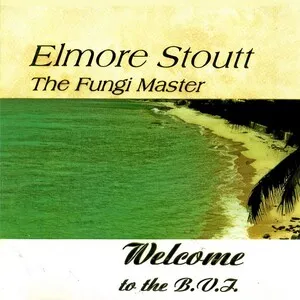
Fungi (often called “fungi music” or “fungi band” music) is the traditional dance-band folk style of the British Virgin Islands. It blends African-derived rhythms with European social-dance forms and string-band instrumentation, producing a light, lilting groove for community celebrations and quadrille dancing.
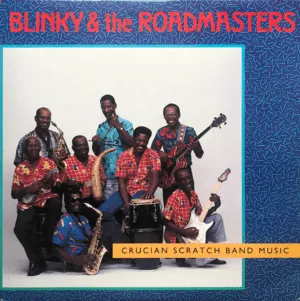
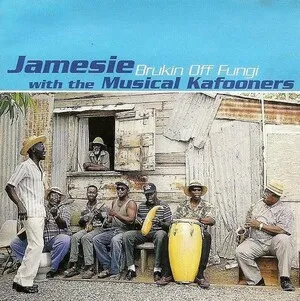
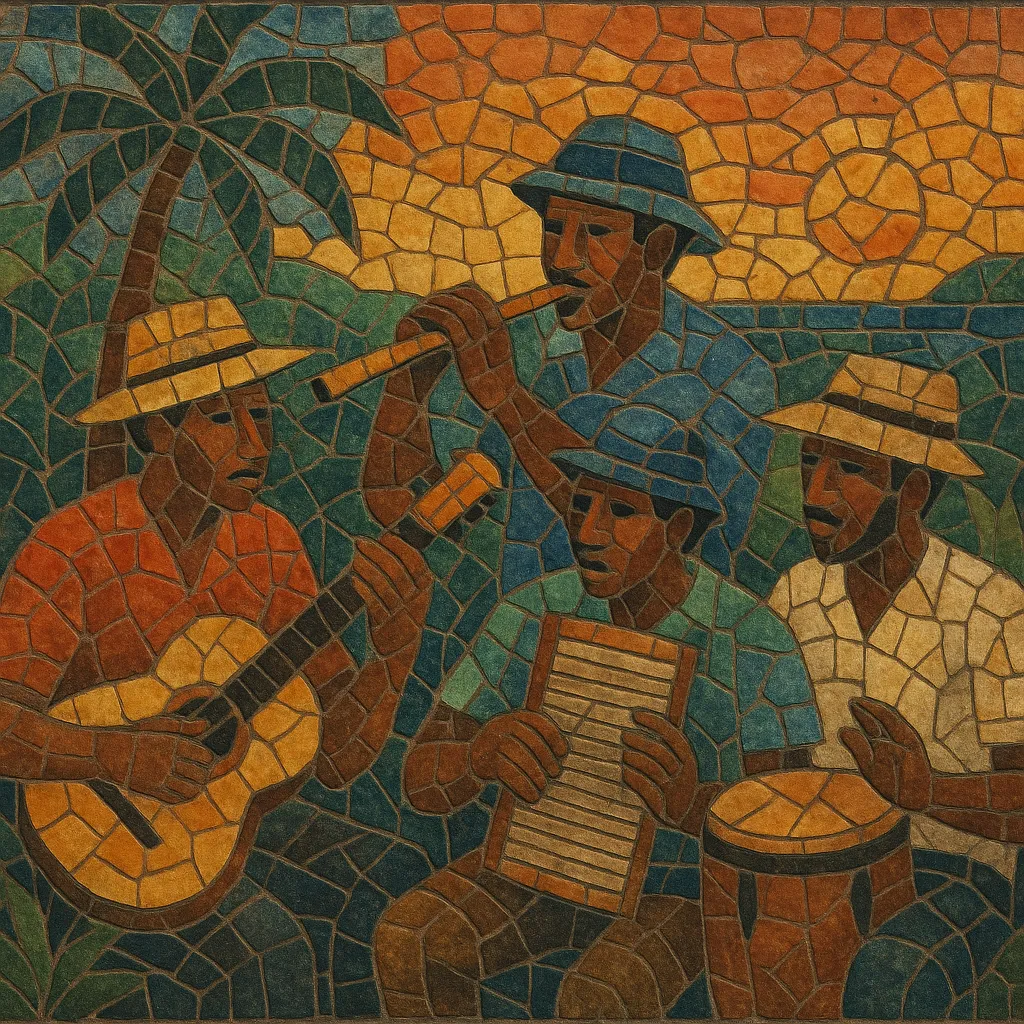
Typical ensembles ("fungi bands") mix guitar, banjo or ukulele, bass, hand percussion (güiro/squash, washboard, triangle), and small drums, sometimes adding flute, saxophone, or accordion. Lyrics are witty, topical, and storytelling-oriented—full of humor, double entendre, and social commentary—while melodies sit over simple I–IV–V progressions and gently syncopated, calypso- and mento-like rhythms.
The name is popularly linked to the local dish "fungi" (cornmeal and okra), symbolizing a hearty mix of ingredients—just like the music’s blend of African and European elements.
History
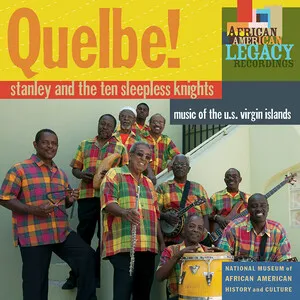
Fungi developed in the Virgin Islands as a community dance and entertainment tradition rooted in the late 19th and early 20th centuries. In the British Virgin Islands, the style crystallized as “fungi” (akin to the U.S. Virgin Islands’ “quelbe”/scratch-band tradition), fusing African rhythmic practices and call-and-response singing with European social-dance forms such as the quadrille, waltz, polka, schottische, and mazurka. Homemade and portable instruments—guitar, banjo/ukulele, squash (güiro), triangle, and washboard—made the style ideal for village fêtes and open-air dancing.
By the mid-1900s, fungi bands were fixtures at weddings, fairs, and emancipation celebrations. The music’s verse–chorus storytelling, humorous topical lyrics, and danceable grooves aligned it with calypso and mento currents circulating across the Antilles, while retaining a distinctly Virgin Islands sound and repertoire.
During the cultural revivals of the late 20th century, fungi became a symbol of BVI heritage, featured prominently at the BVI Emancipation Festival and in school and community bands. Modern fungi ensembles may include bass guitar, small drum kits, keyboards, or saxophone, but the core rhythm, rustic timbres, and social-commentary lyrics remain. Today, fungi continues to serve as living folk culture—music to dance, laugh, and tell island stories to.