Your digging level
Description
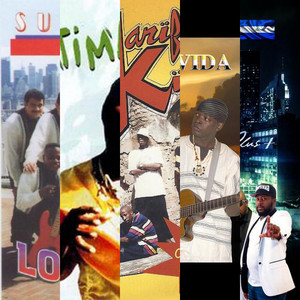
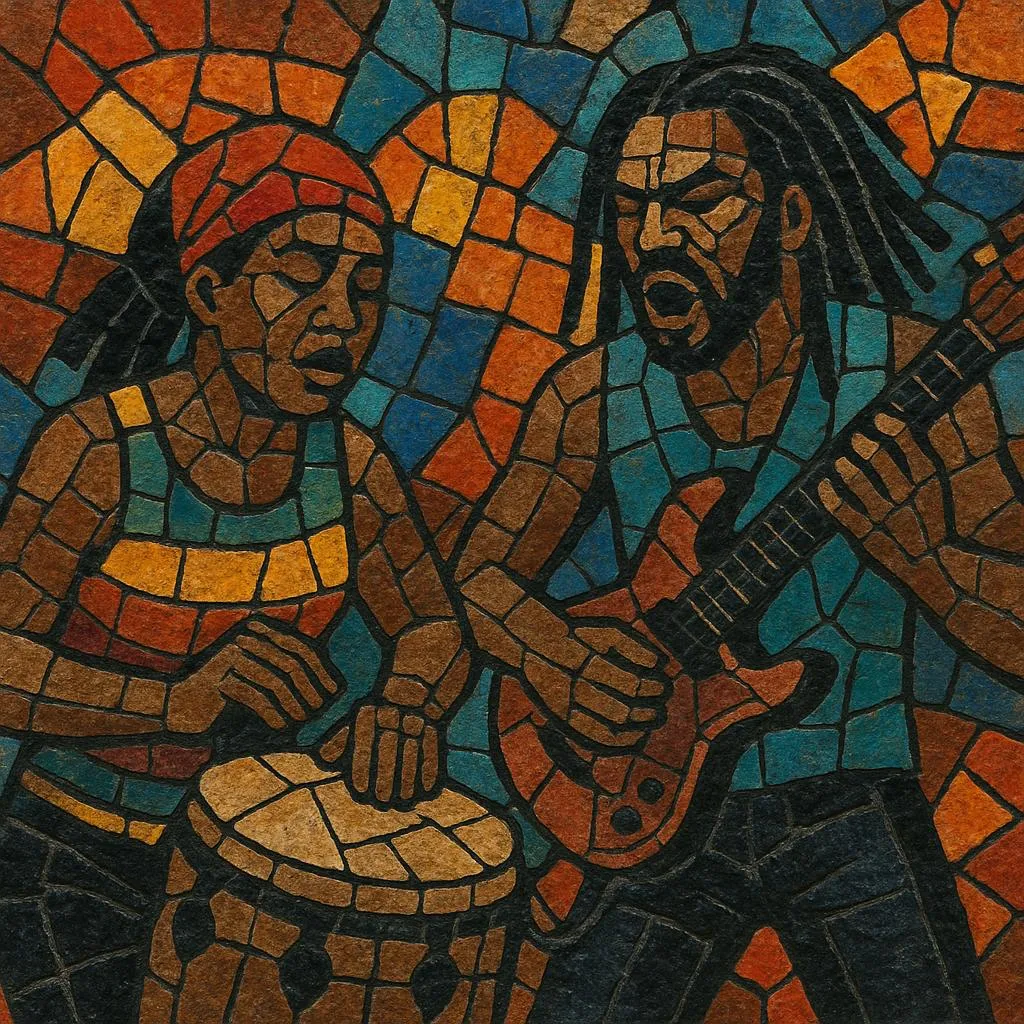
Punta rock is a modernized, electrified form of Garifuna punta that emerged in Belize in the early 1980s, pioneered by artist and painter-musician Pen Cayetano with his Turtle Shell Band. It keeps the core of traditional punta—the driving polyrhythmic drum dialogue, the turtle-shell idiophone, and call-and-response vocals—while adding electric bass, drum kit, guitar, synthesizers, and pop/rock song structures.
Songs are most commonly sung in Belizean Kriol and Garifuna, and less frequently in Spanish or English. While firmly rooted in Garifuna culture and dance, punta rock embraces Caribbean popular influences like soca, calypso, reggae, and rock, giving it a bright, high-energy, dance-oriented sound. Since the 1990s, it has flourished both in Belize and across Garifuna diasporic communities—especially among Garifuna Americans—where it serves as a cultural bridge and a contemporary party music.
History
Punta rock arose in the coastal Garifuna communities of Belize—particularly around Dangriga—where traditional punta (a social dance/music with polyrhythmic drumming, turtle-shell percussion, and call-and-response singing) thrived. Around 1979–1981, Pen Cayetano began experimenting with electrified accompaniments for punta, forming the Turtle Shell Band and developing a more amplified, youth-facing sound. This fusion—soon known as punta rock—retained the heartbeat of Garifuna drumming while adopting electric bass, drum kit, guitar, and later keyboards.
Through the 1990s, punta rock became a dominant modern dance genre in Belizean popular music. Artists expanded arrangements, tightened song forms, and borrowed hooks and production ideas from soca, calypso, reggae, and mainstream rock. Parallel to these changes, Garifuna migration helped seed scenes in the United States (especially New York and other East Coast hubs), where Garifuna American bands and solo artists performed punta rock at community events and festivals, strengthening transnational cultural ties.
As recording and video production became more accessible, punta rock singles and music videos circulated widely on Belizean radio/TV and social platforms. The genre’s visibility benefitted from tourism circuits and Central American/Caribbean festivals. Some artists blended punta rock with worldbeat aesthetics or collaborated across regional styles, while others doubled down on high-BPM party energy aimed at carnivals and clubs.
Punta rock remains a vibrant, dance-forward form that symbolizes modern Garifuna identity. It continues to evolve through new production tools, bilingual/tri-lingual songwriting (Garifuna, Kriol, English/Spanish), and crossovers with contemporary Caribbean and Latin sounds—yet its core markers (turtle-shell timbre, layered drums, and call-and-response vocals) keep it unmistakably Garifuna.