Your digging level

For this genre
0/8
🏆
Sign in, then listen to this genre to level up

Description

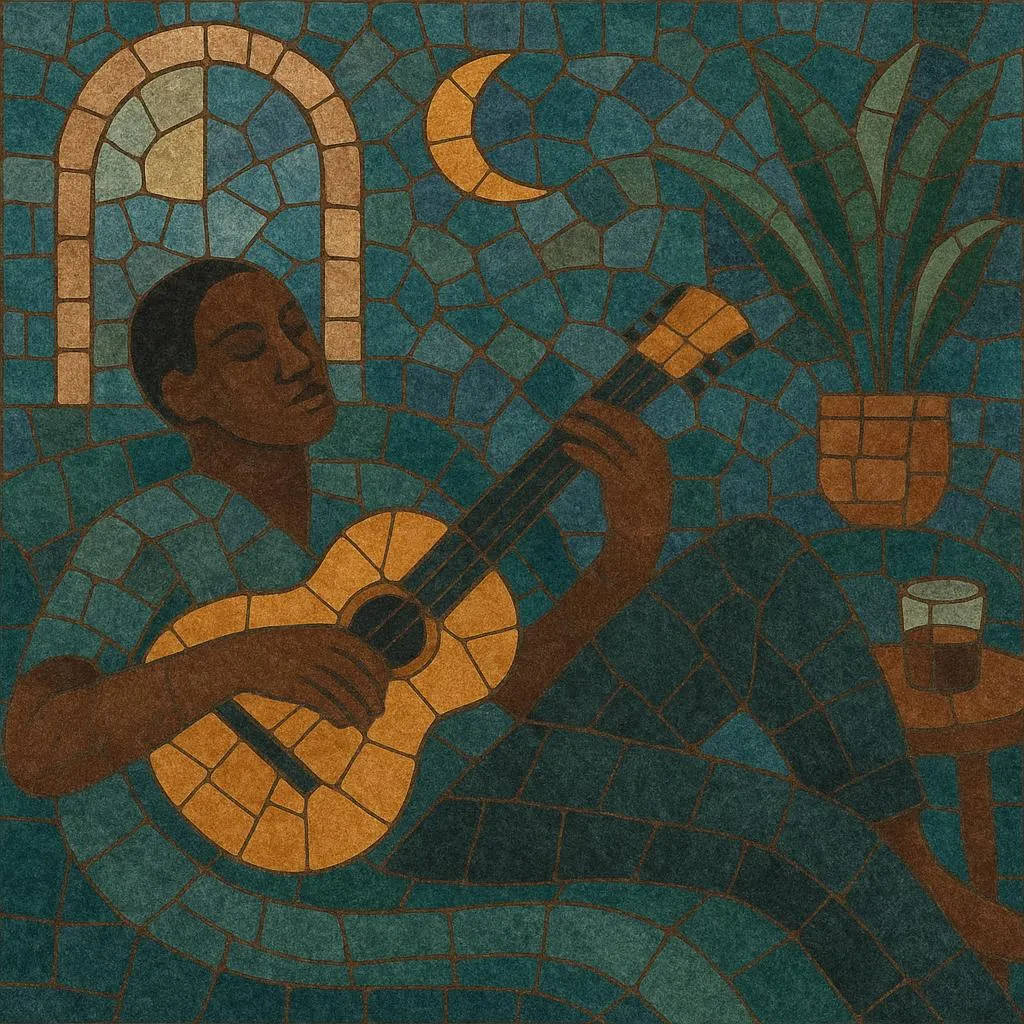
Chill lounge is a smooth, downtempo-oriented offshoot of lounge and chill-out culture that blends soft electronic production with jazz, bossa nova, Balearic, and ambient sensibilities. It favors warm timbres (Rhodes piano, nylon-string guitar, muted trumpets/sax), gentle drum programming, and understated vocals or vocal samples.

Typical tracks sit between 70–110 BPM, emphasize mood over virtuosity, and use lush extended harmonies (7ths/9ths/11ths), airy pads, and spacious reverbs/delays. The result is music suited equally to attentive late-night listening and unobtrusive background ambience in cafés, beach bars, boutique hotels, and lounges.


Sources: Spotify, Wikipedia, Discogs, Rate Your Music, MusicBrainz, and other online sources

History

Origins (early–mid 1990s)

Chill lounge emerged from the convergence of post-rave chill-out rooms, Ibiza’s sunset soundtrack culture, and the revival of mid‑century lounge aesthetics through contemporary electronics. The Balearic scene’s eclecticism encouraged fusing downtempo beats with jazz chords, bossa nova rhythms, and ambient sound design—creating music meant for decompressing after club nights and for scenic, social spaces.

Compilation era and global spread (late 1990s–2000s)

The style cohered through influential compilation series and resident DJs at Mediterranean beach bars and European lounges. Labels and curators packaged the sound for cosmopolitan listeners, codifying tropes like brushed breakbeats, Rhodes chords, and nylon‑guitar or muted‑trumpet leads. Parallel movements in Vienna, Paris, London, and Berlin (downtempo, nu jazz, trip hop) fed the sonic palette, while café and hotel brands adopted the sound as an identity signifier.

Streaming, playlists, and refinement (2010s–present)

With the rise of streaming, chill lounge flourished via mood‑focused playlists (sunset, study, spa, lounge). Producers increasingly hybridized the style with deep/organic house, lo‑fi beats, and world textures, while maintaining the genre’s core: relaxed tempos, soft dynamics, and luxurious harmonic color. The sound now spans boutique vinyl releases, curated hotel/restaurant programs, and an enormous digital ecosystem for work, relaxation, and late‑night listening.

Aesthetics and function

Beyond genre tags, chill lounge is a design‑forward music: warm, tactile, and cinematic, engineered to enhance spaces and moments without dominating them. Its musical DNA—Balearic eclecticism, jazz harmony, and ambient spaciousness—remains consistent even as production tools evolve.


How to make a track in this genre

Tempo, groove, and rhythm
•   Aim for 70–110 BPM with a laid‑back pocket. •   Use soft, humanized drum programming: lightly swung hats, brushed snares, gentle congas/bongos, and occasional shakers. •   Keep kick levels modest; prioritize a cushiony low‑end rather than club impact.
Harmony and melody
•   Favor jazz‑tinged progressions with 7ths/9ths/11ths, major 7s, and suspended/added‑tone chords. •   Common keys/modes: major with modal mixture (borrowed IVm, ♭VII), Dorian and Lydian colors. •   Craft singable, understated lead lines on Rhodes, nylon‑string guitar, muted trumpet, sax, or vibraphone.
Sound palette and instrumentation
•   Core: Rhodes/Wurlitzer, soft pads, acoustic or nylon guitars, gentle bass (electric or upright sample), light percussion. •   Supplemental: field recordings (sea breeze, café clink), vinyl/tape textures, subtle string pads, airy choirs. •   Use warm reverbs (plates/rooms) and tasteful delays; avoid harsh top‑end.
Arrangement and form
•   Keep structures simple (intro–A–B–A–outro) with textural evolution rather than big drops. •   Introduce new layers every 8–16 bars; use breakdowns to let ambience and harmony breathe. •   If using vocals, prefer breathy, intimate delivery or chopped/treated phrases as textural elements.
Production and mixing
•   Gentle bus compression with slow attack/fastish release; aim for 10–12 LUFS integrated or softer. •   Low‑shelf the kick/bass for roundness; de‑ess and smooth the upper mids. •   Use light saturation and tape emulation for cohesion; automate reverbs/delays to enhance transitions.
Idiomatic touches
•   Balearic hints: nylon‑guitar arpeggios, hand percussion, subtle flamenco/bossa flourishes. •   Nu‑jazz flavor: extended chords, brushed drum kits, walking or pedaled bass motifs. •   Ambient glue: evolving pads, nature foley, and long decay tails connecting sections.

Top tracks

Locked
Share your favorite track to unlock other users’ top tracks
Influenced by
Has influenced
Challenges
Digger Battle
Let's see who can find the best track in this genre

Download our mobile app

Get the Melodigging app and start digging for new genres on the go
© 2026 Melodigging
Melodding was created as a tribute to Every Noise at Once, which inspired us to help curious minds keep digging into music's ever-evolving genres.
Buy me a coffee for Melodigging