Your digging level

For this genre
0/8
🏆
Sign in, then listen to this genre to level up

Description

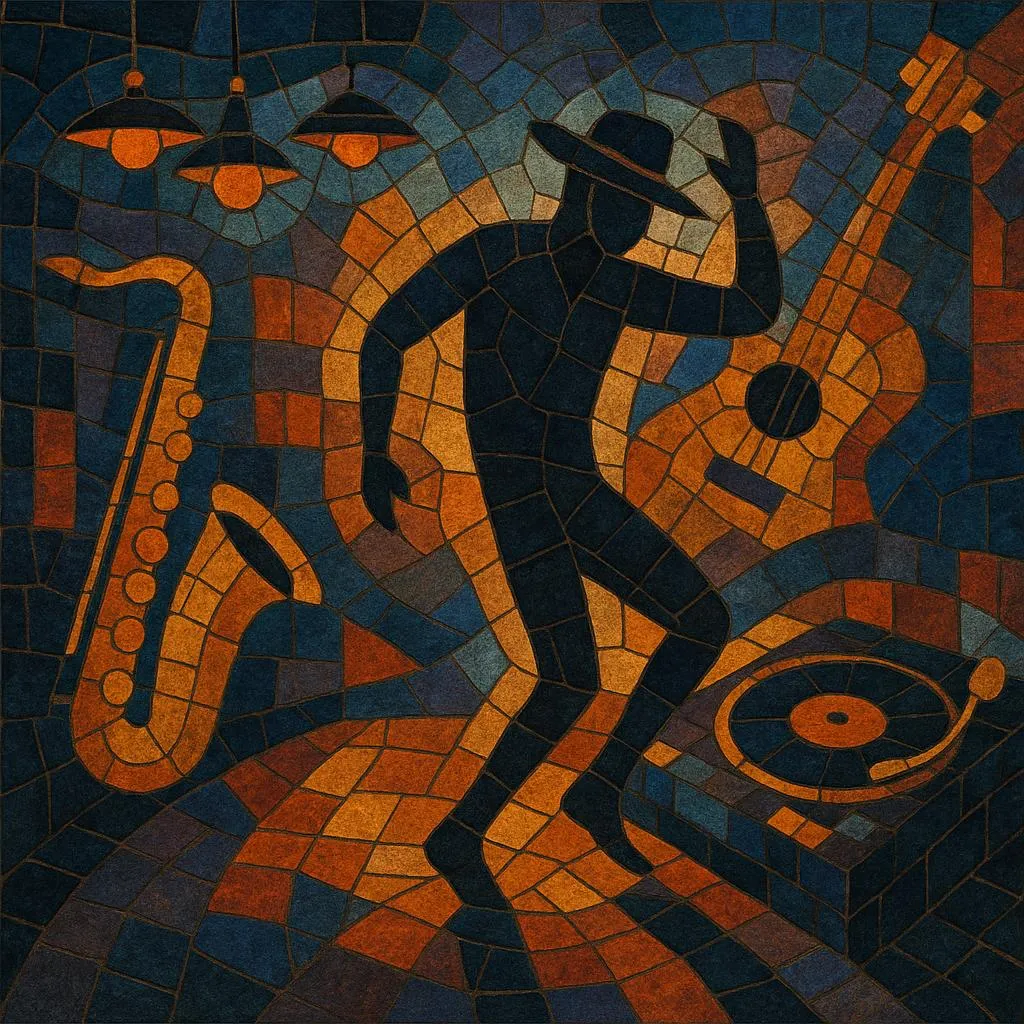
Groove room is a sleek, club-leaning micro-style at the intersection of deep house, nu-disco, and indie dance. It favors warm, rubbery basslines, syncopated percussion with a light shuffle, and silky chords or Rhodes stabs that keep the floor moving without resorting to maximal drops.

The production tends to be mid-tempo (typically 115–123 BPM) with a glossy but intimate soundstage: subtle guitar licks, filtered disco fragments, sax or flute flourishes, and breathy, soulful toplines are common. The result feels both lounge-ready and dancefloor-capable—music that can soundtrack a cocktail hour and still peak a small room at 2 a.m.

Aesthetically, groove room embraces modern house drum design and sidechained pads, but draws its melodic language from 70s/80s funk and disco, framed with indie-dance sensibility. It’s polished, ear-pleasing, and arranged to sustain a steady, hypnotic bounce.


Sources: Spotify, Wikipedia, Discogs, RYM, MB, user feedback and other online sources

History

Origins (early–mid 2010s)

Groove room coalesced in the early 2010s as deep house and nu-disco cross‑pollinated with indie dance across boutique European labels and digital storefronts. Producers emphasized supple bass grooves, understated toplines, and a chic, lounge-adjacent aesthetic—music designed for intimate spaces and late-night sets rather than main‑stage EDM.

Development and scene

By the mid‑2010s, a pan‑European network of DJs and producers—particularly around Greece, Turkey, Belgium, Russia, and Spain—refined the formula: 4/4 house foundations, disco-filter techniques, velvety Rhodes or guitar motifs, and smooth vocal hooks. Online platforms and chart categories (deep house / indie dance / nu‑disco) helped codify the sound while small clubs and beach rooms gave it a natural home.

Aesthetic traits

Hallmarks include 115–123 BPM grooves; syncopated, lightly swung hi‑hats; sidechained pads and filtered samples; warm, melodic basslines; and tasteful jazz/funk ornamentation (sax, guitar, keys). Vocals are often intimate and emotive, with lyrical themes of romance, night life, and nocturnal escapism.

Today

Groove room persists as a connoisseur’s lane between deep house cool and nu‑disco warmth. Its DNA quietly informs chill‑leaning house, pop‑house crossovers, and modern lounge compilations, remaining a reliable vibe for boutique bars, hotel rooftops, and sunset parties.

How to make a track in this genre

Tempo, groove, and drums
•   Target 115–123 BPM. •   Build a tight 4/4 kick with a soft transient and warm low‑end; add lightly swung hi‑hats and syncopated percussive taps (congas, rimshots, shakers) to create a gentle shuffle. •   Use tasteful clap/snare layers with subtle room reverb; avoid aggressive risers or festival‑style fills.
Harmony and melody
•   Favor jazzy, soulful harmony: minor keys with 7ths/9ths, Rhodes chords, or filtered disco chords. •   Compose basslines that are melodic and rubbery—syncopated, often outlining chord tones with passing notes. •   Add ear‑candy motifs: a clean guitar lick, a short sax/flute phrase, or a filtered string pad.
Sound design and texture
•   Combine analog‑style synths (Juno‑type pads, Moog‑like bass) with sampled disco/funk fragments. •   Employ sidechain compression to the kick for a gentle pump on pads and bass; use tasteful saturation and tape/console coloration. •   Keep the mix airy and intimate: high‑shelf polish on vocals/pads; tame low‑mid mud (200–400 Hz).
Vocals and lyrics
•   Opt for soft, breathy leads or duet snippets; write concise, romantic/night‑life themes. •   Use call‑and‑response ad‑libs and layered harmonies; keep hooks repetitive and understated.
Arrangement
•   DJ‑friendly intros/outros (16–32 bars), evolving mid‑arrangements via modulation of filters, auxiliary percussion, and small melodic variations. •   One or two subtle breakdowns; focus on groove continuity rather than big drops.
Mixing and mastering
•   Prioritize kick–bass translation on small club systems; carve 50–120 Hz carefully. •   Glue mix with light bus compression (slow attack, fast release), gentle high‑shelf lift, and restrained loudness to preserve dynamics.

Top tracks

Locked
Share your favorite track to unlock other users’ top tracks

Upcoming concerts

in this genre
Influenced by
Has influenced

Download our mobile app

Get the Melodigging app and start digging for new genres on the go
© 2026 Melodigging
Melodding was created as a tribute to Every Noise at Once, which inspired us to help curious minds keep digging into music's ever-evolving genres.
Buy me a coffee for Melodigging