Your digging level

For this genre
0/8
🏆
Sign in, then listen to this genre to level up

Description

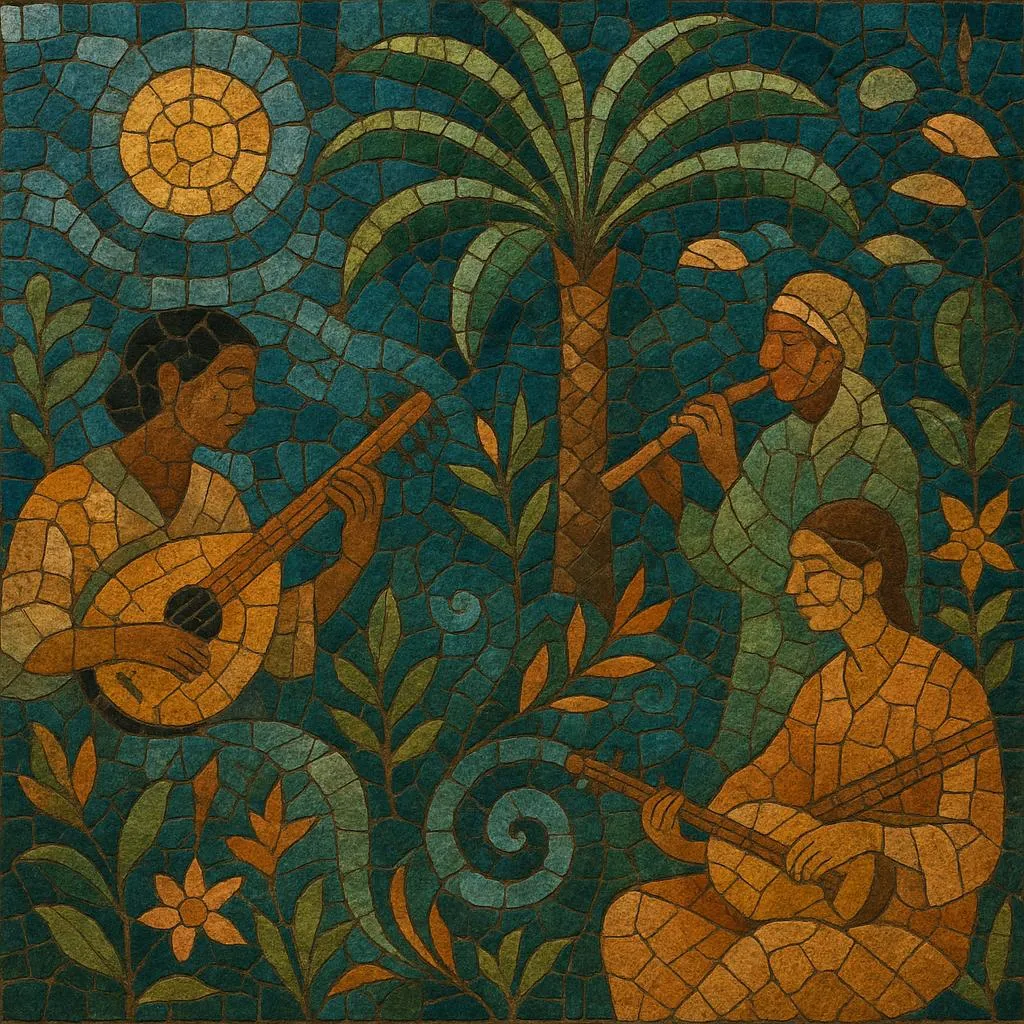
World chill is a downtempo, globally inflected branch of chillout that blends relaxed electronic production with acoustic instruments, vocal timbres, and scales drawn from diverse musical traditions (Middle Eastern, South Asian, Latin, African, East Asian, and Mediterranean).

Characterized by gentle grooves (often 75–100 BPM), warm pads, light hand percussion, and spacious reverb, it favors evocative melodies on instruments such as oud, sitar, saz, ney, bansuri, nylon-string guitar, and various frame/drum textures. Rather than being tied to a single folk tradition, it curates a cosmopolitan palette to create a serene, cinematic, and border-crossing listening experience—well-suited to lounges, late-night radio, design-forward cafes, boutique hotels, and mindful listening spaces.


Sources: Spotify, Wikipedia, Discogs, RYM, MB, user feedback and other online sources

History

Origins (1990s)

World chill coalesced in the 1990s as club culture and studio technologies made it easy to cross-pollinate ambient, chillout, and trip‑hop with timbres and rhythms from around the world. European lounge and Balearic scenes (with their relaxed after-hours ethos) incubated a taste for globally sourced textures, while compilations and boutique venues popularized a refined, downtempo “travelogue” aesthetic.

Consolidation (late 1990s–2000s)

Through the late ’90s and 2000s, compilation series, hotel/lounge residencies, and specialist labels helped standardize the sound: soft breakbeats, hand percussion, modal melodies, and airy production became hallmarks. Producers and DJs with crate-digger sensibilities embraced field recordings, archival vocals, and collaborations with traditional instrumentalists, presenting them within contemporary electronic arrangements.

Diversification and Digital Era (2010s–present)

Streaming-era curation accelerated the spread of world chill into wellness, hospitality, and study/relax contexts. Playlists and algorithmic radio broadened the style toward “organic” and “lounge house,” yoga/meditation crossovers, and tasteful pop-adjacent fusions. At its best, current world chill emphasizes respectful collaboration and high-fidelity sound design; at its worst, it can lapse into generic exotica—prompting ongoing conversations about cultural context, crediting, and ethical sampling.

How to make a track in this genre

Core Feel and Tempo
•   Aim for 75–100 BPM with a laid‑back pocket; use swung or lightly syncopated trip‑hop/downtempo grooves. •   Keep dynamics gentle and the transient profile smooth; avoid aggressive compression or harsh highs.
Instrumentation and Timbre
•   Electronic bed: soft pads, analog‑style bass, subtle arps, tape‑like delays, vinyl or field ambience. •   Global/acoustic colors: oud/saz/sitar/nylon guitar, ney/bansuri/shakuhachi, hand percussion (tabla, darbuka, frame drum, cajón), small bells/shakers. •   Record or source high‑quality multisamples; layer close‑mic detail with room reverb for space.
Harmony and Melody
•   Favor modal writing (Dorian, Phrygian, Hijaz/Maqam‑inspired tetrachords, pentatonics); keep chord progressions sparse (I–VII, i–bVII–bVI) to leave room for timbre. •   Use call‑and‑response between a lead instrument (e.g., ney) and short vocal phrases or guitar motifs.
Rhythm and Groove Design
•   Build grooves from a light kick, soft snare/rim, brushed hats, and hand percussion loops that introduce regional flavor without crowding the mix. •   Accent off‑beats subtly; ghost notes and brushed textures help the beat breathe.
Arrangement and Space
•   Intro with atmospheres or drones → establish groove → introduce featured instrument or voice → mid‑section variation (filter, breakdown, or new counter‑melody) → unhurried outro. •   Prioritize spacious mixes: generous but controlled reverbs (plate/hall), tempo‑synced delays, gentle stereo widening.
Vocals and Sampling
•   If using traditional vocals or archival material, clear rights and credit sources; better yet, collaborate directly with culture‑bearers. •   Process vocals with light saturation, delays, and airy verbs; avoid tuning artifacts that break the organic feel.
Production Ethics and Aesthetics
•   Treat cultural elements with respect: understand context, name instruments/performers, and share royalties appropriately. •   Aim for warmth and tactility (subtle tape/console coloration), minimal loudness war; let serenity and texture carry the track.

Top tracks

Locked
Share your favorite track to unlock other users’ top tracks

Upcoming concerts

in this genre
Influenced by
Has influenced

Download our mobile app

Get the Melodigging app and start digging for new genres on the go
© 2026 Melodigging
Melodding was created as a tribute to Every Noise at Once, which inspired us to help curious minds keep digging into music's ever-evolving genres.
Buy me a coffee for Melodigging