Your digging level
Description
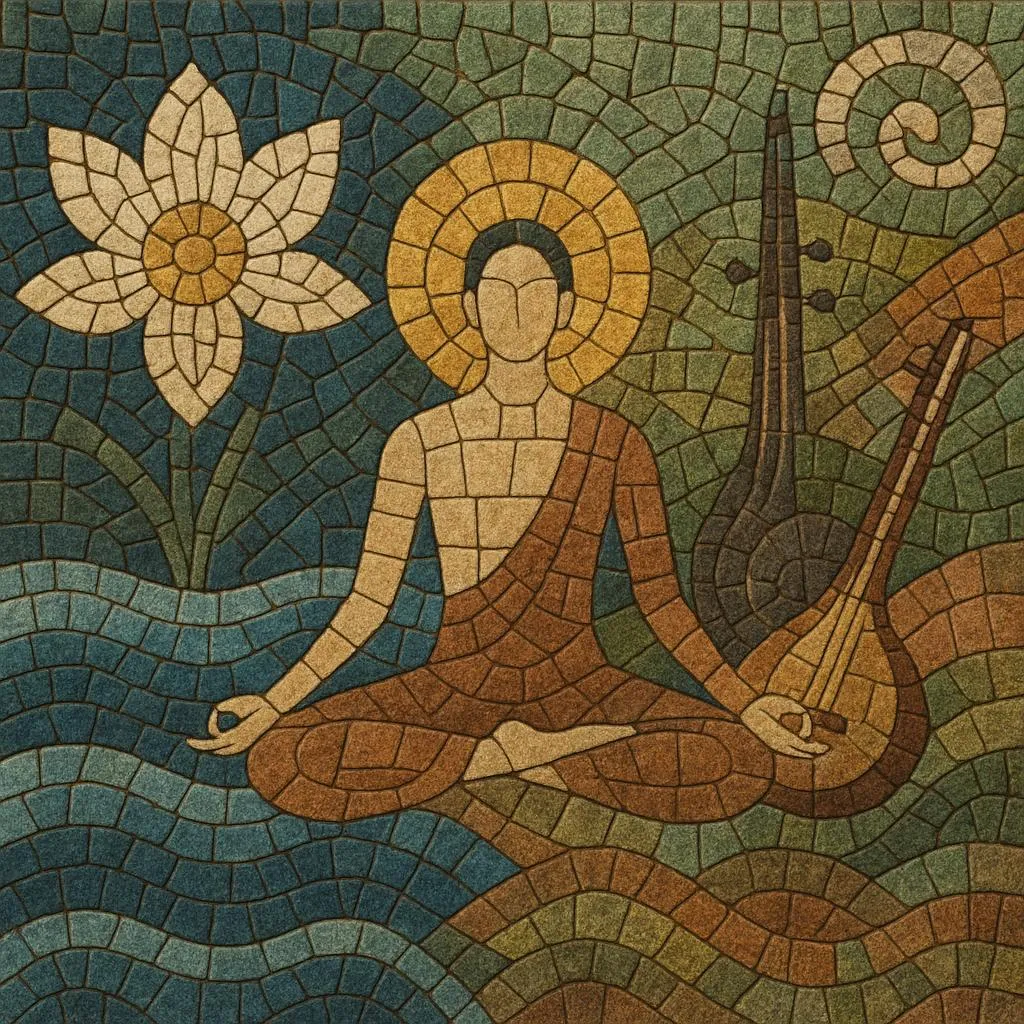
Yoga music is a contemplative, breath-paced style designed to support yoga asana, pranayama, and meditation practice.
It blends ambient textures and New Age timbres with South Asian devotional and classical elements such as tanpura drones, ragas, kirtan (call‑and‑response chanting), and bhajan (devotional song). Tempos are typically slow and steady to align with breathing cycles, and arrangements emphasize spaciousness, soft dynamics, and unobtrusive rhythms so the music can sit beneath movement or stillness.
While rooted in Indian spiritual and musical traditions, yoga music has evolved globally, incorporating world‑fusion instrumentation, gentle electronic production, and mantra‑based vocals to create a soothing, focused environment.
History
The practice of using music alongside yoga draws on the deep lineage of Indian devotional and classical traditions, including kirtan, bhajan, and raga‑based performance. In the West, early adopters in the 1960s–70s counterculture paired yoga with drones, sitar/bansuri timbres, and emerging New Age aesthetics. By the 1980s, the rise of ambient and New Age labels normalized instrumental, slow‑tempo, meditative albums used in classes and home practice.
As yoga studios proliferated globally in the 1990s–2000s, a recognizable “yoga music” marketplace formed. Artists blended Sanskrit mantras with contemporary production, creating accessible kirtan‑influenced songs and long‑form ambient pieces for vinyasa, yin, and restorative classes. World‑fusion ensembles and producers integrated tanpura drones, harmonium, bansuri, hand percussion, and gentle electronic pads, standardizing a sound palette that balanced tradition with modern wellness aesthetics.
Playlists and functional curation (e.g., “yin flow,” “pranayama,” “meditation”) shaped the genre’s contours in the streaming era. Production trends emphasize minimalism, extended sustains, soft transients, and consistent dynamics to reduce distraction. Simultaneously, global kirtan communities and mantra‑pop broadened the vocal side of the genre. Yoga music now overlaps with mindfulness, spa, and healing music, while ongoing discussion addresses respectful use of South Asian traditions and the importance of cultural context and crediting.
Across its history, yoga music remains purpose‑built: it supports breath regulation, focus, and a calm nervous system. The most enduring traits are slow to moderate tempos, drone‑based harmony (often raga‑informed), subdued percussion, and a spacious, warm mix that invites sustained attention rather than spectacle.