

Your digging level
For this genre
0/8
🏆
Sign in, then listen to this genre to level up
Description
Indian classical music (Shastriya Sangeet / Mārga Sangeet) is the art-music tradition of the Indian subcontinent, organized around melodic frameworks called raga and cyclical meters called tala.
It has two major streams: Hindustani music in the North, which foregrounds extended improvisation and raga exploration, and Carnatic music in the South, which is composition-centric with structured but highly sophisticated improvisation.
A related eastern tradition is Odissi (from present-day Odisha), whose classical lineage spans roughly two millennia. Despite regional distinctions, these systems share common theoretical roots, performance aesthetics, and a spiritual-philosophical view of music as a vehicle for rasa (embodied aesthetic emotion).
History
Origins and Theory
• The foundations lie in ancient chant and treatise traditions (e.g., Vedic chant and Natya Shastra), which set early ideas of pitch, tonal organization, and aesthetics (rasa).
• A major theoretical watershed was the 13th‑century Sangita Ratnakara by Sharngadeva, the last great text shared by North and South before regional distinctions solidified.
Medieval to Early Modern Consolidation
• Temple, court, and devotional contexts shaped practice: prabandha and dhrupad lineages in the North; kriti-based forms in the South.
• The Bhakti movement infused devotional poetics and performance; in North India, interactions with Persianate courts introduced instruments (e.g., sitar, sarod) and ornamentation that helped catalyze Hindustani idioms.
Divergence of Traditions
• Hindustani music (North) emphasized expansive, time-of-day–linked raga performance with long alap (non-metrical unfolding), followed by metered sections and virtuosic tans/layakari; khayal rose to prominence in the 18th century.
• Carnatic music (South) coalesced around the kriti and the work of the “Trinity” (Tyagaraja, Muthuswami Dikshitar, Syama Sastri) in the 18th–19th centuries, codifying raga–tala systems and improvisational modules (alapana, niraval, kalpanaswara).
• In the East, Odissi maintained its own classical corpus and distinctive raga/tala usages linked to dance and temple traditions.
20th Century to Global Reach
• Recording, radio (All India Radio), and national cultural institutions professionalized pedagogy beyond the guru–shishya parampara while preserving it.
• From the mid‑20th century, Indian classical gained global prominence through virtuosic touring artists and crossovers, inspiring Indo‑jazz fusions and raga-inflected rock.
Contemporary Practice
• Today the canon thrives across concert halls, sabhas, and festivals in India and abroad. Conservatories and universities coexist with traditional lineages. New commissions, jugalbandis (cross‑style duets), and innovations in accompaniment and technology continue to refresh a tradition that remains grounded in raga, tala, and the pursuit of aesthetic rasa.
Core Materials: Raga and Tala
• Choose a raga (melodic framework) with its ascent/descent (arohana/avarohana), key tones (vadi–samvadi), characteristic phrases (pakad), permissible ornaments (gamakas), and time/rasa associations.
• Select a tala (rhythmic cycle), e.g., Tintal (16), Rupak (7), Jhaptal (10) in Hindustani; Adi (8), Rupaka (6), Misra Chapu (7) in Carnatic. Internalize claps/waves (Hindustani) or aksharas/eduppu (Carnatic) and the sam/eduppu (arrival) point.
Form and Flow
• Hindustani instrumental: Alap (non‑metric exposition) → Jor (pulse) → Jhala (rapid drone‑string interplay) → Gat/Bandish in tala with improvisation (taans, bol‑baant, layakari). Vocal khayal often alternates vilambit (slow) and drut (fast) bandishes.
• Dhrupad: Long alap with microtonal intonation (meend), followed by metered compositions in chautal or dhamar with austere, powerful delivery.
• Carnatic: Present a kriti (pallavi–anupallavi–charanam), interleaving improvisations—Raga Alapana (unmetered), Niraval (melodic–rhythmic improvisation over a lyric line), and Kalpana Swaras (solfège patterns). In advanced concerts, include a Ragam–Tanam–Pallavi centerpiece and a tani avartanam (percussion solo).
Instrumentation and Timbre
• Drone (tanpura or shruti box) is essential for intonation.
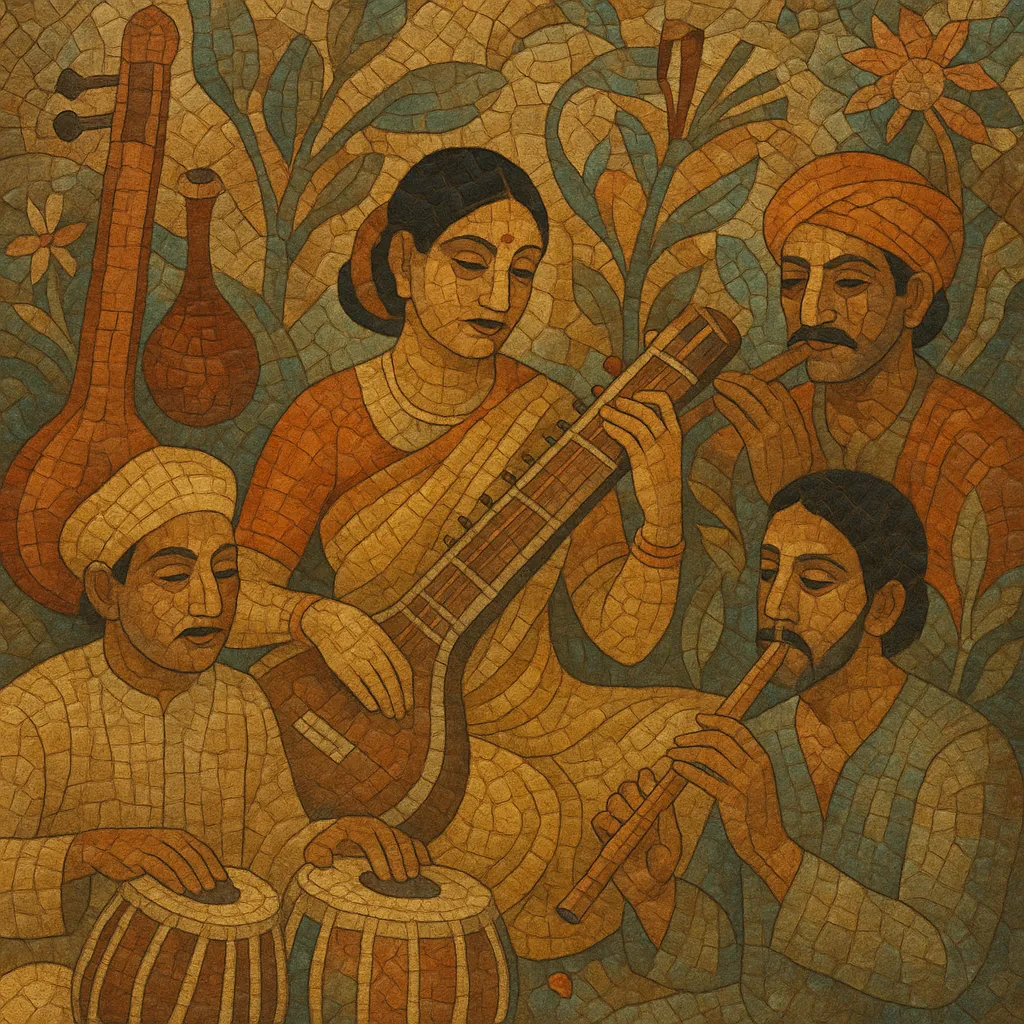
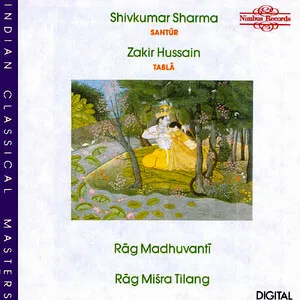
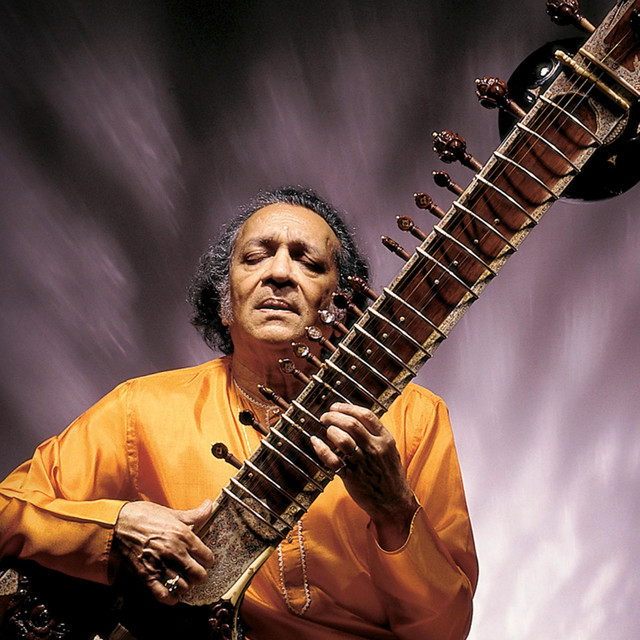
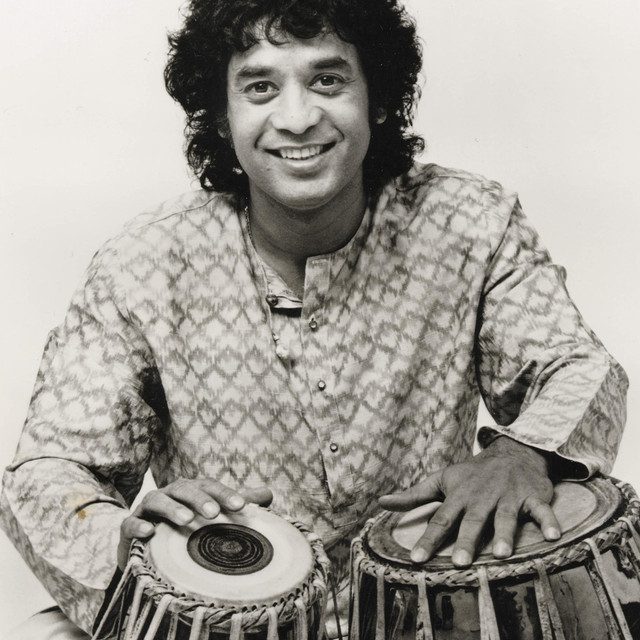
• Hindustani: sitar, sarod, sarangi, bansuri, santoor; tabla for percussion.
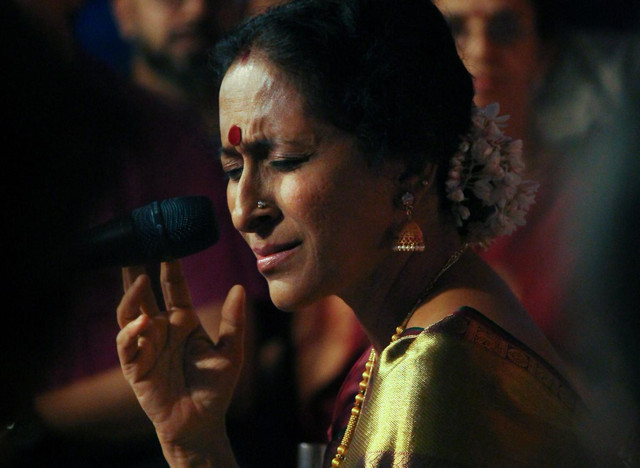
• Carnatic: voice with violin, veena, flute; mridangam as primary percussion, along with ghatam, kanjira, morsing.
Ornamentation, Intonation, and Rhythm Craft
• Employ raga‑specific gamakas/meends and precise shruti (microtonal) placement; avoid alien notes outside raga grammar except in sanctioned prayogas.
• Shape improvisation with contour logic: develop phrases from the raga’s signature motifs; balance tension/release against tala landmarks (e.g., cadence into sam/eduppu).
• Practice rhythmic creativity (layakari/kanakku): cross‑rhythms, mora/korvai cadences, and calculated arithmetic endings that resolve perfectly on the focal beat.
Compositional Tips
• Compose bandish/kriti lyrics with clear prosody and bhava (emotion), aligning syllabic stress to tala structure.
• Plan a performance arc: serene opening, architectural development, climactic virtuosity, and a graceful denouement (e.g., thumri/tarana or light pieces in Hindustani; tukda, tillana, bhajan in Carnatic).
• Maintain riyaz (daily practice): slow intonation drills, phrase looping, tala recitation (konnakol/bols), and call‑and‑response with percussion to refine timing and feel.

Top albums
Best playlists
Top tracks
Locked
Share your favorite track to unlock other users’ top tracks



Upcoming concerts
in this genre
