Your digging level
Description
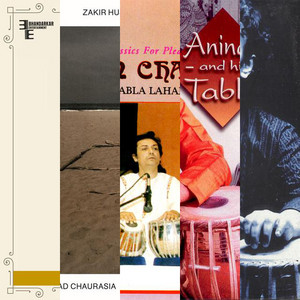
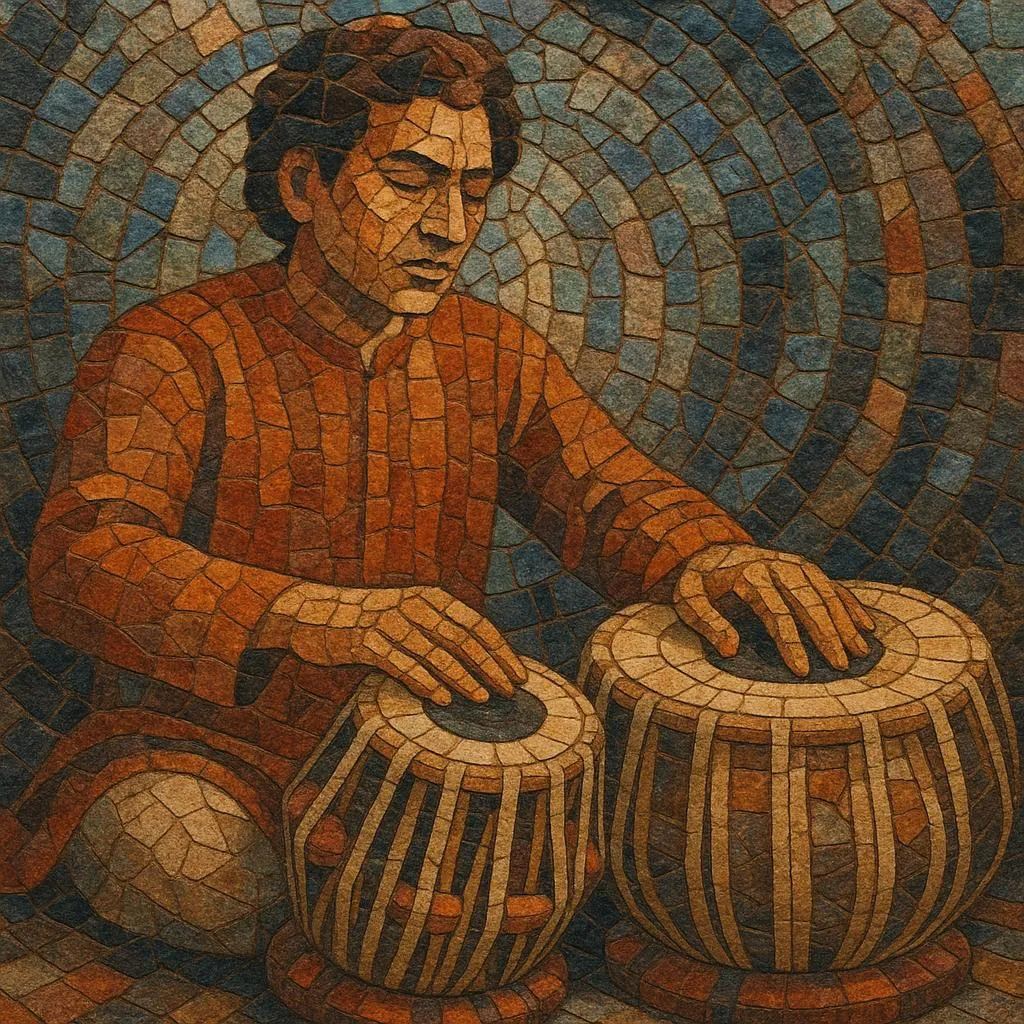
Tabla is a North Indian hand-drum tradition and performance practice centered on a pair of tuned drums: the treble dayan (tabla) and the bass bayan. It serves both as a solo art and as the principal rhythmic accompaniment in Hindustani classical, light-classical, and many popular and devotional styles.
The music of tabla is encoded in a spoken mnemonic language called bols (e.g., "dha dhin na tin ta ge ke"), organized into cyclic meters (tāl) such as Teentāl (16 beats), Jhaptāl (10), Rupak (7), Ektāl (12), and Deepchandi (14). Performers elaborate the basic groove (thekā) through composed forms—peshkār, qāyda/kāydā, relā, gats, tukrā, and chakradār—and through improvisation and cadential tihais. Distinct stylistic lineages (gharanas)—Delhi, Ajrada, Lucknow, Farrukhabad, Benares (Banaras), and Punjab—shape technique, repertoire, tone production, and aesthetic priorities.
Beyond the concert stage, tabla’s timbre and vocabulary have permeated film scores, ghazal and thumri salons, Sufi ensembles, Indian pop, and global fusion, making it one of the world’s most recognizable percussion traditions.
History
Most scholarship places the emergence of tabla in North India during the 18th century, likely in Mughal/late-Mughal courts (Delhi–Awadh region). The instrument’s split-drum construction and nuanced finger technique evolved alongside Hindustani vocal forms (especially khayal) and Kathak dance accompaniment, supplanting the barrel drum pakhāwaj for many contexts. While popular lore attributes its invention to the medieval poet-musician Amir Khusrau, material and documentary evidence points to a later origin.
By the 19th century, regional lineages (gharanas) crystallized—Delhi and Ajrada emphasized clarity of bols and symmetrical architecture; Lucknow and Farrukhabad cultivated lyrical, dance-derived repertoire; Benares favored powerful bayan strokes and dramatic tihais; Punjab incorporated pakhawaj-inspired compositions and open-handed technique. Oral pedagogy (guru–shishya paramparā) codified a shared grammar: thekā (basic groove), compositional families (peshkār, qāyda, relā, gats), and performance arc from ālāp-like exploration to climactic chakradār cadences.
All India Radio, rising concert institutions, and recording technologies expanded tabla’s presence. The instrument became central to film music and to light-classical genres (ghazal, thumri), as well as Sufi qawwali and devotional bhajan/kirtan. Virtuosos such as Ahmed Jan Thirakwa, Alla Rakha, Kishan Maharaj, Samta Prasad, and later Zakir Hussain brought unprecedented solo visibility and international tours.
From the 1970s, collaborations with jazz, rock, and world music (e.g., Shakti, Indo-jazz projects) showcased tabla’s polyrhythmic potential. In diasporic scenes, Asian Underground and broader electronica sampled tabla timbres and cyclic logics. Today, conservatories, online pedagogy, and cross-genre production sustain a living tradition that balances gharana identities with creative hybridity.