Your digging level
Description
Healing music is a functional genre composed with the specific intention of inducing relaxation, reducing stress, and promoting physical, emotional, or spiritual well-being. It is characterized by slow tempos that often match the human heart rate, consistent and repetitive rhythms (or a complete lack of rhythm), and consonant harmonies that avoid tension. The soundscape typically features soft, acoustic instruments like flutes, harps, and singing bowls, often blended with atmospheric synthesizer pads and nature sounds. Modern iterations frequently incorporate specific frequencies, such as binaural beats or Solfeggio frequencies (e.g., 432 Hz, 528 Hz), believed to have therapeutic properties.

History
The roots of healing music trace back to ancient civilizations, including Greece, Egypt, India, and China, where sound was considered a bridge between the physical and spiritual realms. Greek philosophers like Pythagoras prescribed musical modes to cure ailments, while Indigenous cultures utilized drumming and chanting in shamanic healing rituals.
The formal profession of Music Therapy began to take shape after World War I and II, as musicians played for veterans suffering from physical and emotional trauma. However, the commercial genre of "Healing Music" began to coalesce in the late 1960s and 1970s.
In 1975, Steven Halpern released Spectrum Suite, a seminal work that eschewed traditional Western harmonic tension in favor of non-linear, relaxing structures, effectively birthing the modern healing music genre. Simultaneously, Brian Eno's development of Ambient music provided a sonic template for functional, atmospheric listening.
With the advent of digital streaming, healing music exploded in popularity as a functional tool for sleep, focus, and anxiety relief. Modern producers increasingly rely on psychoacoustic research, incorporating binaural beats, isochronic tones, and specific tuning standards like 432 Hz to target brainwave states.
Maintain a slow tempo, typically between 60-80 BPM to synchronize with a resting heart rate, or use a free-flowing, beatless structure. Avoid jarring percussive elements; if rhythm is present, it should be gentle, repetitive, and predictable to induce a trance-like state.
Use consonant harmonies and major or pentatonic scales that resolve naturally without creating tension. Melodies should be simple, wandering, and repetitive, avoiding complex progressions that engage the analytical mind. Drones and sustained pedal points are effective for grounding the track.
Select instruments with soft attacks and long decays, such as alto flutes, harps, acoustic guitars, and singing bowls. Layer these with warm synthesizer pads to fill the frequency spectrum. Incorporating high-quality field recordings of nature (water, wind, birds) can enhance the organic, soothing quality.
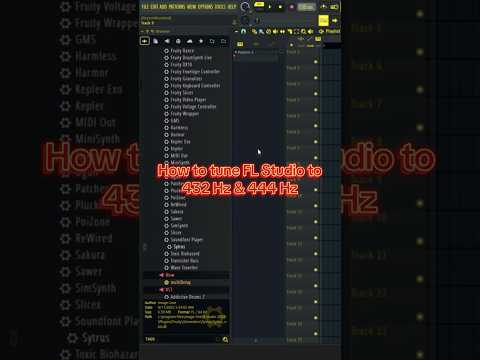
Consider tuning your instruments to A=432 Hz instead of the standard A=440 Hz, as many proponents believe this pitch is more mathematically consistent with the universe. You may also layer in binaural beats (requiring headphones) or specific Solfeggio frequencies to target specific mental states like deep sleep (Delta waves) or relaxation (Theta waves).




Best playlists