Your digging level
Description
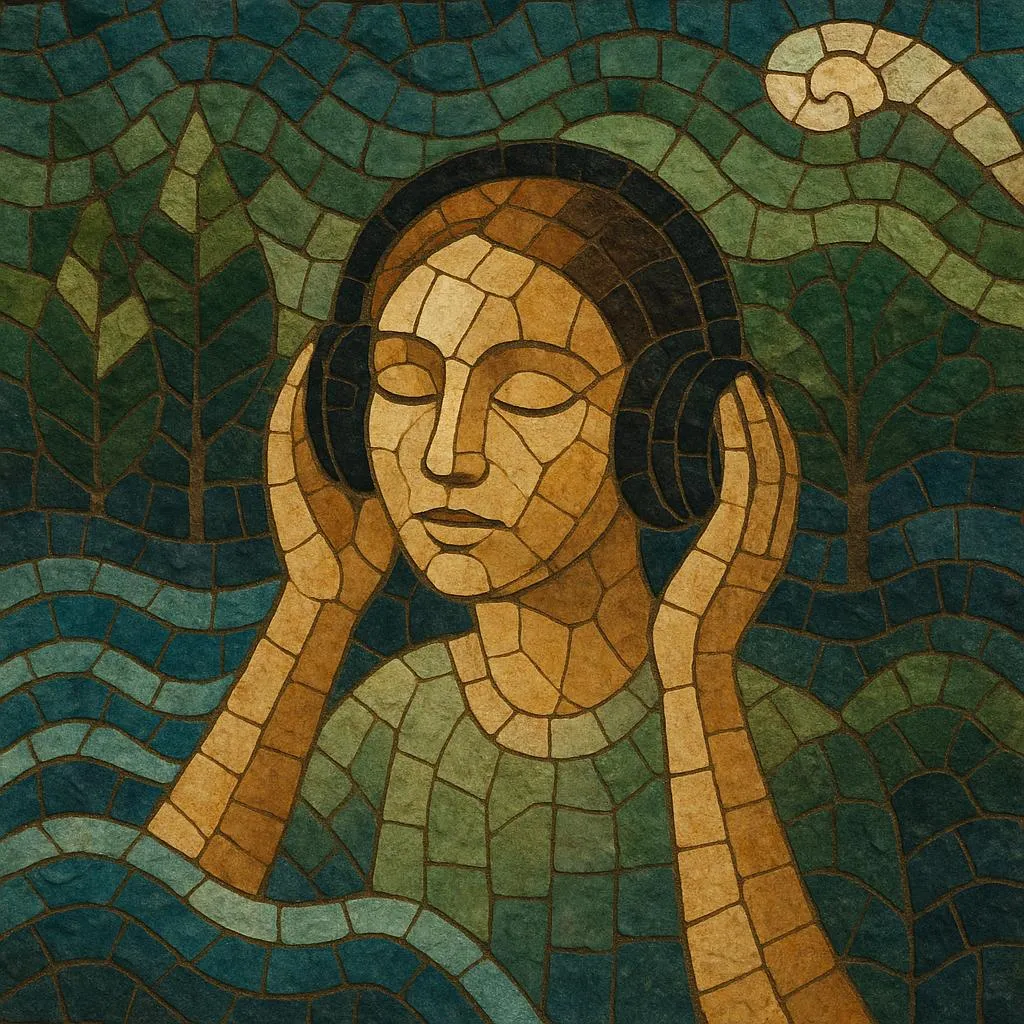
Therapy music, often referred to as healing music or therapeutic music, is a functional genre composed specifically to support physical, emotional, and cognitive well-being.
Unlike clinical music therapy which involves a therapist-client relationship, this genre consists of recorded music designed to induce relaxation, reduce stress, alleviate pain, and promote sleep.
Musically, it is characterized by slow tempos that match the resting heart rate, consonant harmonies, sustained tones, and the incorporation of nature sounds or specific frequencies believed to have healing properties.
History
The concept of music as medicine dates back to antiquity. In Ancient Greece, Apollo was the god of both music and healing, and philosophers like Plato and Aristotle wrote about music's ability to affect the soul and character. Indigenous cultures worldwide have long used drumming, chanting, and singing in shamanic healing rituals to alter consciousness and treat ailments.
The modern profession of Music Therapy emerged in the 1940s following World War II, as musicians played for veterans in hospitals to help with shell shock (PTSD) and physical rehabilitation. This led to the formalization of music therapy as a clinical discipline with academic training and accreditation.
As a distinct commercial music genre, therapy music solidified in the 1970s. Pioneers like Steven Halpern began releasing music specifically composed to avoid the "fight or flight" response triggered by traditional musical tension. His album Spectrum Suite (1975) utilized specific frequencies and open structures to cultivate relaxation. Simultaneously, Brian Eno developed "Ambient" music, designed to be ignorable as well as interesting, creating a sonic environment for calm.
In the 21st century, the genre has integrated findings from neuroscience. Artists like Marconi Union collaborated with sound therapists to create tracks like "Weightless," scientifically designed to lower heart rate and cortisol levels. The genre now encompasses binaural beats, solfeggio frequencies (like 432 Hz and 528 Hz), and AI-generated soundscapes for focus and sleep.
Maintain a slow tempo, typically between 60 and 80 BPM (beats per minute) or slower, to encourage entrainment with the listener's resting heart rate.
Avoid sudden rhythmic changes or jarring percussive elements. A free-flowing, non-metric structure (rubato) often works best to prevent the listener from anticipating the next beat.
Use consonant, major, or modal harmonies that resolve gently. Avoid dissonance and unresolved tension that might trigger anxiety.
Melodies should be simple, repetitive, and drifting rather than catchy or complex, allowing the mind to wander without focusing on a narrative hook.
Select instruments with soft, warm attacks and long decays, such as flutes, harps, acoustic guitars, pianos, and string ensembles.
Synthesizers with "pad" sounds and singing bowls are common. Incorporating nature sounds (rain, ocean waves, birdsong) can ground the listener and mask distracting background noise.
Consider tuning instruments to 432 Hz (often cited as a more "natural" pitch) or incorporating binaural beats (two slightly different frequencies played in each ear) to encourage specific brainwave states like Theta (relaxation) or Delta (sleep).
Ensure the mix is balanced and warm, avoiding harsh high frequencies.