Your digging level
Description
528hz is a relaxation- and wellness-oriented microgenre built around sustained exposure to a tone centered at 528 hertz, often marketed as the “love frequency.”
Musically, it borrows from ambient and New Age aesthetics: long drones, soft synth pads, Tibetan/metal bowls, gentle bells and chimes, and nature soundscapes (rain, wind, streams, birds). Tracks are typically beatless or use extremely slow, subtle pulses; form is long, static, and meditative.
Beyond aesthetics, 528hz recordings are circulated with wellness claims (e.g., emotional balancing or even “DNA repair”). These claims are popular in online wellness communities but remain scientifically unverified; the music functions effectively as calming ambient sound regardless of metaphysical narratives.


History
The idea of specific “Solfeggio” frequencies rose to prominence in late‑1990s New Age and sound‑healing circles. Within that discourse, 528 Hz was framed as a special tone linked to themes of love, harmony, and restoration. Musically, practitioners drew on established ambient and New Age practices—slow drones, pads, and nature recordings—to create extended listening environments centered on the 528 Hz pitch.
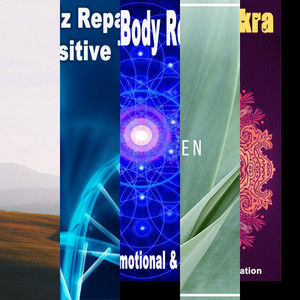
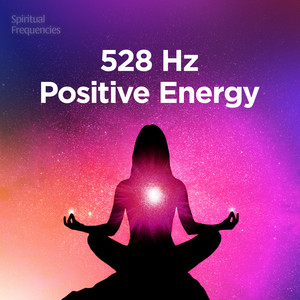
With the growth of streaming and video platforms in the 2010s, searchable titles (e.g., “528 Hz sleep,” “528 Hz meditation,” “528 Hz healing”) helped the format reach vast audiences seeking relaxation, mindfulness, and sleep aids. Producers and channels standardized visual branding (mandalas, chakras, green/gold palettes) and track lengths (often 30–180 minutes) to optimize continuous listening.
By the late 2010s, 528hz had coalesced into a recognizable sound: long, beatless sound beds; minimal harmonic movement; very slow fades and evolutions; occasional layered overtone instruments (bowls, singing bowls, wind chimes); and light spatial effects (reverb, delay) to enlarge a sense of space and calm.
While many listeners report subjective relaxation and mood benefits, extraordinary claims (e.g., “cellular repair,” “DNA tuning”) remain outside mainstream scientific evidence. In practice, 528hz functions effectively as meditative ambient music, where its utility—calming, masking noise, supporting breath practices—does not depend on metaphysical frameworks.
Today 528hz sits alongside related wellness categories (432 Hz, binaural beats, chakra music) and is incorporated into sleep channels, yoga playlists, and mindfulness apps. The format continues to evolve through higher‑fidelity production, spatial audio, and hybridizations with gentle acoustic instruments and electro‑acoustic drones.