Your digging level
Description
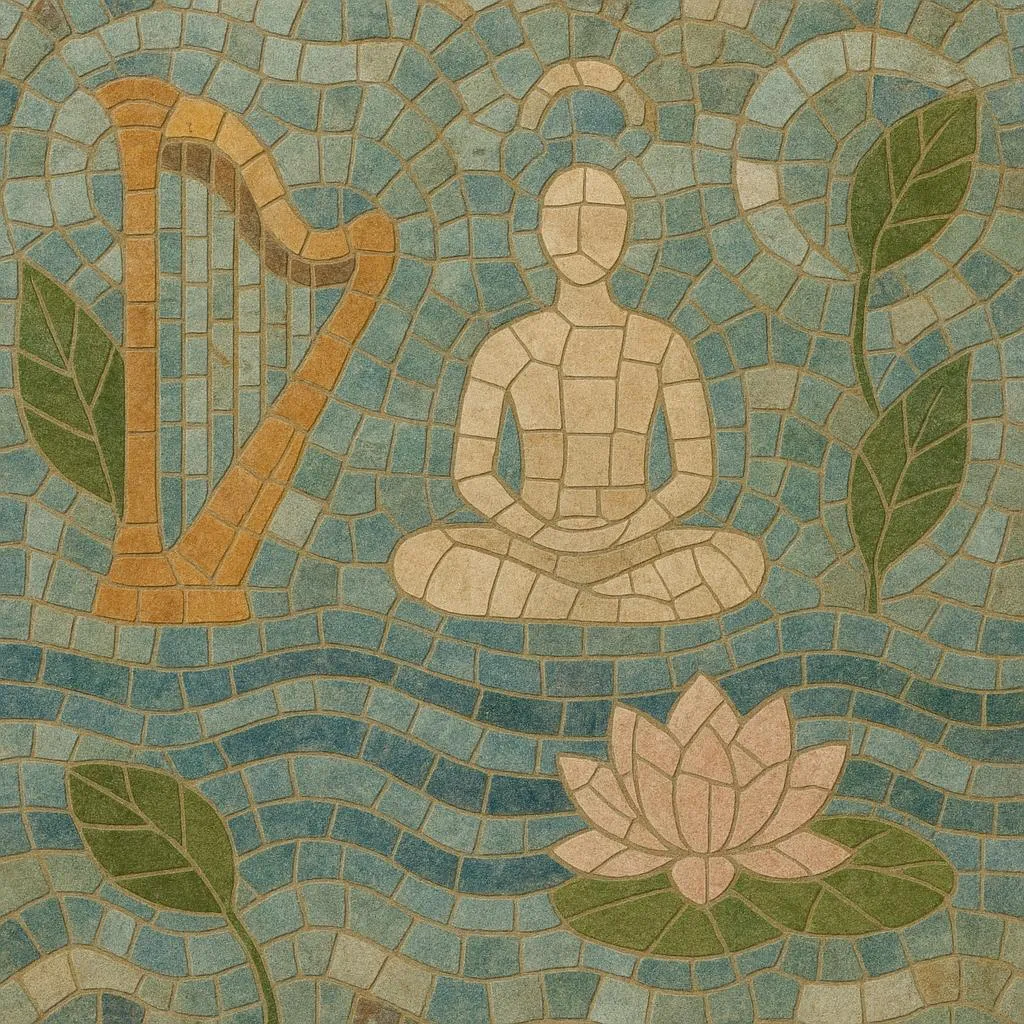
Spa is a functional, relaxation‑focused style that blends ambient, new age, and soft instrumental music with nature recordings to create a soothing, restorative atmosphere.
Developed alongside the rise of wellness culture and contemporary day spas, it favors slow tempi or beatless textures, warm pads, gentle acoustic instruments (harp, flute, piano, guitar), long reverbs, and unobtrusive harmonies. Tracks are designed to be non‑intrusive, loopable, and calming, supporting massage, hydrotherapy, meditation, and light movement practices.
While it borrows color from various world and devotional traditions, the core aesthetic is consistent: comfort, softness, environmental spaciousness, and stress reduction.
History
The spa genre coalesced in the 1980s as modern day spas and holistic wellness centers sought music that was calm, continuous, and unobtrusive. New age artists and ambient producers provided the blueprint: long drones, consonant harmonies, and environmental recordings (water, birds, wind) that fostered relaxation and bodywork.
During the 1990s and 2000s, spa compilations and specialty labels expanded the sound palette—adding soft world‑influenced timbres (shakuhachi, bansuri, hand percussion), smooth‑jazz inflections, and minimalist piano or harp. Music retailers, yoga studios, and massage therapy schools normalized the style as a practical tool for stress reduction and therapy.
With streaming and playlist culture, spa music became a vast functional category. Producers optimized mixes for low listening fatigue (gentle EQ, minimal transients, slow dynamics) and created long‑form tracks for uninterrupted sessions. Sub‑niches (sleep, mindfulness, focus, sound‑bath) flourished, and the genre’s production standards—soft edges, slow evolution, and nature‑augmented ambience—became template aesthetics across wellness audio.