

Your digging level
For this genre
0/8
🏆
Sign in, then listen to this genre to level up
Description
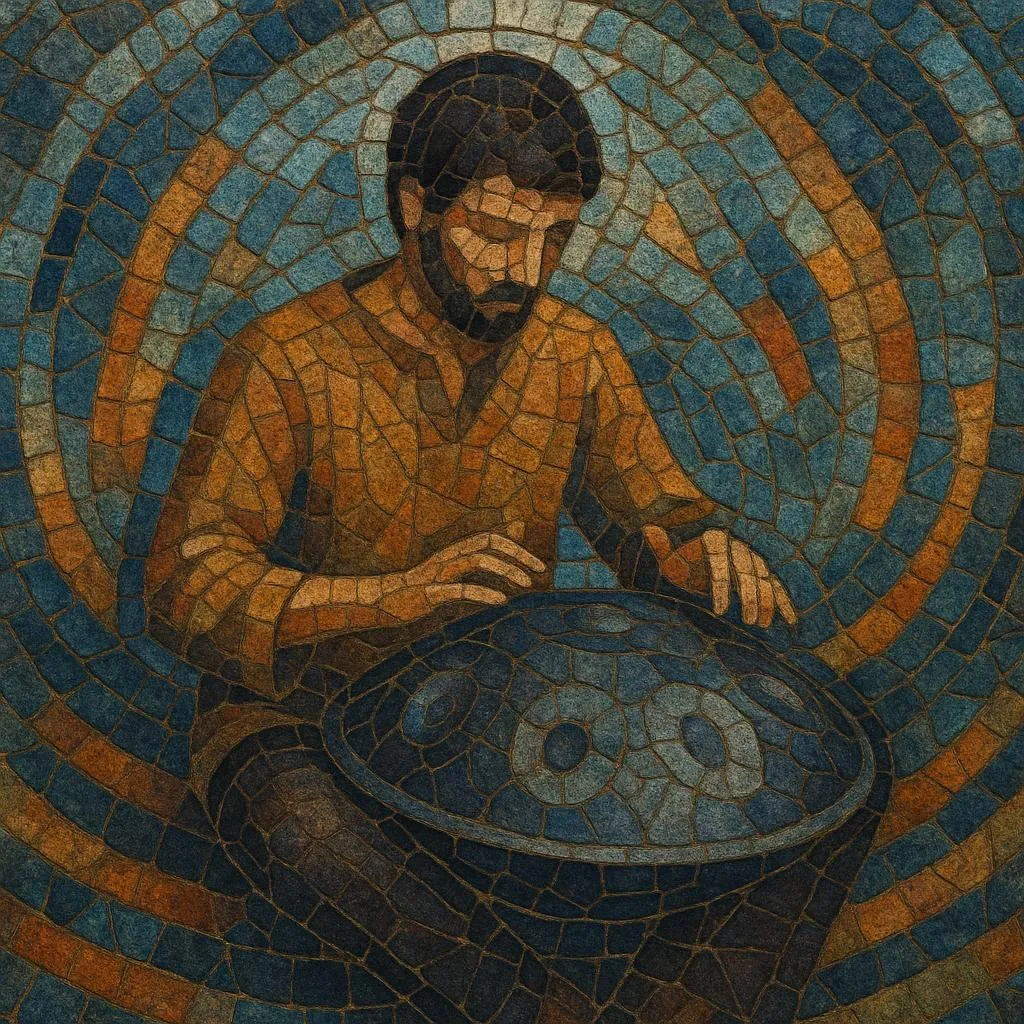
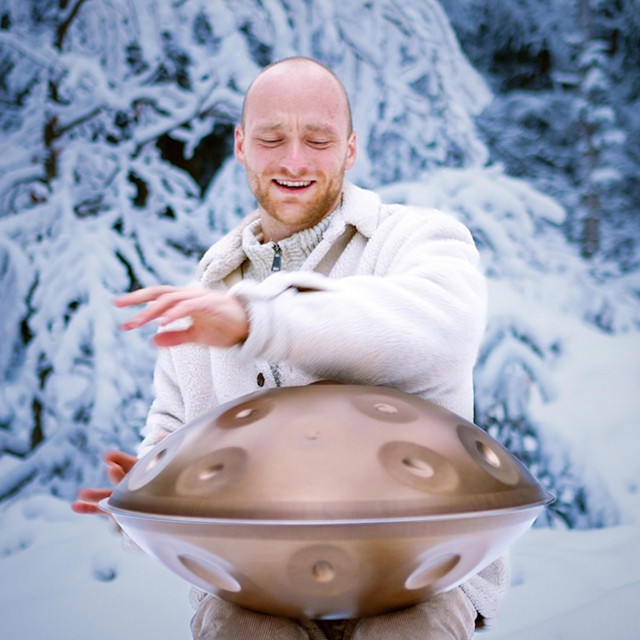
Handpan is a contemporary acoustic genre centered on the handpan family of instruments (originating with the Hang in 2000). These convex, tuned steel idiophones produce bell‑like, overtone‑rich tones that lend themselves to meditative, melodic, and percussive playing.
Typical handpan pieces explore modal scales (e.g., D Kurd, D Celtic, Hijaz), interlocking ostinati, and gently evolving textures. The intimate dynamic range and long sustain make it a staple of mindful listening, live looping, and acoustic fusion with global and classical timbres.

What it takes to Build a Mystical Handpan
Hard Is Easy

Building a Handpan - Start to Finish - Nirvana Handpan
Acolyte Instruments- Handpans, Gongs, Euphonics +
History
Origins (2000s)
• The modern handpan idiom began in Switzerland with PANArt’s Hang (released in 2000), inspired by Trinidad & Tobago’s steelpan tuning concepts and by various idiophones such as gongs and bells. Early performers developed a reflective, modal repertoire emphasizing touch, resonance, and polyphonic illusion via overtones.
Expansion and Community (2010s)
• As independent makers emerged worldwide, the instrument family diversified in scale layouts, timbres, and build methods. Online performance videos and street performances helped define a recognizable aesthetic: cyclical grooves, spacious tempos, and a balance of melody and hand percussion.
• Collaboration with frame drums, flutes, strings, and live electronics became common, drawing the instrument into ambient, world-fusion, and contemporary acoustic settings.
Consolidation and Hybridization (2020s–present)
• The handpan sound became a fixture in wellness, yoga, and spa contexts, as well as in cinematic scoring, acoustic pop crossovers, and live-loop solo acts. Makers refined tuning stability, overtone alignment, and scale catalogs, while artists pushed extended techniques, polyrhythms, and multi‑handpan ensembles.
Instrumentation and Setup
• Start with a single handpan (common center note “ding” with 7–10 surrounding notes) tuned to a modal scale (e.g., D Kurd/D minor, D Celtic, Hijaz). Add frame drum, cajón, low strings, or flutes for color; or use a looper to layer parts.
Rhythm and Groove
• Build cyclical ostinati in 6/8, 4/4, or 12/8. Use alternating hands for steady subdivisions; incorporate ghost notes, slaps, fingertip taps, and nail articulations for percussive contrast.
• Create forward motion with syncopated accent patterns and occasional polymeter (e.g., 3 over 4) while keeping dynamics gentle.
Melody, Harmony, and Texture
• Compose around the scale’s tonic and dominant; outline triads and suspended colors with broken‑chord arpeggios. Exploit long sustain for overlapping tones that imply lush harmony without dense voicings.
• Use touch control to excite overtones (harmonic nodes near note edges). Employ rolling techniques (rapid alternating taps) for shimmering pads and cadential swells.
Form and Development
• Structure pieces as evolving vamps: introduce a motif, layer counter‑figures, vary register and density, then thin to a coda. Modulate energy via register leaps to the ding, dynamic swells, or brief percussive breaks.
Recording and Live Techniques
• Close‑mic top and bottom or use a stereo pair at 30–60 cm to capture bloom and room. Gentle compression, subtle reverb, and high‑pass filtering preserve transients and resonance. In live looping, assign separate layers to groove, melody, and ornamentation to maintain clarity.

Learn Handpan in 1 Minute | Easy Beginner Tutorial
Dan Handpan Man

Meditative Pattern | Malte Marten | Handpan Tutorial
Malte Marten

A Simple Pattern 💛 #handpan #tutorial #simplepattern
Malte Marten - Shorts

Learn this handpan with this easy method #handpan
Dan Handpan Man

Top albums

Best playlists

Top tracks
Locked
Share your favorite track to unlock other users’ top tracks
Related labels

Upcoming concerts
in this genre
