Your digging level
Description
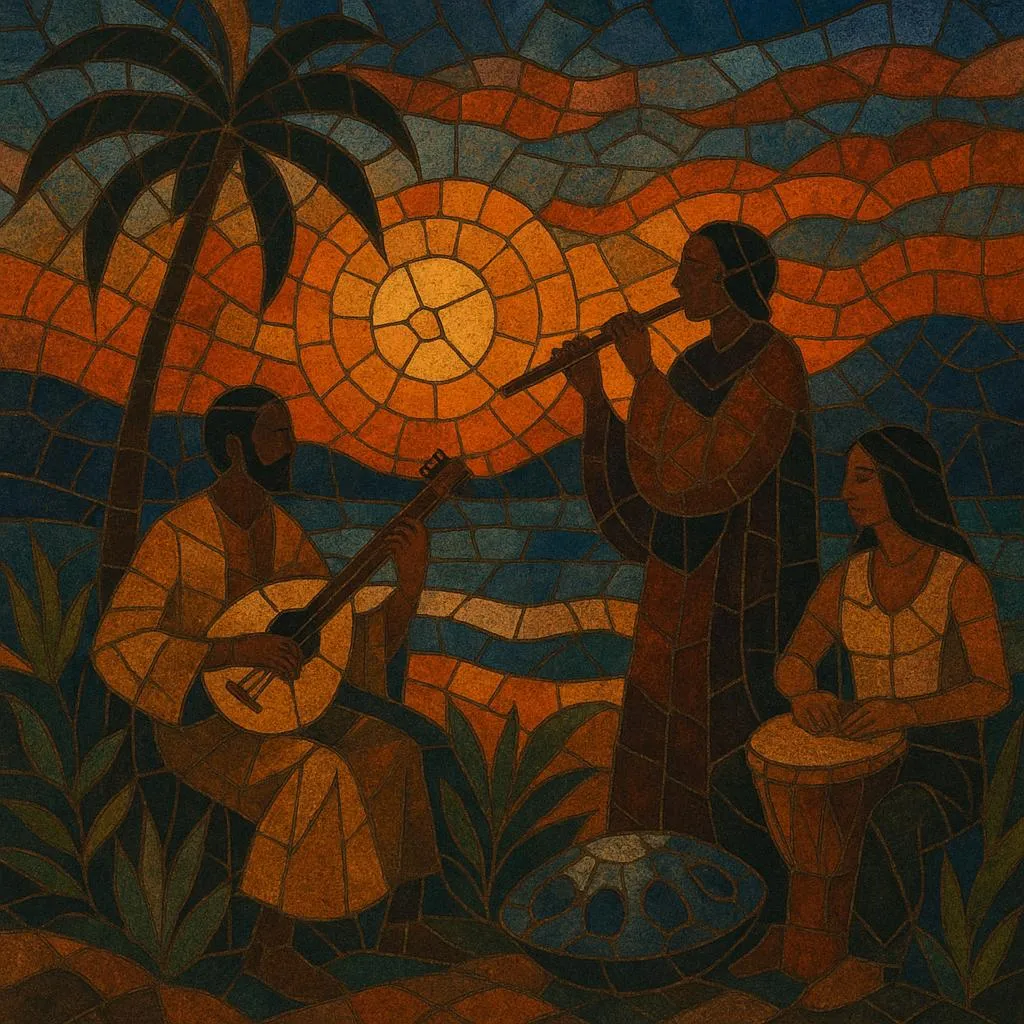
Tulum is a contemporary electronic dance music sound that crystallized around the boutique party scene in Tulum, Mexico, during the 2010s. It blends deep, organic house grooves with downtempo sensibilities, hand-played percussion, and "world"-leaning timbres such as oud, bansuri, handpan, and Latin guitar.
The style favors warm, analog textures; modal, minor-key harmonies (often Dorian or Phrygian); long, reverb-washed atmospheres; and subtle, mantra-like vocals or chants. Tempos usually sit between 112–120 BPM, with earthy polyrhythms and shuffling, Afro- and Latin-influenced percussion propelling a hypnotic four-on-the-floor.
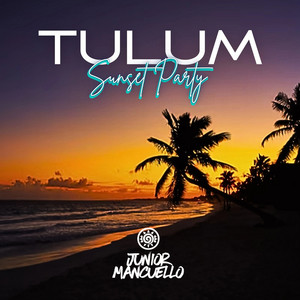
Aesthetically, the Tulum sound is associated with sunrise/sunset beach settings, bohemian design, and a wellness-forward, festival-adjacent culture. Musically it overlaps with the broader “organic house/downtempo” movement while retaining a distinctly tropical, ritualistic character.

History
Tulum, a coastal town in Mexico’s Riviera Maya, became a winter refuge for international DJs and party brands in the early 2010s. As intimate, design-led venues and pop-up events multiplied, a localized aesthetic emerged: slower-than-Ibiza house tempos, hand percussion, and a taste for acoustic/ethnic timbres over glossy EDM maximalism. Damian Lazarus’s Day Zero (launched 2012) and venues such as Zamna and Papaya Playa Project helped anchor the scene.
By the mid–late 2010s, the “Tulum sound” coalesced in parallel with the rise of organic house/downtempo. Labels and collectives like Crosstown Rebels, All Day I Dream, Sol Selectas, and Do Not Sit On The Furniture pushed deep, melodic cuts laced with Middle Eastern, North African, and Latin colors. The sound spread globally through beach clubs (Mykonos, Ibiza), desert gatherings (Burning Man-adjacent circuits), and boutique festivals, becoming a recognizable programming vein for sunrise/sunset slots.
Hallmarks included 112–120 BPM four-on-the-floor, syncopated congas and shakers, droning pads, modal minor harmony, nature field recordings (waves, birds, jungle), and mantra-like vocals. Productions emphasized warmth and space over aggressive drops, favoring long-form arrangements that evolve organically.
In the 2020s, the style’s reach expanded via live streams and curated playlists, influencing lounge/"world chill" and deep, melodic club formats. Alongside its popularity came critiques around commercialization and cultural tokenism. Musically, however, it continues to serve as a bridge between dancefloor functionality and acoustic, hand-made timbre—inviting hybrid live/DJ performance approaches while maintaining a relaxed, ritualistic energy.