Your digging level
Description
The West Coast Sound of Holland is an underground Dutch scene centered on The Hague that prizes raw, stripped‑down Techno and Electro with a distinctly retro, machine‑funk attitude.
Built on analog drum machines, lo‑fi synthesizers, and a DIY ethos, it looks back to Detroit/Chicago blueprints, early Electro, Italo‑Disco, and minimal wave while keeping arrangements lean for the dance floor. The sound is gritty, punchy, and often sci‑fi tinged—arcade bleeps, vocoder stabs, saturated 808s, and moody minor‑key basslines—delivered as DJ‑friendly tools and clandestine club weapons.


History
The term “West Coast Sound of Holland” refers to the west coast of the Netherlands—especially The Hague—where a tight network of squat parties, pirate radio, and fiercely independent labels took root in the early 1990s. Bunker Records (founded by Guy Tavares) and Unit Moebius crystallized a raw, analog Techno/Electro aesthetic that felt both post‑industrial and mischievously retro.
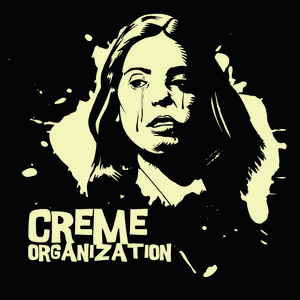
By the mid‑to‑late 1990s, labels like Viewlexx and Murder Capital (spearheaded by I‑F) and, soon after, Crème Organization (DJ TLR) and Clone (nearby Rotterdam) incubated a throwback, machine‑soul style that embraced Electro, Italo‑Disco, and minimal synth. I‑F’s cult single “Space Invaders Are Smoking Grass” (1997) and his CBS (Cybernetic Broadcasting System) radio—later Intergalactic FM—broadcast the scene’s tastes worldwide, catalyzing an Electro/Italo revival.
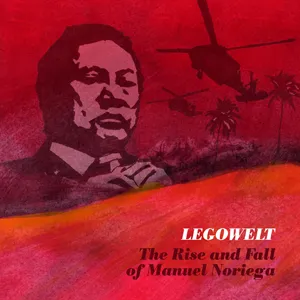
In the 2000s, artists such as Legowelt, Orgue Electronique, Alden Tyrell, Rude 66, Intergalactic Gary, and Syncom Data expanded the palette—keeping tempos club‑ready but melodies neon‑hued, with dusty drum machines and sci‑fi atmospheres. Crème Organization and Viewlexx/Murder Capital pressed countless 12‑inches that DJs everywhere folded into Electro, Techno, and Italo‑inflected sets.
The scene’s lo‑fi hardware grit, archival curiosity, and dance‑floor focus fed into the late‑1990s/early‑2000s Electroclash surge, the modern synth/Italo revivals, and a broader taste for analog Electro/Techno minimalism. Intergalactic FM became a global hub for the sound and its adjacent aesthetics, ensuring the West Coast Sound of Holland remains a touchstone for retro‑futurist club music.