Your digging level
Description
The Ladbroke Grove scene refers to a late-1960s and early-1970s West London countercultural hub centered around Ladbroke Grove and Notting Hill. It brought together psychedelic rockers, proto-punk misfits, free-festival travelers, underground press activists, and communal artists who made music that was raw, trance-inducing, and defiantly DIY.
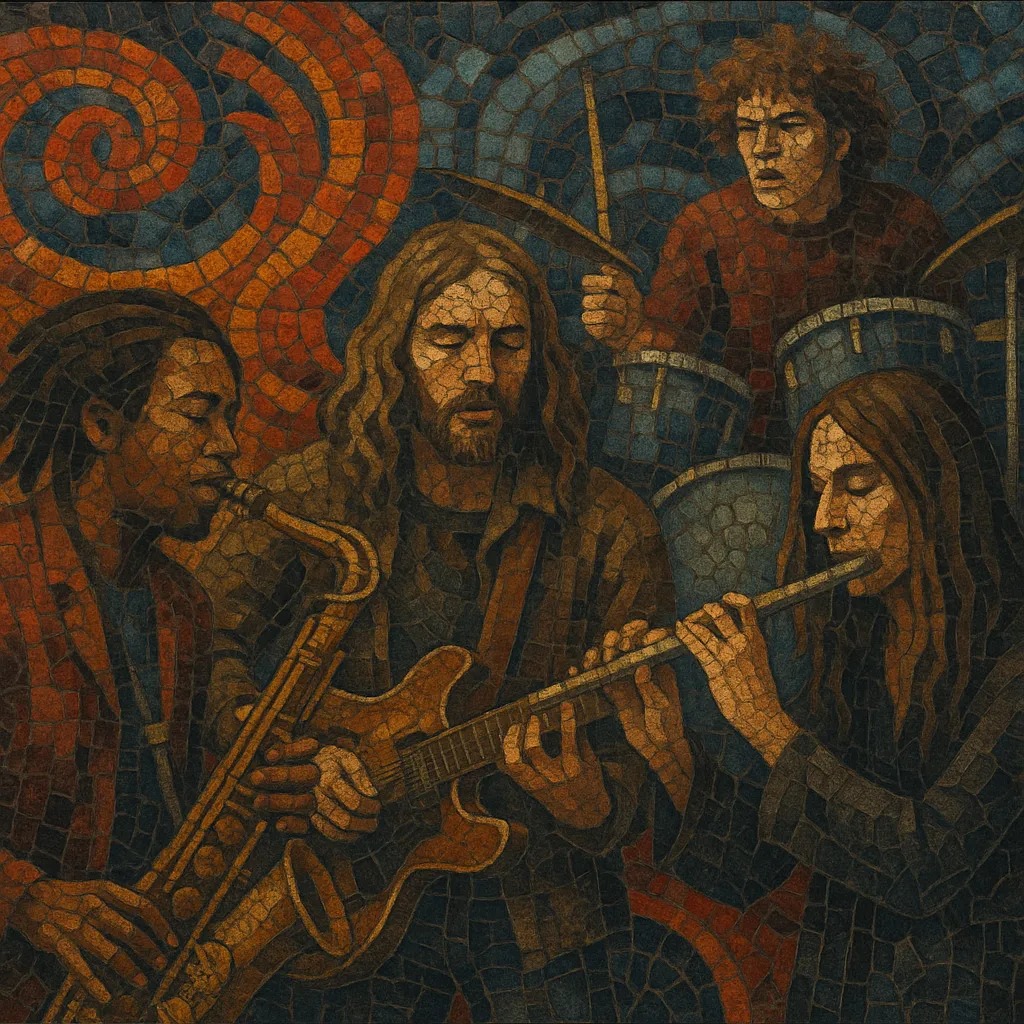
Sonically, the scene leaned on fuzz-soaked guitars, riff-driven space-rock vamps, repetitive grooves, free-form improvisation, and a heady blend of blues, acid rock, and modal psychedelia. Bands often folded in sax, flute, and early analog electronics, with some acts embracing raga influences, drones, and spiritual or sci‑fi themes. The aesthetic prioritized live energy over studio polish, resulting in music that felt communal, anarchic, and expansive.
Culturally, Ladbroke Grove’s squats, head shops, and underground venues overlapped with the UK’s free press (International Times, Oz), the free festival circuit, and the Notting Hill Caribbean community. The result was an influential nexus that fed directly into later punk, anarcho-punk, neo-psychedelia, and stoner/space rock revivals.
History
Ladbroke Grove in West London became a magnet for counterculture: squats, head shops, radical bookstores, and underground papers clustered around Portobello Road and All Saints Hall. Musicians, poets, and activists cross-pollinated with the UK’s burgeoning psychedelic and acid rock movements. The ethos was communal, anti-establishment, and performance-first, with marathon jams and happenings blurring lines between gig, protest, and street party.
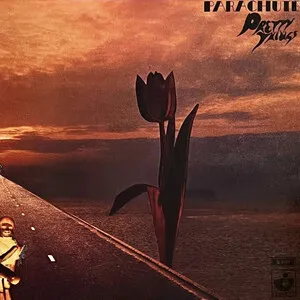
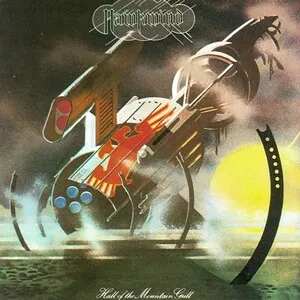
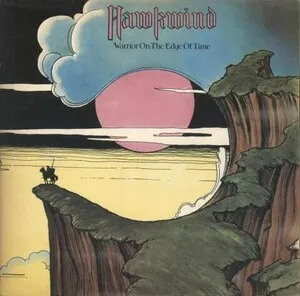
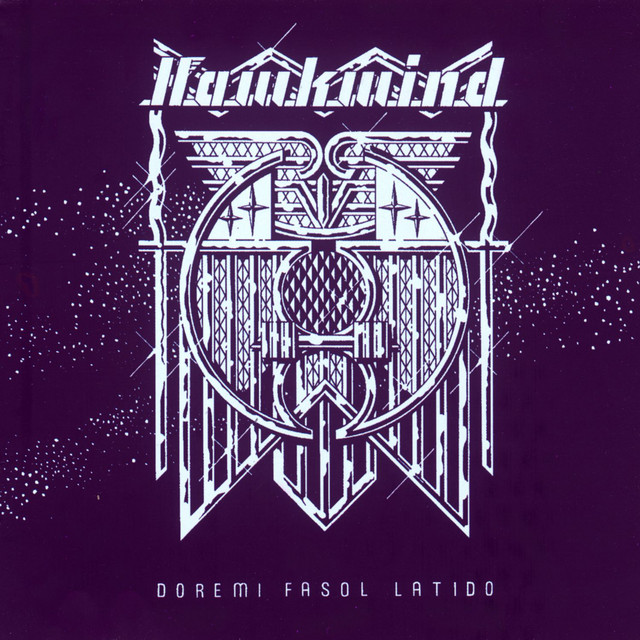
Bands associated with the Grove crystallized a distinctive hybrid: fuzz-drenched blues-rock energy, psychedelic repetition, and free improvisation. Acts like Hawkwind and Pink Fairies embraced hypnotic, riff-driven “space” vamps; others (Quintessence, Third Ear Band) brought raga, drones, and modal harmony. The scene thrived in informal venues, benefit concerts, and free festivals, privileging raw, high-volume performances over studio refinement.
Ladbroke Grove’s underground press (International Times, Oz) supported a broader radical arts network. The area’s West Indian community and the Notting Hill Carnival contributed a street-level, sound-system-informed sensibility, while squat culture sustained a DIY approach to organizing shows, pressings, and tours. Figures moved fluidly between bands, poetry, and activism, building a self-sufficient ecosystem.
The Grove’s DIY defiance and high-energy minimalism foreshadowed UK punk and especially anarcho-punk, while its trance-rock continuum seeded later neo-psychedelia, stoner rock, and space rock revivals. Alumni and associates (e.g., Lemmy from Hawkwind) carried its tough, stripped-down ethos into new contexts, and the area’s pub-rock and pre-punk activity (e.g., The 101ers) provided a direct pipeline into the first wave of punk.
Beyond band genealogies, the Ladbroke Grove scene normalized grassroots organization—free festivals, independent pressings, and community-led events—that informed UK alternative culture for decades. Its blend of cosmic imagery, communal politics, and relentless grooves remains a touchstone for space/stoner scenes and psychedelic revivals.