Your digging level
Description
Pop yeh-yeh is a 1960s Malaysian pop subgenre that adapted the youthful energy of Western beat and psychedelia to Malay-language songcraft.
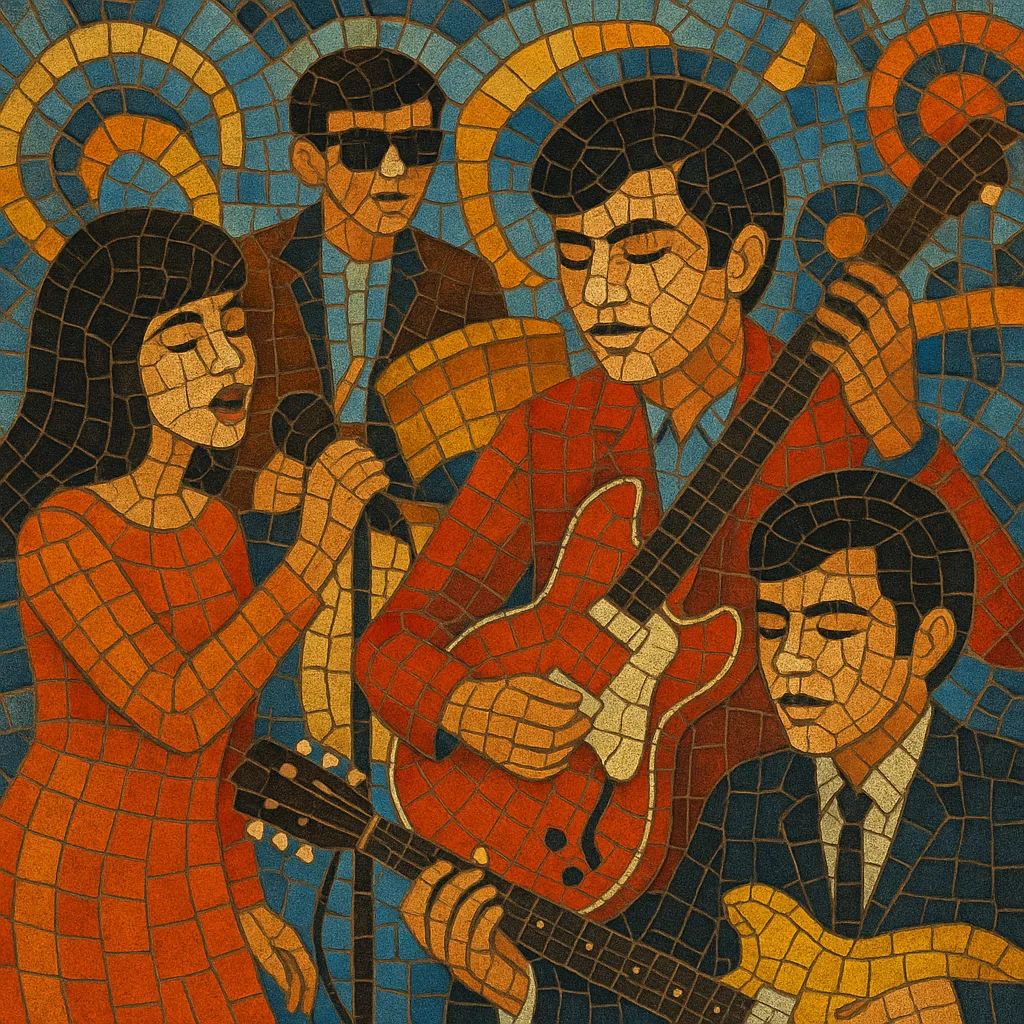
Built around electric guitar “combo” bands (locally nicknamed kugirán), the style blends the backbeat and jangly sonics of British Invasion pop with Malay asli vocal inflections and melodies drawn from Malay folk music. Bright major-key harmonies, surf-style reverb, Farfisa/compact organs, handclaps, and call‑and‑response “yeh yeh” refrains create a buoyant, dance‑floor‑ready sound.
Lyrically it leans toward youthful romance and modern city life, while retaining Malay poetic turns (pantun‑like phrasing, melismatic “lenggok” ornaments). The result is a distinctly local, Malay-language answer to global Sixties pop that remains nostalgic yet timelessly danceable.
History
Pop yeh-yeh emerged in Malaya (today Malaysia and Singapore’s Malay scene) as young musicians absorbed the British Invasion, surf, and French yé‑yé aesthetics heard on radio, records, and in cinemas. Local combos translated those grooves into Malay, pairing beat‑group instrumentation with Malay asli vocal ornaments and folk-derived melodies. The name nods to the catchy “yeah‑yeah” choruses that defined global Sixties pop.
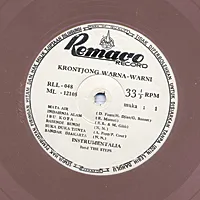
A wave of kugirán groups—electric guitar, bass, drums, organ—crystallized the sound: crisp 4/4 backbeats, twangy lead lines, organ hooks, and close harmonies. Singles and EPs circulated through radio and variety shows, and dance styles like a‑go‑go intertwined with the scene. Love songs and teen anthems dominated, but singers carried unmistakably Malay phrasing and melismas, tethering modern pop to local identity.
By the early 1970s, soul, funk, and later hard rock drew youth tastes forward, and pop yeh‑yeh receded from the charts. Yet it laid the foundation for Malaysian popular music and rock scenes, proving that international pop idioms could be localized in Malay. Periodic revivals, reissues, and tribute concerts have kept its repertoire alive, and its sound remains a touchstone for Malaysian retro pop and heritage programming.