Your digging level

For this genre
0/8
🏆
Sign in, then listen to this genre to level up

Description

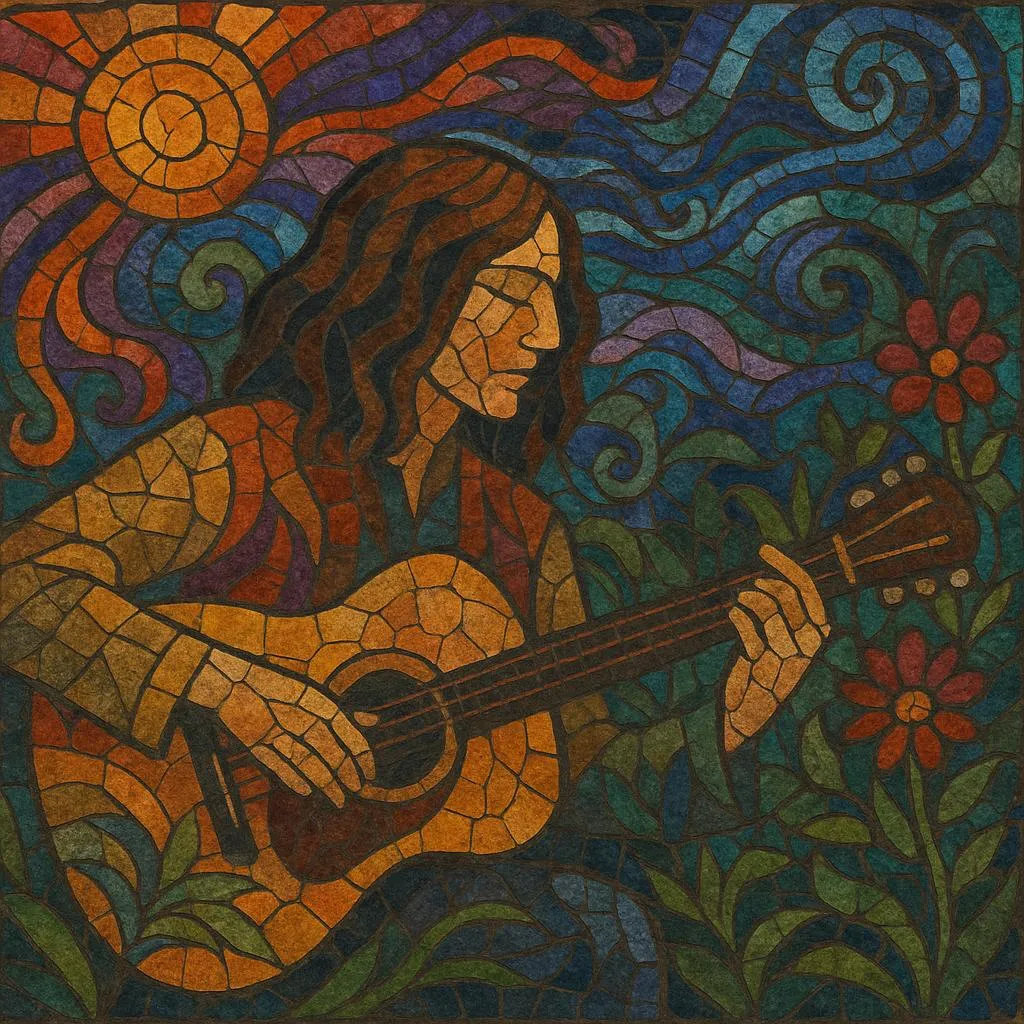
Psychedelic folk rock blends the acoustic intimacy and storytelling of folk with the expanded timbres, studio experimentation, and mind-bending aesthetics of psychedelic rock.

Typically built on fingerpicked acoustic guitars and modal or drone-based harmony, the style adds electric textures, tape effects, reverb- and delay-drenched atmospheres, unusual percussion, and non‑Western instruments. Lyrically it favors visionary images, mystical or pastoral themes, and inward-looking reflection. The result is music that can be both earthy and otherworldly—rooted in songcraft yet open to exploratory soundscapes.


Sources: Spotify, Wikipedia, Discogs, Rate Your Music, MusicBrainz, and other online sources

History

Roots (early–mid 1960s)

Psychedelic folk rock emerged as folk revivalists encountered the sonic freedoms of the psychedelic movement. Artists steeped in traditional balladry and acoustic songwriting began layering drones, modal harmony, and studio effects inspired by psychedelic rock, while keeping the narrative focus and intimacy of folk. Simultaneously, British and American scenes traded ideas—Celtic and pastoral currents in the UK met blues- and country-leaning strands in the US.

Peak era (late 1960s–early 1970s)

By the late 1960s, the style crystallized: acoustic instruments sat alongside electric guitars, dulcimers, hand percussion, sitar or tambura, and dense vocal harmonies. Albums favored immersive sequencing and tape experimentation. Themes ranged from nature mysticism to surreal poetry. The Woodstock generation’s back‑to‑the‑land ethos helped the sound flourish, even as artists moved fluidly between folk clubs and psychedelic rock stages.

Evolution and revivals (1980s–present)

After the early 1970s, interest ebbed as singer‑songwriter and soft rock styles took hold, but psychedelic folk rock’s DNA persisted in neo‑psychedelia and the 1990s–2000s “New Weird America” movement. Contemporary artists fold its acoustic drones, trance-like grooves, and spectral production into indie folk, dream folk, and experimental pop, keeping the genre’s blend of roots and reverie alive.

How to make a track in this genre

Harmony and form
•   Favor modal progressions (Dorian, Mixolydian) and static drones over frequent chord changes. •   Use open tunings (DADGAD, open D/E) for resonant drones; alternate between simple strophic songs and extended, trance-like vamps.
Melody and rhythm
•   Write chant-like or pentatonic melodies that float over drones; allow rubato verses and gently pulsing, tom- or hand‑percussion grooves. •   Introduce asymmetric patterns (5/4, 7/8) or subtly shifting meters to enhance the psychedelic drift.
Instrumentation and timbre
•   Core: acoustic guitar (fingerpicked), voice, light percussion (shakers, frame drum, tabla), bass (upright or warm electric). •   Colors: dulcimer, harmonium, flute/recorder, sitar or tambura, violin, autoharp; restrained electric guitar with tremolo, fuzz, or eBow. •   Production: spring/plate reverb, tape delay, backward or varispeed passages, field recordings (birds, wind), and gentle tape saturation.
Lyrics and imagery
•   Blend pastoral and mystical imagery (seasons, rivers, mythic figures) with introspective or surreal text. •   Embrace symbolism and open-ended narratives; refrain from overly literal storytelling to preserve the dreamlike tone.
Arrangement and recording
•   Layer acoustic bed first, add drones/sustains (harmonium, bowed guitar), then sprinkle textural overdubs. •   Pan acoustic and electric elements to create a wide, enveloping stereo field; keep dynamics organic and avoid heavy compression.
Performance tips
•   Prioritize breath, space, and ensemble listening; let textures evolve gradually. •   Use subtle crescendos and dissolves rather than big climaxes to sustain the hypnotic mood.

Related labels

Top tracks

Locked
Share your favorite track to unlock other users’ top tracks
Influenced by
Has influenced
Challenges
Digger Battle
Let's see who can find the best track in this genre

Download our mobile app

Get the Melodigging app and start digging for new genres on the go
© 2026 Melodigging
Melodding was created as a tribute to Every Noise at Once, which inspired us to help curious minds keep digging into music's ever-evolving genres.
Buy me a coffee for Melodigging