Your digging level
Description
Indie garage rock blends the raw, lo‑fi energy and riff‑driven immediacy of 1960s garage rock with the DIY ethos and melodic sensibilities of indie rock.
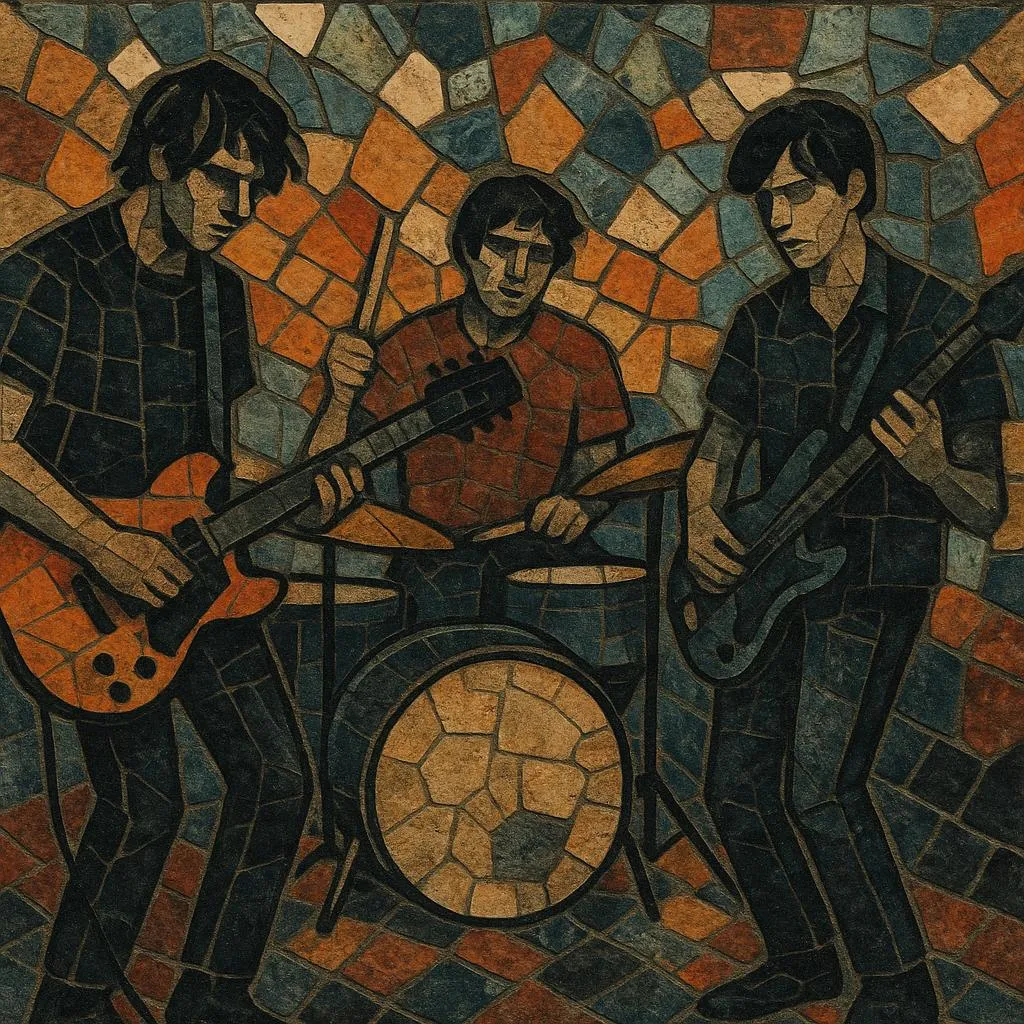
Typically performed by small guitar‑bass‑drums lineups, it favors crunchy overdrive, economical arrangements, and hooky choruses tracked with minimal studio polish. Production often highlights room sound, tape‑like saturation, and live takes rather than meticulous editing.
Lyrically, the style leans toward vignettes of youth, nightlife, alienation, and humor, delivered through shout‑along hooks or laconic vocals. The result is music that feels immediate and communal, equally suited to cramped basements and festival side stages.



History
Indie garage rock traces back to the garage rock of the mid‑1960s, when teenagers recorded fuzzed‑out singles with cheap amps and a few microphones. That template re‑emerged in the late 1990s and early 2000s garage revival, as bands rediscovered stripped‑down songcraft, analog textures, and the power of a great riff.
As the 2000s unfolded, the sound merged with indie rock’s college‑radio circuits, boutique labels, and a resurgent vinyl culture. The emphasis remained on concise songwriting, high‑gain guitars, and live recording aesthetics, but with indie’s melodic focus and art‑school sensibility. Smaller labels and blog ecosystems helped the style spread across North America and Europe.
In the 2010s, a boom in cassette labels, basement venues, and Bandcamp micro‑scenes enabled countless regional variants—from surf‑tinted jangle to psych‑leaning fuzz. Affordable recording gear and plug‑and‑play interfaces put lo‑fi tracking within reach of any rehearsal space, reinforcing the genre’s hands‑on, self‑produced identity.
Today, indie garage rock remains a live‑centric, riff‑first language that adapts easily: it can tilt punkier, dreamier, or more psychedelic while keeping its core values—short songs, strong hooks, crunchy tones, and a democratic, DIY approach to making records.