Your digging level

For this genre
0/8
🏆
Sign in, then listen to this genre to level up

Description

Traditional doom metal is the classic, Sabbath-rooted branch of doom that emphasizes weight, atmosphere, and repetition over speed or technical display.

Its signatures are a monotonous and heavy playing style; repetitive, rough, and sometimes atonal guitar riffs; a "rocking to sleep" bass that locks to the guitar; and an unhurried, often swung or lurching drum feel. The harmony leans on minor pentatonic and Aeolian modes, with frequent tritone (flat‑5) colors and bluesy bends, drawing clear influence from both Blues Rock and Psychedelic Rock.

Vocals are typically clean, plaintive, and dramatic—ranging from haunted croons to wailing laments—paired with lyrics about dread, mortality, esotericism, and the occult. Production tends to chase vintage warmth: tube amps, saturated fuzz, roomy drums, and organic reverb to let slow riffs breathe and brood.


Sources: Spotify, Wikipedia, Discogs, RYM, MB, user feedback and other online sources

History

Origins (1970s)

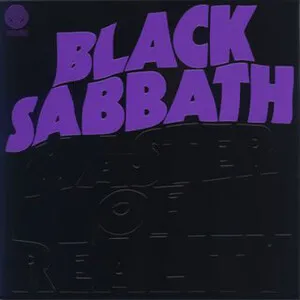
Doom’s DNA begins with Black Sabbath in late‑1960s/early‑1970s England. Their blues‑soaked, down‑tuned riffs, tritones, and funereal pacing supplied the archetype for heavy, ominous metal. Psychedelic Rock’s extended jams and Hard Rock’s amplification shaped the sound palette, while Blues Rock provided the riff vocabulary.

Codification as a subgenre (1980s)

In the early 1980s, bands on both sides of the Atlantic refined Sabbath’s template into a distinct style: Witchfinder General and Pagan Altar in the UK, and Pentagram, Trouble, Saint Vitus, The Obsessed, and Cirith Ungol in the US. Drawing some energy from NWOBHM’s visibility but rejecting its speed, they formalized a slower, riff‑mantra approach—monolithic guitars, hypnotic repetition, and clean, emotive vocals.

Consolidation and cult status (1990s–2000s)

While extreme metal splintered in many directions, traditional doom persisted in underground circuits and small labels. Reverend Bizarre, Count Raven, and related acts kept the orthodox ethos alive: long, riff‑centric compositions, vintage‑leaning production, and solemn theatricality. The style’s austerity and devotion to feel over flash cemented its cult following.

Revivals and continuities (2010s–present)

A new generation embraced analog tones and classic songcraft, often blurring lines with heavy metal and stoner traditions while keeping the core slow‑to‑mid tempos and mournful grandeur. Festival circuits, reissues, and reunions (e.g., Pentagram, Cirith Ungol) helped solidify the genre’s lineage. Today, traditional doom stands as the bedrock from which epic doom, funeral doom, and sludge derived, revered for its timeless, weighty minimalism.

How to make a track in this genre

Core instrumentation and tone
•   Use two guitars (or one thickly layered), bass, and drums; add clean vocals front and center. •   Tune down (D standard or lower), employ thick fuzz or overdriven tube tones, and favor warm, roomy ambience rather than hyper‑compressed modern polish.
Riff writing and rhythm
•   Build songs around a few mantra‑like riffs. Embrace repetition and slight variations rather than constant development. •   Tempos: slow to mid‑tempo (≈50–90 BPM). Let drums lurch or swing subtly; avoid relentless double‑kick. Keep grooves heavy but unhurried. •   Harmonically, lean on minor pentatonic/Aeolian with flat‑5 (tritone) color. Incorporate rough, occasionally atonal shapes and chromatic slides for tension.
Bass and drums
•   Bass should “rock to sleep” with the riff—doubling the guitar an octave below, occasionally walking or sustaining to thicken the floor. •   Drums prioritize feel and space: big kick, roomy snare, sparse fills; cymbals used for punctuation rather than constant wash.
Vocals and lyrics
•   Clean, dramatic delivery—lamenting, haunted, or sermon‑like. Use sustained notes and vibrato. •   Themes: dread, fate, mortality, occult imagery, ruin, and melancholy. Keep language evocative and archetypal rather than verbose.
Arrangement and production
•   Let riffs breathe; 6–9 minute tracks are common. Introduce sections by dynamic shifts (drop to bass/drums; add second‑guitar harmonies) rather than sudden tempo changes. •   Record with vintage sensibility: mic’d cabs, modest tape/analog saturation, natural reverb rooms. Avoid over‑editing; the slight drag is part of the weight.
Hallmarks to aim for
•   Monotonous and heavy playing feel; repetitive, rough riffing; occasional dissonant/atonal fragments; bass that lulls beneath the guitars. Above all, convey inevitability and gravity.

Top tracks

Locked
Share your favorite track to unlock other users’ top tracks

Upcoming concerts

in this genre
Influenced by
Has influenced

Download our mobile app

Get the Melodigging app and start digging for new genres on the go
© 2026 Melodigging
Melodding was created as a tribute to Every Noise at Once, which inspired us to help curious minds keep digging into music's ever-evolving genres.
Buy me a coffee for Melodigging