Your digging level
Description
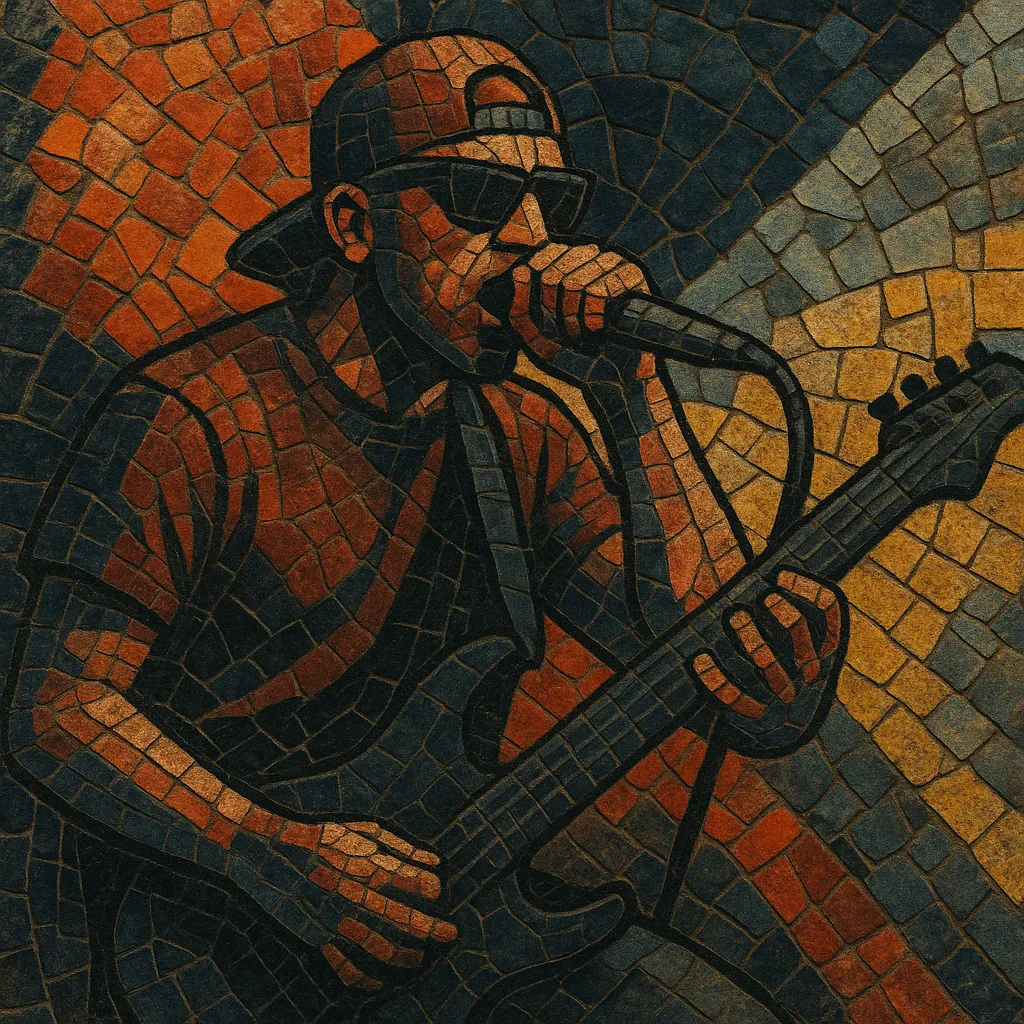
Rapcore is a fusion style that combines hip hop’s rapped vocals, sampling, and DJ techniques with the high-gain guitars, driving bass, and mosh-ready drums of hardcore punk and alternative metal.
The result is groove-forward, riff-centric music: verses are typically rapped over tight, syncopated patterns, while choruses erupt into shouted hooks, gang vocals, or anthemic sing-alongs. Lyrically, rapcore often tackles street-level realities, social and political critique, and personal struggle, delivered with the urgency and physicality of hardcore. Production frequently blends live band energy with hip hop elements such as scratching, cut-up samples, and break-inspired drum feels.
History
Rapcore’s roots lie in two parallel currents: the emergence of hip hop MCing and DJ culture, and the intensity of American hardcore punk. Early crossovers—hardcore bands flirting with rap cadences and hip hop acts experimenting with rock instrumentation—set the stage. The hardcore scene’s emphasis on groove-laden breakdowns and shouted communal vocals proved naturally compatible with rap’s rhythmic flow.
By the early 1990s, a distinct lane coalesced. New York’s Biohazard and Los Angeles’ Downset fused hardcore riffing with rapped delivery and streetwise, politically conscious lyrics, while New Jersey’s Dog Eat Dog brought funked-up brass and bounce to the mix. In Europe, Sweden’s Clawfinger and the UK’s Senser advanced a similarly militant, sample-savvy approach. Meanwhile, high-profile U.S. acts like Rage Against the Machine helped propel the rap–heavy-guitar hybrid into broader consciousness, even as they were often tagged as rap metal.
As alternative metal and nu metal surged, rapcore elements—rapped verses, DJ scratching, hip hop drum feels—spread widely. Bands such as (hed) p.e., P.O.D., and, at the commercial apex, Linkin Park, folded rapcore vocabulary into radio-dominant sounds. A parallel Christian rapcore niche (e.g., P.O.D.) helped the style permeate faith-based rock and metal circuits.
Though its mainstream presence receded after the early 2000s, rapcore’s DNA persists. Modern hybrids like trap metal adopt the core premise of rapped aggression over heavy, often down-tuned riffs, and punk-informed hip hop continues to embrace breakdowns, gang vocals, and high-impact live energy. Rapcore remains a blueprint for fusing hip hop rhythmic speech with the cathartic physicality of hardcore and metal.