Your digging level
Description
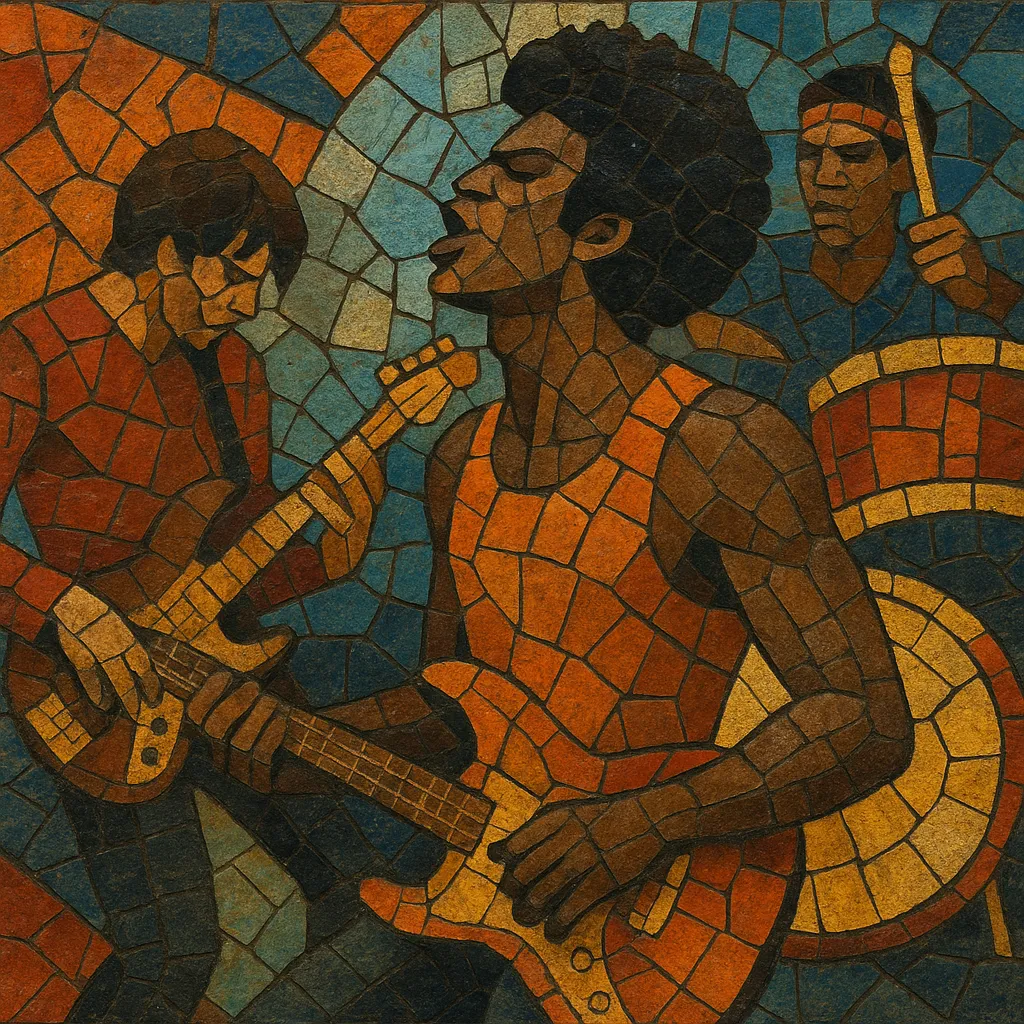
Funk rock is a hybrid style that fuses the syncopated grooves, percussive rhythm guitar, and deep pocket of funk with the distorted riffs, power, and song forms of rock.
Typical tracks feature tight, 16th‑note rhythmic interplay between bass, drums, and rhythm guitar, while lead guitars and vocals deliver rock’s edge and attitude. The harmony often stays close to dominant 7th (Mixolydian) colors and blues vocabulary, keeping the groove front and center.
The style ranges from psychedelic and P‑Funk‑inflected experiments of the late 1960s and 1970s to the punchy alternative and crossover sounds of the 1980s and 1990s, and it continues to inform dance‑oriented rock and genre‑blending bands today.
History
Funk rock emerged in the United States as artists began combining James Brown–inspired rhythmic concepts with the volume, tones, and structures of rock. Jimi Hendrix’s late work (especially Band of Gypsys, 1970) showcased syncopated, groove‑driven vamps under searing guitar leads. Sly & The Family Stone’s late‑1960s recordings blended psychedelic rock, soul, and funk into a unified, rhythm‑first approach that laid core foundations.
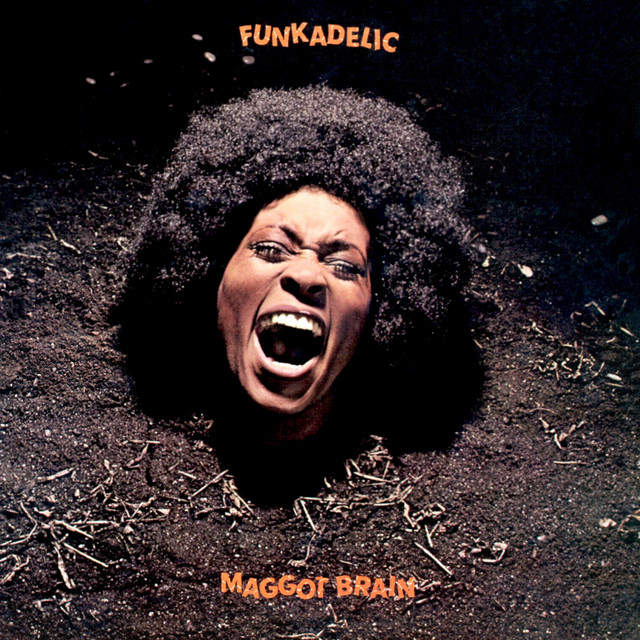
George Clinton’s Parliament‑Funkadelic pushed the fusion further: Funkadelic emphasized fuzzed‑out guitars and rock power within a deep funk pocket, while Parliament leaned into dance‑floor sensibilities—together establishing P‑Funk as a key influence on funk rock’s aesthetic and stagecraft. Mother’s Finest and other acts cemented the style in rock venues, proving that heavy riffs and danceable syncopation could coexist.
As post‑punk and new wave absorbed funk rhythms, a new wave of explicitly funk‑rock bands surfaced. Red Hot Chili Peppers fused slap‑bass funk with punk energy; Living Colour, Fishbone, and Faith No More added technical musicianship, metal crunch, and genre‑bending flair. This period brought mainstream visibility and established many of the idiom’s enduring performance tropes and production choices.
Primus, Infectious Grooves, and others stretched the template toward odd meters, virtuosic bass, and humor. Elements of funk rock informed rap rock and alternative metal, while artists like Lenny Kravitz folded vintage funk textures into arena‑scaled rock songwriting. The idiom’s rhythmic DNA spread internationally through alternative and dance‑oriented rock scenes.
Funk rock remains a live‑leaning, groove‑centric language. Legacy acts continue to tour and release music, while newer bands borrow its tight rhythm‑section interplay, percussive guitars, and party‑ready feel. The style’s emphasis on pocket and performance chemistry keeps it relevant across festival stages and club circuits.