Your digging level
Description
“Trap queen” is a micro-genre/playlist tag that sits inside mainstream trap and pop-trap, centered on glossy, hook-forward trap production paired with lyrics that celebrate a charismatic, street-smart, loyal female partner (the “trap queen”) and the lifestyle around hustle, fashion, nightlife, and couple loyalty.
Musically it tends to use modern trap drum programming (808 sub-bass, fast hi-hats, snare/clap on the backbeat), melodic minor-key synths or plucked leads, and a strong emphasis on catchy toplines that can cross over to pop radio.
In practice, “trap queen” is more of a cultural/memeable descriptor that grew from a defining hit and then expanded into a recognizable sound/lyrical framing within 2010s trap-pop.
History
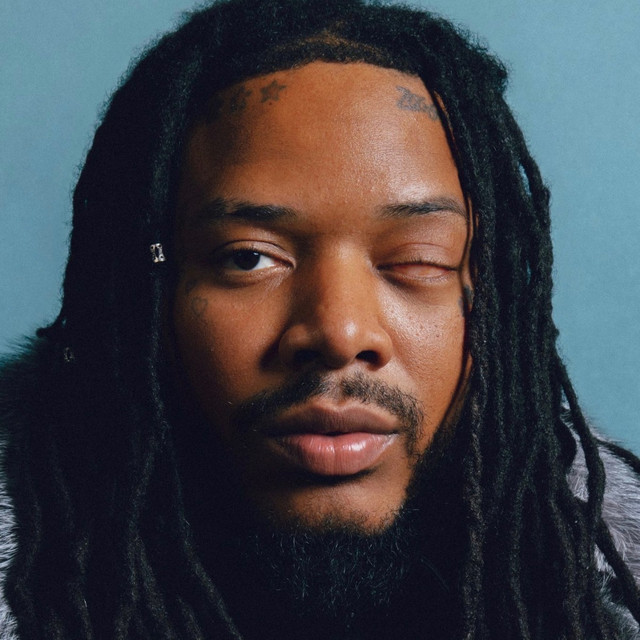
The term “trap queen” became widely recognizable after Fetty Wap’s 2014 breakout “Trap Queen”, which framed a romantic partner as a glamorous, ride-or-die figure within a trap context. The song’s massive crossover success helped solidify the phrase as a cultural archetype and a convenient label for similarly hooky, pop-leaning trap records.
As streaming playlists and social media accelerated micro-tagging, “trap queen” began functioning as a shorthand for melodic, accessible trap with romantic/loyalty themes, often including fashion and nightlife imagery. It overlaps strongly with pop-trap, melodic rap, and radio-friendly trap.
Rather than becoming a formal scene with strict boundaries, the label spread through playlist culture, captions, and fan discourse. It became a way to describe songs that combine trap drums with catchy choruses and relationship-centered narratives tied to the “trap queen” trope.
Today it is best understood as a descriptor inside the broader trap ecosystem—useful for mood/lyric framing and production choices, but not as institutionally defined as major genres like trap or hip hop.



Top albums