Your digging level
Description
Neofolklore is a short‑lived Chilean movement from the mid‑1960s that refreshed rural folk repertories—especially cuecas and tonadas—using urbane, radio‑friendly arrangements. Vocal quartets and small ensembles favored tight multipart harmonies, crisp acoustic guitar strums, and tasteful studio polish, presenting tradition with contemporary pop sensibilities.
Although rooted in local dance forms, the style was also inspired by foreign folk-revival groups of the era (e.g., smooth vocal blends and refined stagecraft), which encouraged modern production values while keeping Spanish‑language lyrics focused on countryside imagery, love, festivities, and Chile’s landscapes. It bridged earlier huaso ensembles and the later, more politically engaged Nueva Canción, preserving folklore while adapting it for mass media.
History
Chile’s urban audiences in the 1960s were absorbing global folk‑revival sounds alongside a domestic appetite for folklore. Neofolklore arose when Chilean performers reapplied traditional forms—cueca and tonada—to modern, media‑savvy formats: close‑harmony vocal groups, succinct arrangements, and professional studio production. Radio, TV variety shows, and festivals played a decisive role in popularizing this polished approach.
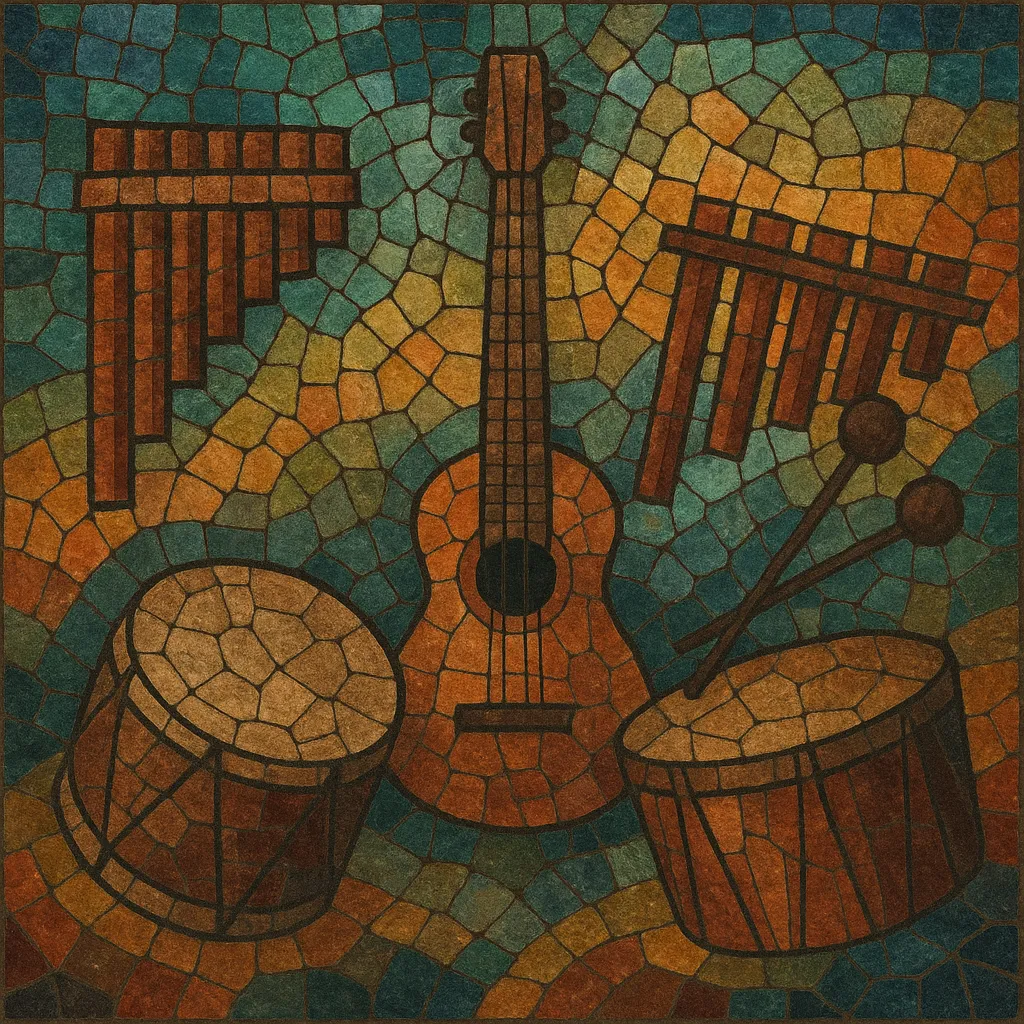
Groups typically adapted well‑known rural songs, adding guitar‑driven textures, bombo percussion, charango or quena color, and clear multi‑part vocals. The material stayed celebratory and picturesque rather than overtly political, which distinguished it from co‑occurring protest currents. Foreign models from the U.S. and Europe (clean harmonies, coordinated stage presence) informed phrasing and sound.
The movement peaked quickly and, as the decade progressed, ceded cultural momentum to the socially engaged Nueva Canción Chilena. Even so, neofolklore left two durable legacies: it normalized folklore on mass media and provided a sonic bridge between huaso ensembles and later singer‑songwriters and folk‑rooted pop/rock acts. Elements of its vocal blend, melodic treatment, and cueca‑inflected rhythms continued to echo in Chilean pop and festival stages.