Your digging level
Description
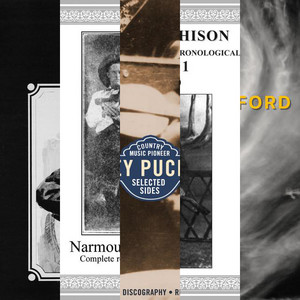
Vintage old-time refers to the earliest commercial recordings of Southern U.S. string-band music and narrative ballads, typically captured in the acoustic and early electrical recording eras of the 1920s and 1930s.
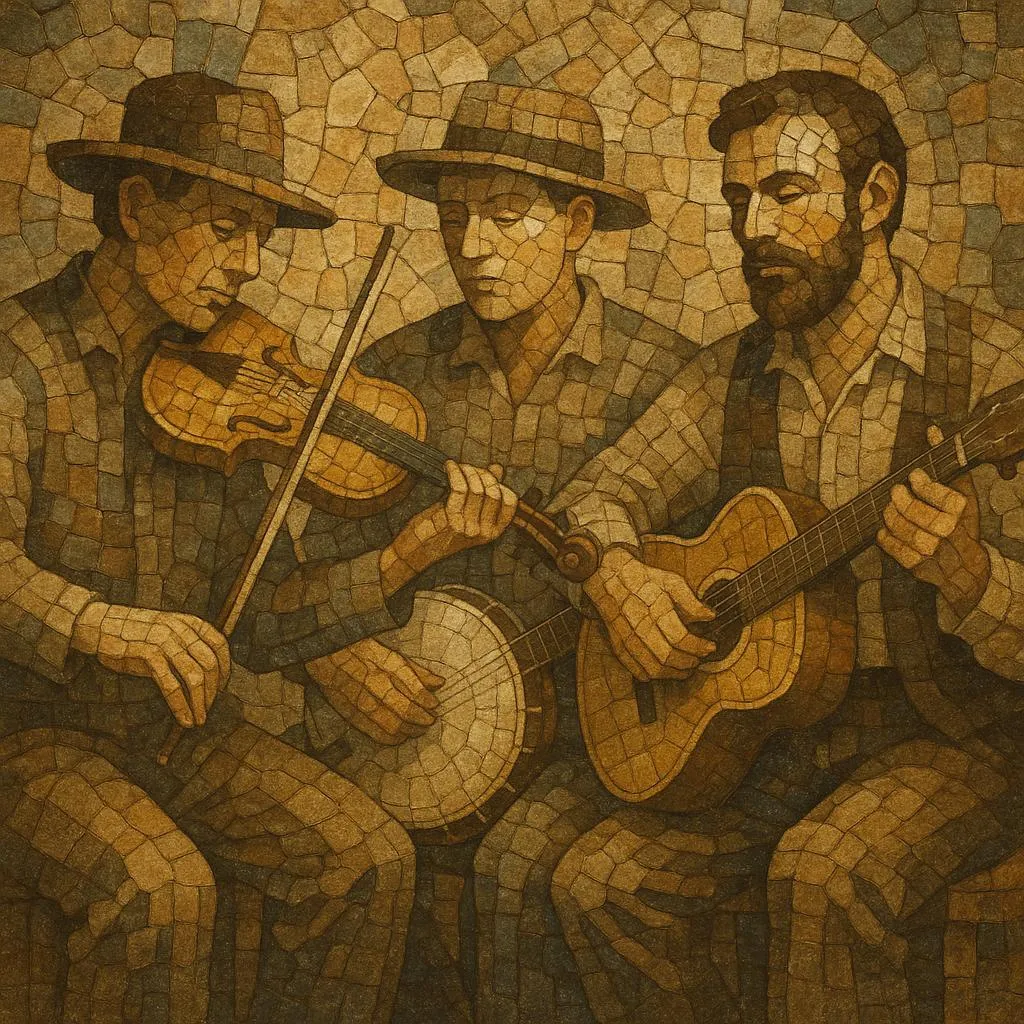
Characterized by fiddle-and-banjo led dance tunes, modal ballads, and parlor-era sentimental songs, it blends Anglo-Celtic balladry with African American rhythmic and instrumental innovations. Ensembles often featured fiddle, clawhammer or two- and three-finger style banjo, guitar, mandolin, and sometimes autoharp or bones, recorded live around a single microphone.
Its sound is raw, driving, and communal—made for dances, house parties, and radio barn-dances—yet it also preserves older narrative song traditions and sacred repertoire. These recordings became the template for later U.S. folk revivals, country, and bluegrass.
History
Record companies seeking "hillbilly" music in the early 1920s recorded Southern rural musicians at field sessions and in northern studios. The music drew on Appalachian ballads and fiddle traditions of British and Irish origin, mixed with African American rhythmic sensibilities, banjo techniques, blues phrasing, and ragtime-influenced accompaniment. Fiddle-and-banjo duos, string bands, and solo singers formed the core.
Early acoustic discs gave way to electrical recording by the mid-1920s, improving clarity of ensemble string bands and solo ballad singers. Radio barn-dances and mail-order records helped disseminate tunes regionally and nationally. Repertoires included breakdowns, waltzes, rags, play-party songs, murder ballads, gospel pieces, and sentimental parlor songs.
As the industry professionalized, arrangements tightened: AABB fiddle-tune forms, boom‑chuck guitar backing, and set roles for fiddle (lead) and banjo (drive). Traveling medicine shows, vaudeville circuits, and radio sponsorship expanded audiences. The music increasingly overlapped with emergent "country" branding, but preserved older modal melodies (Dorian, Mixolydian) and drone-rich textures.
Postwar collectors and the 1950s–60s folk revival reissued and celebrated 78‑rpm sides, cementing these recordings as a canon. Vintage old-time became a reference point for bluegrass, country, western swing, and modern folk, and remains central at fiddle conventions and square-dance communities. Contemporary players still emulate the timbre, repertoire, and one-mic performance style of the 1920s–30s discs.