Your digging level
Description
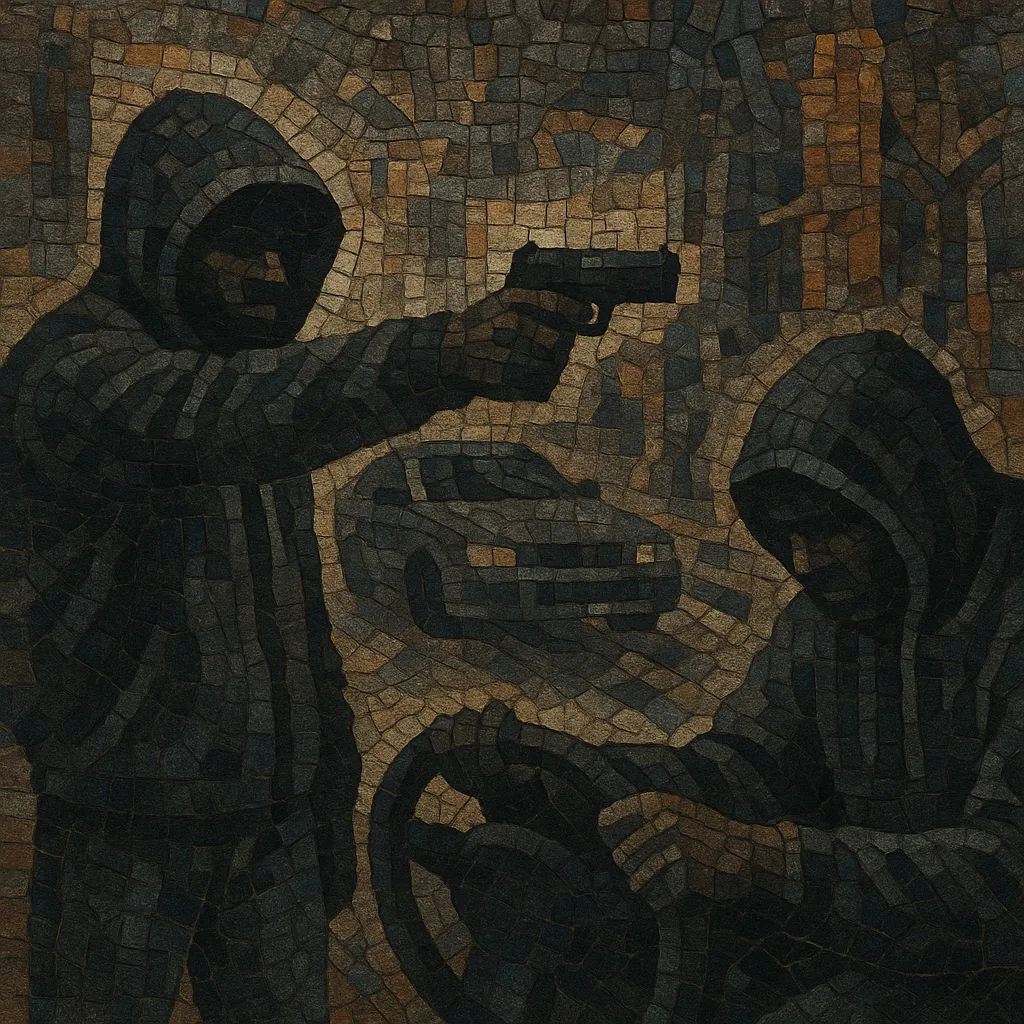
Road rap is a gritty strand of UK rap that emerged in London in the mid‑2000s, particularly around Brixton and Peckham. It favors blunt, reportage‑style lyricism about “the road” (street life, hustling, policing, and survival), delivered in unvarnished British vernacular and regional slang.
Musically it sits between the boom‑bap and hardcore ends of hip‑hop and the darker edges of grime: tempos are slower than grime’s 140 BPM, drums hit hard and dry, bass is weighty and sometimes 808‑driven, and melodies are sparse, minor‑key and moody. The overall tone is abrasive, cold and documentary, distinguishing it from more club‑oriented UK styles.

![CB - Rap or Road [Music Video] | GRM Daily](https://i.ytimg.com/vi/UULccPZqYm0/hqdefault.jpg)


History
Road rap crystallized in South London neighborhoods such as Brixton and Peckham in the mid‑2000s. Rappers used mixtapes, DVD cyphers and early YouTube channels to circulate raw street narratives that diverged from grime’s rave energy, adopting slower, heavier beats closer to American hardcore and boom‑bap while retaining a distinctly British perspective and slang.
As the scene grew, breakout tapes and freestyles established road rap as a parallel lane within UK hip‑hop. Artists emphasized stark, first‑person storytelling, low‑register delivery, and uncompromising subject matter about local conditions, which helped define the genre’s sonic and lyrical identity separate from grime and pop‑leaning UK rap.
Road rap’s aesthetic—minimal, brooding beats and matter‑of‑fact street reportage—laid important groundwork for later UK styles. Its flows, slang, and themes fed directly into London’s rap mainstream, informed the tone and subject matter of UK drill, and bled into more melodic UK rap offshoots without losing the genre’s core documentary feel.



Best playlists