Your digging level

For this genre
0/8
🏆
Sign in, then listen to this genre to level up

Description

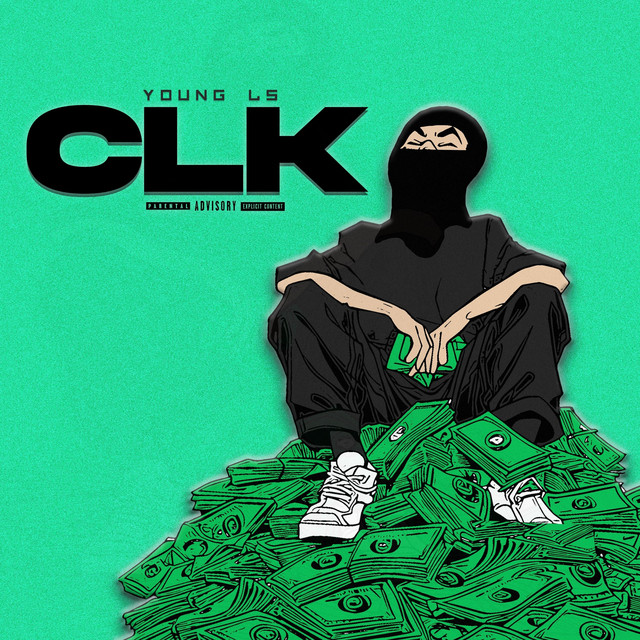
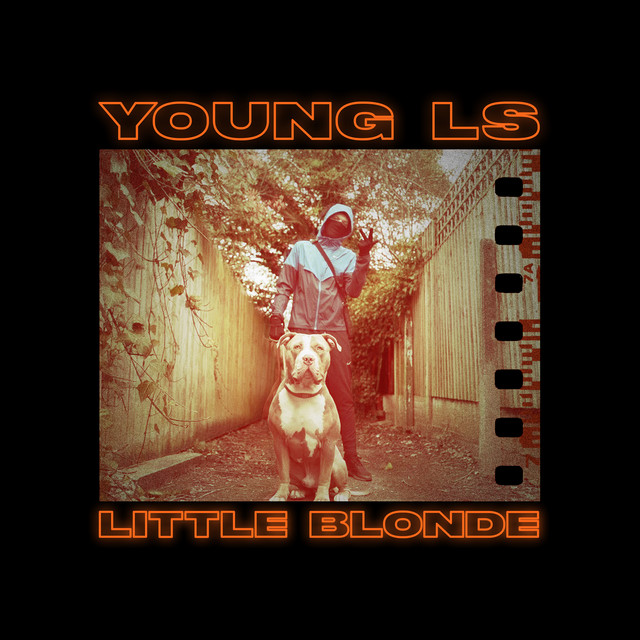
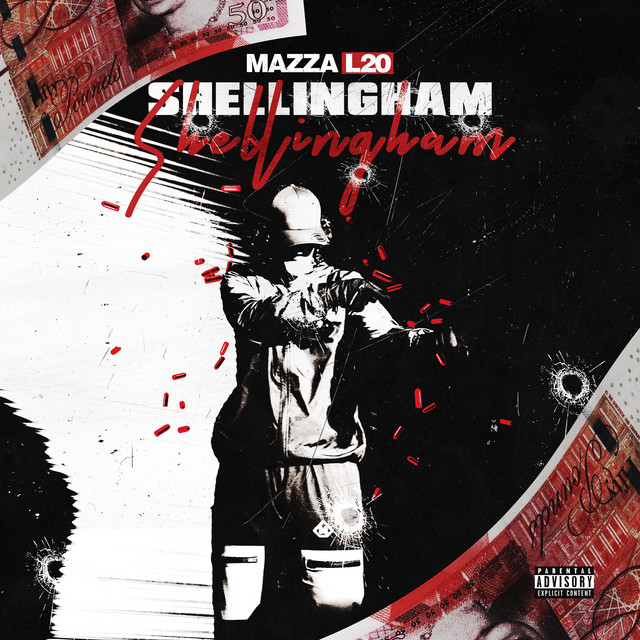
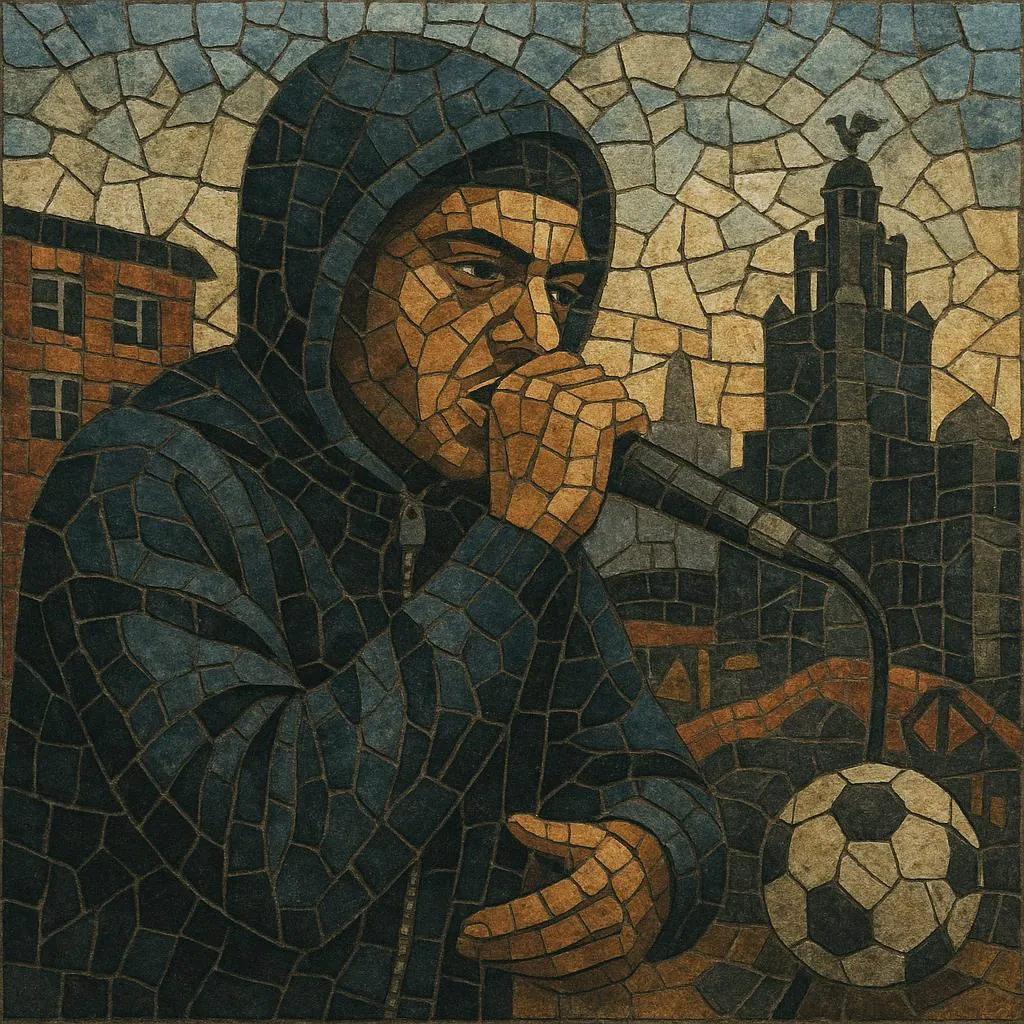
Scouse rap is the regional hip‑hop of Liverpool (Merseyside), characterised by the unmistakable Scouse accent, a dense use of local slang, and narratives rooted in life on the city’s estates, docks, nightlife, and football culture.

Musically it sits between UK hip hop, grime, and UK drill: moody minor‑key instrumentals with sliding 808s and skittering hi‑hats are common, while older tracks lean on boom‑bap or grime’s 140 BPM energy. Lyrically, it blends hard‑edged street reportage with dry Liverpool humour and a conversational delivery that foregrounds identity and place.


Sources: Spotify, Wikipedia, Discogs, RYM, MB, user feedback and other online sources

Who’s the Best SCOUSE Rapper?
BTB Max

History

Early roots (2000s)

Liverpool developed its own hip‑hop voice in the 2000s through local open‑mics, pirate radio, and grassroots nights that incubated MCs with strong Scouse identity. While UK hip hop was centred in London, Merseyside artists began forging a sound that privileged dialect, local references, and tight, punchy storytelling.

Breakthrough and definition (2010s)

In the 2010s, Liverpool MCs started appearing on national platforms (e.g., freestyle series and online video channels), giving Scouse rap visibility beyond the region. The era cemented key traits: prominent Scouse cadence, vivid estate narratives, and beats that alternated between grime‑tempo bangers and trap‑leaning half‑time.

Viral era and diversification (2020s)

Short‑form video and freestyle platforms helped Scouse voices travel nationally and internationally, with viral moments spotlighting the accent and local slang. Production drew more heavily from UK drill (sliding 808s, eerie pads), while some artists explored melodic hooks and reflective themes. The scene now spans gritty street rap, melodic street‑pop crossovers, and community‑minded conscious cuts, all unified by a strong Liverpool sense of place.

How to make a track in this genre

Core rhythm and tempo
•   Use trap/drill frameworks: 70–75 BPM (half‑time) or 140–150 BPM (double‑time). Grime‑influenced tracks often sit at 140 BPM with more percussive bounce. •   Program stuttering hi‑hats (1/16–1/32 with rolls), gliding 808s (portamento), and sparse, syncopated snares.
Harmony and sound palette
•   Minor keys (A minor, D minor, F# minor are common) with moody pads, bell/mallet plucks, or filtered piano stabs. •   Add atmospheric textures (vinyl crackle, city ambiences) for place‑based realism. Keep arrangements uncluttered to spotlight vocals.
Flow and delivery
•   Embrace the Scouse accent and dialect. Let natural speech rhythms guide your flow; punchy, syllable‑dense cadences work well over drill/trap. •   Switch between conversational talk‑rap and emphatic, percussive barrages for emphasis. Use strategic pauses to land punchlines.
Writing and themes
•   Prioritise storytelling: day‑to‑day graft, family, football culture, nightlife, friendship, and moral choices. •   Weave in local slang and references (e.g., "la", "kidda", "boss", "sound", "scran", "bevvy") to anchor lyrics in Liverpool. •   Balance grit with wit—Scouse humour (dry, observational) is a hallmark.
Recording and mix
•   Keep vocals forward and intelligible; a controlled, present midrange lets the accent cut through. •   Use parallel compression on drums/808s for weight without masking the voice; tame low‑mid buildup so lyrics stay clear.
Arrangement tips
•   Intros: 2–4 bars of motif + ad‑libs to set tone. •   Verses: 16–24 bars; consider mid‑verse flow switch or beat change. •   Hooks: either chanty and percussive (grime/drill style) or melodic for crossover appeal.

Main artists

Top tracks

Locked
Share your favorite track to unlock other users’ top tracks

Upcoming concerts

in this genre
Influenced by
Has influenced
No genres found

Download our mobile app

Get the Melodigging app and start digging for new genres on the go
© 2026 Melodigging
Melodding was created as a tribute to Every Noise at Once, which inspired us to help curious minds keep digging into music's ever-evolving genres.
Buy me a coffee for Melodigging