Your digging level

For this genre
0/8
🏆
Sign in, then listen to this genre to level up

Description

Gothic alternative is a strand of alternative rock that blends the brooding atmosphere and romantic melancholy of gothic rock with the hooks, song craft, and production sheen of mainstream alt rock.

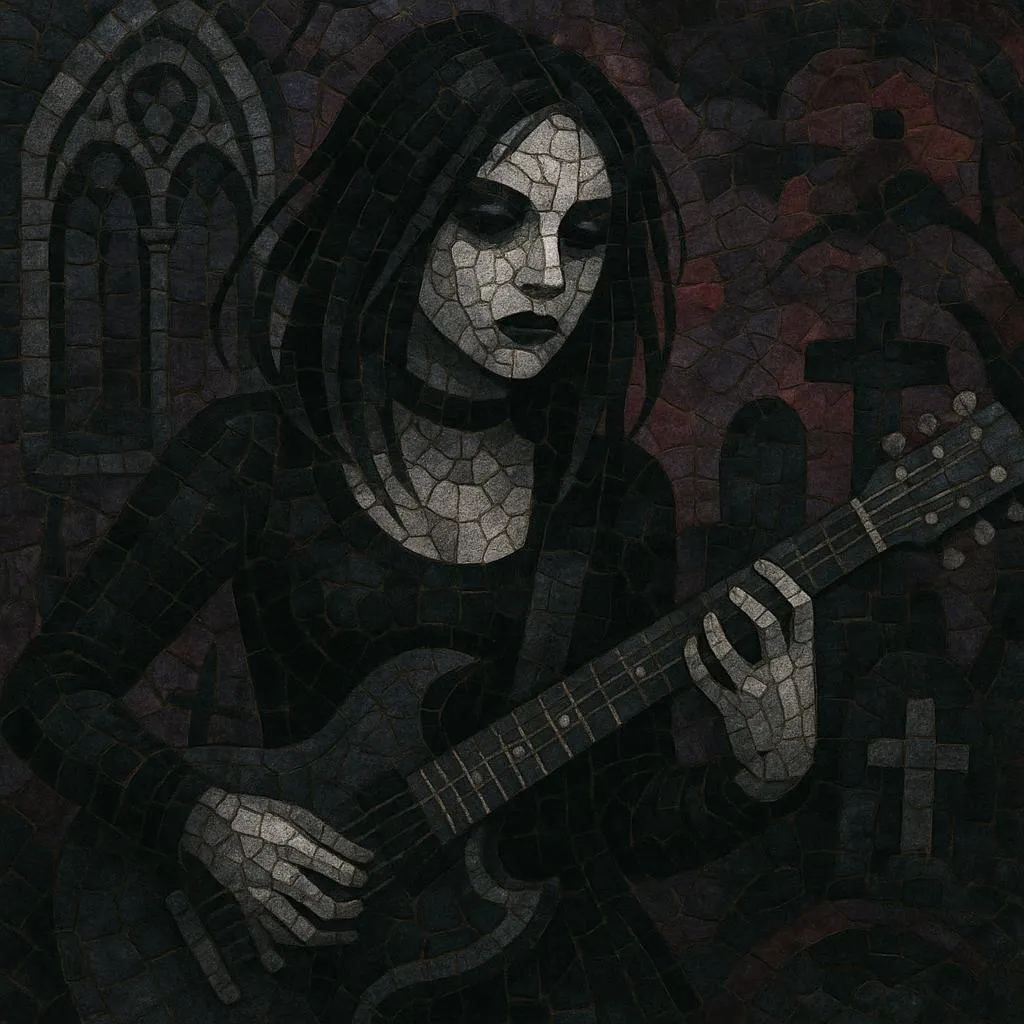
Its sound typically fuses chorused or down‑tuned guitars, moody synthesizers, and forceful, arena‑ready drums beneath emotive vocals (often female‑fronted, but not exclusively). Lyrically it leans toward gothic themes—romance and loss, nocturnal imagery, psychological conflict—presented in accessible verse–chorus forms. The result is music that feels dark and dramatic yet immediately memorable, sitting between classic goth’s shadowy austerity and radio‑friendly alternative’s punch and polish.


Sources: Spotify, Wikipedia, Discogs, RYM, MB, user feedback and other online sources

History

Origins (late 1980s–1990s)

Gothic alternative emerged as alternative rock and post‑punk offshoots absorbed the atmosphere and aesthetics of 1980s gothic rock and dark wave. Bands began pairing the gothic scene’s reverb‑washed guitars, minor‑key melodicism, and morbid romanticism with tighter, hook‑driven songwriting and a broader production palette that included modern synths and heavier, US‑leaning alt‑rock rhythm sections.

2000s Breakthrough

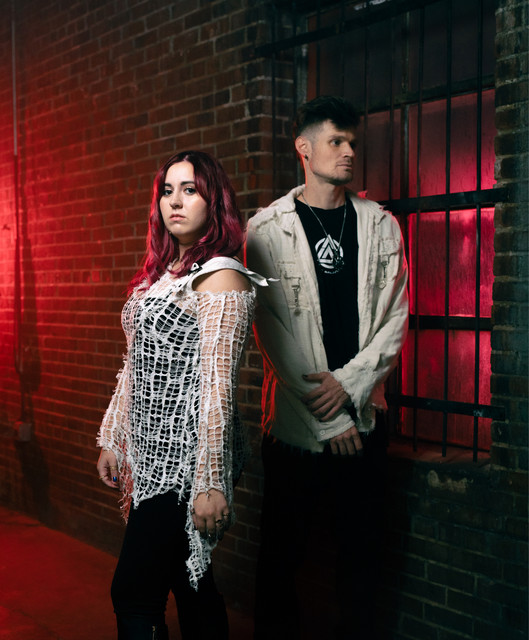
In the early 2000s, major‑label alt rock and alternative metal created a receptive environment for darker, melodramatic sounds. Acts with goth sensibilities found mainstream audiences by foregrounding anthemic choruses, cinematic arrangements, and polished production. Visual identity—Victorian chic, leather and lace, monochrome palettes—traveled hand‑in‑hand with the music, reinforcing the style’s dark allure on television, film syncs, and festival stages.

2010s–Present: Hybridization and Streaming

Streaming culture helped codify “gothic alternative” as a playlistable micro‑niche spanning alt rock, dark pop, and industrial‑tinged styles. Artists freely hybridized elements from synth‑pop, industrial rock, and pop metal, while keeping the core: dramatic vocals, shadowy harmony, and a balance of heaviness and melody. The scene today thrives through global collaborations, DIY production, and strong visual branding across social platforms, sustaining a sound that is both accessible and unmistakably nocturnal.


How to make a track in this genre

Core Instruments and Sound Design
•   Guitars: Blend a clean, chorused or flanged layer (for gothic shimmer) with a distorted rhythm layer. Consider drop‑D or drop‑C for weight; use octave leads and eBow/slide for haunting sustains. •   Synths: Pads (saw/triangle with slow attack), analog basses, and subtle arpeggios to glue sections and deepen the nocturnal mood. •   Drums: Rock kit or hybrid (acoustic with layered samples). Tight kick and snare; toms for cinematic fills. Tempo commonly 76–102 BPM (ballad‑to‑mid) or 120–140 BPM in half‑time.
Harmony and Melody
•   Keys: Minor modes (Aeolian, Dorian) with occasional Phrygian color tones for darker tension. •   Progressions: Try i–VI–III–VII, i–VII–VI–VII, or iv–i–VI–III for brooding lift into big choruses. •   Melodies: Wide, emotive vocal lines that climb to an anthemic chorus; double with octave or third harmonies and add reverb/delay tails for drama.
Arrangement and Texture
•   Verses: Sparse—clean guitar + pad + low bass; leave space for the vocal. •   Pre‑chorus: Introduce a rising synth or guitar counterline and build with toms. •   Chorus: Full stack—distorted guitars, live cymbals, backing vocals, and a sustained pad; consider a counter‑melody on lead guitar or synth. •   Bridge: Drop to piano/pad or introduce industrial textures (filtered noise, gated reverb) before a final, bigger chorus.
Lyrics and Aesthetics
•   Themes: Romantic fatalism, self‑reflection, night imagery, mythic or occult metaphors handled poetically rather than literally. •   Voice: Dynamic range from intimate whispers to belting; layered harmonies and occasional choral pads heighten the gothic grandeur.
Production Tips
•   Use layered reverbs (short plate on vocals + longer hall on pads/guitars) to create depth without mud—high‑pass the returns. •   Sidechain pads subtly to the kick for clarity; notch muddy low‑mids (200–350 Hz) on guitars and pads to reveal vocals. •   Master with moderate loudness; preserve transients so the chorus “blooms” rather than crushes.

Top tracks

Locked
Share your favorite track to unlock other users’ top tracks

Upcoming concerts

in this genre
Influenced by
Has influenced

Download our mobile app

Get the Melodigging app and start digging for new genres on the go
© 2026 Melodigging
Melodding was created as a tribute to Every Noise at Once, which inspired us to help curious minds keep digging into music's ever-evolving genres.
Buy me a coffee for Melodigging