Your digging level for this genre

0/8
🏆
Sign in, then listen to this genre to level up

Description

Chicago indie is a regional strain of indie rock rooted in the city’s DIY venues, adventurous labels, and cross‑pollination between punk, post‑rock, emo, and art‑pop circles.

It blends clean, interlocking guitars with warm, analog‑leaning production, rhythm section agility (often borrowing jazz/post‑rock phrasing), and literate, introspective lyrics. Compared with coastal indie hubs, Chicago’s sound skews both brainy and blue‑collar: experimentally curious but grounded in songwriting, groove, and community. Iconic local labels like Touch and Go, Drag City, Thrill Jockey, and Kranky, plus venues such as the Empty Bottle and Metro, fostered a culture that prizes integrity, collaboration, and live dynamics.

Across eras, Chicago indie stretches from post‑rock and mathy textures to jangly garage, indie folk, and alt‑country inflections, unified by a shared DIY ethos and an openness to genre‑blending.

History

Foundations (late 1980s–1990s)

Chicago’s indie identity coalesced in the early–mid 1990s around a dense ecosystem of labels (Touch and Go, Drag City, Thrill Jockey, Kranky), college radio, and DIY spaces. Post‑hardcore and noise‑rock legacies intersected with jazz‑trained players, yielding the city’s hallmark blend of rigor and experimentation. Tortoise and The Sea and Cake helped define a minimalist, groove‑forward, post‑rock‑inflected indie vocabulary, while Wilco bridged indie credibility with alt‑country craft, proving that adventurous production and classic songwriting could coexist.

2000s: National spotlight and expansion

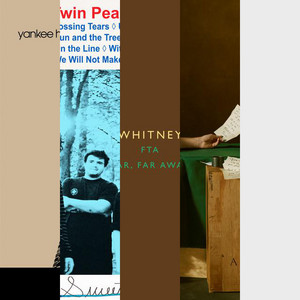
With Pitchfork (founded in Chicago) amplifying new bands, the city’s scene gained global attention. Wilco’s “Yankee Hotel Foxtrot” became a touchstone for artful, studio‑driven indie rock. Parallel strands flourished: experimental song forms (Joan of Arc), math‑curious indie (Maps & Atlases), and chamber/indie‑folk hybrids (Andrew Bird, Califone). The live circuit (Empty Bottle, Metro, Schubas) and summer festivals (Pitchfork Music Festival, Lollapalooza) solidified a pipeline from local rooms to national stages.

2010s–present: New wave, new textures

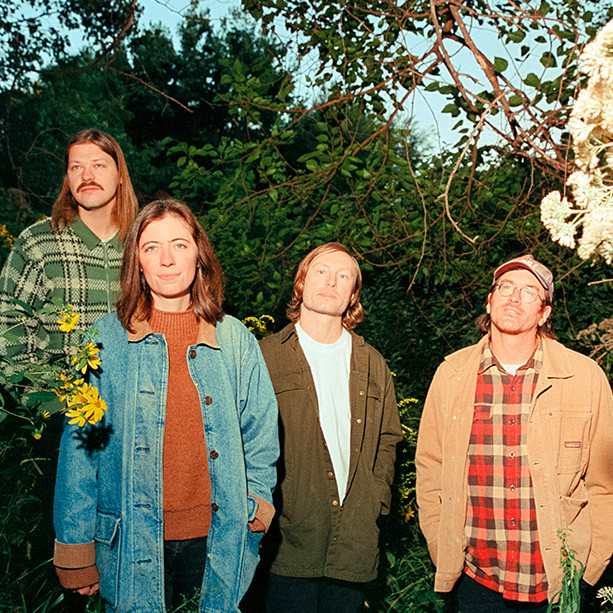
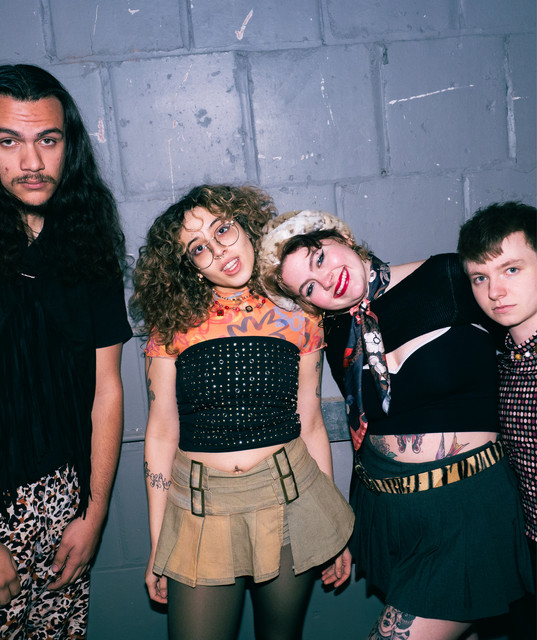
A younger wave—Smith Westerns (members later forming Whitney), Twin Peaks, Dehd, Ratboys, Horsegirl—reenergized the scene with garage sparkle, surf‑tinged post‑punk edges, and tender indie‑folk hues. The city’s collaborative spirit persisted: bands share members, producers, and rehearsal spaces, while small labels and studios keep recording aesthetics intimate and dynamic. Chicago indie today remains stylistically diverse but consistently values songcraft, rhythmic interest, and community‑minded DIY practices.

How to make a track in this genre

Core palette
•   Instruments: two guitars (one for interlocking riffs/jangle, one for textures or leads), electric bass with melodic movement, live drums with a dry, present kit; optional keys/synths, vibraphone (a Chicago hallmark via post‑rock), violin or pedal steel for folk/alt‑country colors. •   Production: favor warm, organic tones; minimal over‑processing; leverage room mics and dynamic takes. Aim for clarity in the rhythm section and interplay between parts.
Rhythm and groove
•   Start with steady 4/4 but incorporate syncopation, broken hi‑hat patterns, and subtle metric surprises. Borrow post‑rock habits: ostinatos, patient builds, and dynamic swells. •   Bass should be melodic and conversational with the drums rather than only root‑supportive.
Harmony and melody
•   Use diatonic clarity with tasteful color: add sus2/4, 7ths, and 9ths; occasional modal interchange for bittersweet turns. •   Counter‑melodies between guitar and vocals reinforce the song’s hook without crowding the mix.
Lyrics and themes
•   Introspective, image‑rich, and conversational. Blend everyday Chicago textures (urban winters, train lines, neighborhood bars) with reflective inner narratives. Keep metaphors concrete and emotionally grounded.
Arrangement and dynamics
•   Build songs around interlocking parts rather than thick layers. Leave space so each instrument has a defined role. •   Use dynamic arcs: quiet intros, mid‑song peaks, and restrained codas. Allow sections to breathe; resist over‑compression.
Variants to explore
•   Post‑rock lean: add vibraphone, minimalist motifs, and longer instrumental passages. •   Indie‑folk/alt‑country lean: incorporate acoustic guitar, violin or pedal steel, and brushed drums; keep lyrics front‑and‑center. •   Garage/jangle lean: brighter guitars, brisk tempos, and live‑to‑tape energy.
Practical tips
•   Track live basics to capture feel; overdub textures later. •   Prioritize memorable rhythmic figures and guitar interplay over sheer density. •   Reference Chicago touchstones (Drag City/Thrill Jockey sonics) for mix decisions: present mids, natural transients, and dynamic headroom.

Top tracks

Locked
Share your favorite track to unlock other users’ top tracks
Influenced by
Has influenced
Challenges
Digger Battle
Let's see who can find the best track in this genre
© 2025 Melodigging
Melodding was created as a tribute to Every Noise at Once, which inspired us to help curious minds keep digging into music's ever-evolving genres.
Buy me a coffee for Melodigging