Your digging level
Description
Revolution Summer refers to a short but pivotal 1985 movement in Washington, D.C.'s punk scene that redirected local hardcore toward more melodic, emotionally direct, and socially conscious music.
Bands retained punk's speed and DIY attack but introduced dynamic shifts, cleaner guitar tones alongside crunch, octave-melody leads, and lyrics that were personal, reflective, and anti-macho—often intertwined with community activism. The sound bridged hardcore punk with post-punk textures and laid crucial groundwork for emo and post-hardcore.


History
Revolution Summer was a deliberate re-centering of the D.C. punk community in 1985, catalyzed by artists and organizers in the Dischord Records orbit. In reaction to growing violence and machismo in hardcore, members of the scene (often citing Dischord’s Amy Pickering’s rallying cry) pushed for shows and songs that were inclusive, reflective, and emotionally candid, without abandoning punk’s urgency.
Musically, bands blended the velocity and tightness of hardcore punk with post-punk’s dynamics, melody, and textural guitar interplay. Vocals moved between shouts and tuneful lines; guitars favored octave riffs, suspended chords, and clean-to-dirty contrasts; songs emphasized tension-and-release over brute force. Lyrically, personal vulnerability, interpersonal politics, and ethical self-scrutiny replaced stock aggression.
The movement tied music-making to community action: all-ages shows, anti-violence norms, zines, and benefit gigs (often overlapping with Positive Force D.C.). The ethos foregrounded inclusivity, anti-sexism, and DIY mutual aid, redefining what punk in D.C. could be.
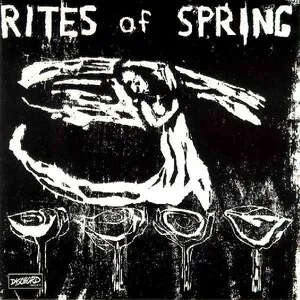
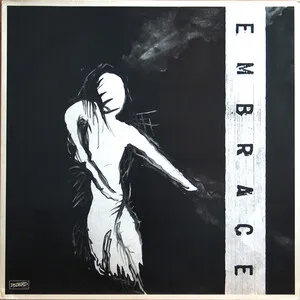
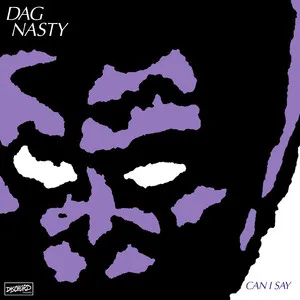
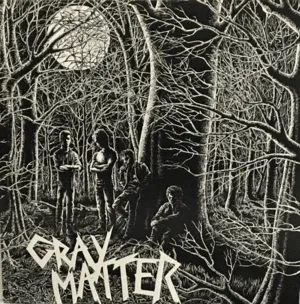
Groups like Rites of Spring, Embrace, Gray Matter, Beefeater, Dag Nasty, Soulside, Ignition, and One Last Wish released cornerstone material on Dischord. These records demonstrated how hardcore energy could coexist with melodic writing and confessional intensity.
Though brief, Revolution Summer profoundly shaped emo’s first wave and set the template for post-hardcore’s dynamics and conscience. Its ethics and aesthetics rippled into later D.C. bands, the wider U.S. indie underground, and subsequent movements emphasizing personal-political expression and DIY community care.
Use a classic punk setup: two electric guitars, bass, drums, and voice. Dial in a responsive, dynamic guitar sound—clean-to-crunch transitions, chorus or light reverb for atmosphere, and mid-forward distortion that preserves note clarity. Bass should be melodic but driving; drums tight, punchy, and human rather than hyper-processed.
Keep tempos in the mid-to-fast punk range, but favor dynamic contrasts over constant blast. Write compact songs (2–3 minutes) with clear tension-and-release arcs: quiet intros opening into cathartic choruses, or sudden drops that highlight vocals. Incorporate stop-start breaks and syncopated accents to add drama without losing momentum.
Center on minor keys, modal inflections, and suspended/power chords. Use octave leads and interlocking dual-guitar lines to create motion without excessive technicality. Aim for melodies that can be shouted or sung—direct, memorable, and emotive.
Write candid, introspective lyrics that confront personal responsibility, community, and anti-macho values alongside broader social concerns. Deliver vocals with conviction—melodic lines that can break into impassioned yells at climactic points. Avoid posturing; prioritize sincerity and clarity.
Record live where possible to capture chemistry and dynamics. Keep production raw-but-readable: clear instrument separation, energetic drum room sound, and minimal overdubs.
Embrace DIY principles—zines, all-ages spaces, and benefit shows—and let the ethical stance inform performance intensity and crowd connection.

Top albums
Best playlists