Your digging level for this genre

0/8
🏆
Sign in, then listen to this genre to level up

Description

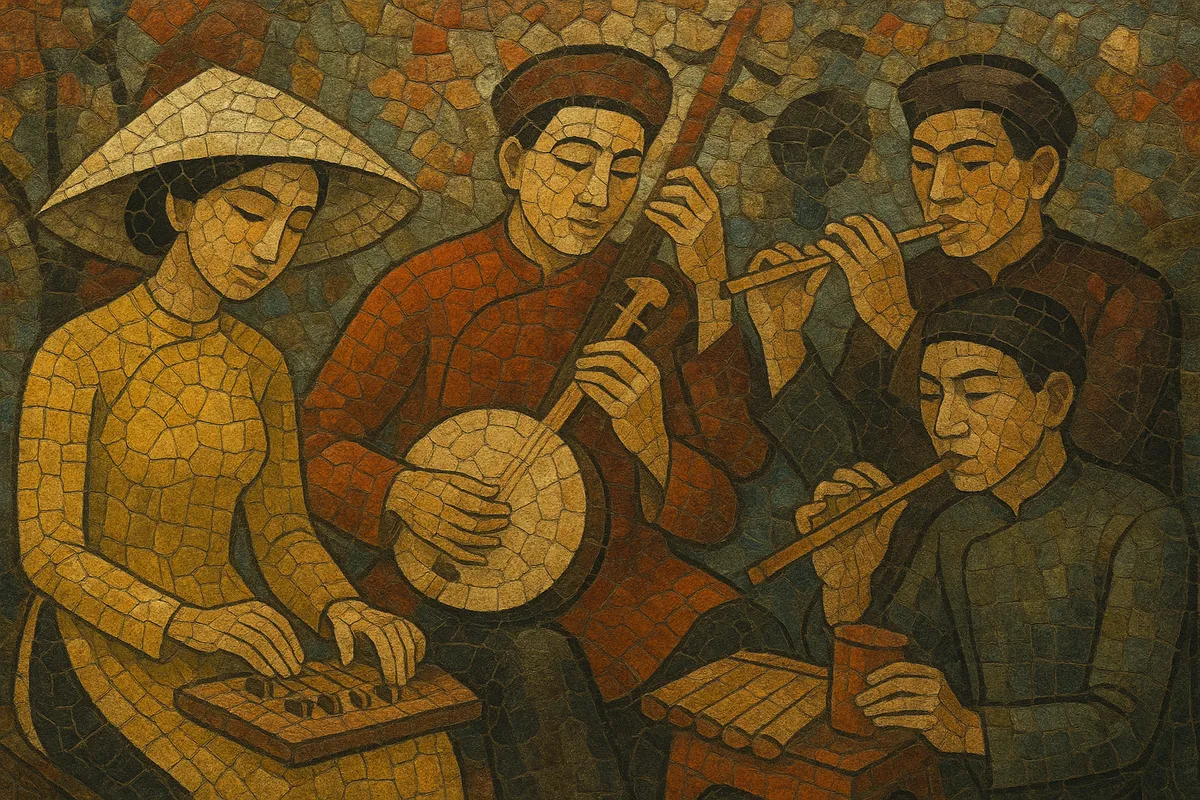
Vietnamese music is an umbrella term for the traditional, courtly, folk, and popular musics of Vietnam, spanning millennia of development and reflecting influences from neighboring East and Southeast Asia as well as later European and American styles.

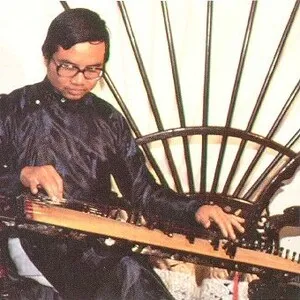
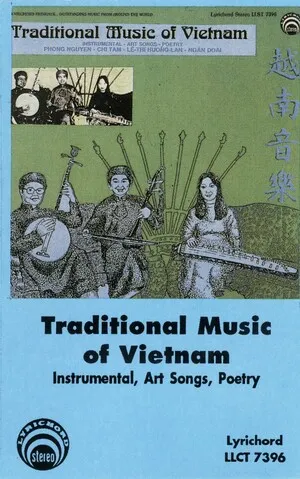
At its core, traditional Vietnamese music is modal, largely pentatonic, and highly vocal, with genres tied to regional dialects, poetic forms, and ceremonial contexts. Characteristic timbres come from instruments such as đàn bầu (monochord), đàn tranh (16‑string zither), đàn nguyệt (moon lute), đàn nhị (two‑string fiddle), sáo trúc (bamboo flute), and a rich array of drums and gongs.

Since the early 20th century, Vietnam’s popular styles incorporated Western harmony, dance rhythms (waltz, tango), chanson aesthetics, and later rock, pop, hip hop, and EDM, resulting in distinct currents such as nhạc tiền chiến (pre‑war songs), nhạc đỏ (revolutionary music), nhạc vàng/bolero Việt Nam, and contemporary V‑Pop and Vinahouse.

History

Early foundations (10th–18th centuries)
•   With the formation of Đại Việt (10th–11th centuries), courtly traditions flourished, synthesizing indigenous practices with strong Sinitic influences in ritual, opera, and instrumental ensembles. •   Court music and related classical forms developed modal systems, pentatonic scales, and refined performance aesthetics; regional folk repertories (lullabies, work songs, ritual and festival music) diversified across the Red River Delta, Central Vietnam, and the Mekong.
Courtly, classical, and folk lineages
•   Classical and theatrical genres such as hát tuồng (classical theatre), chèo (satirical musical theatre), cải lương (reformed theatre), ca trù (chamber/ritual song), nhã nhạc/guoyue (courtly repertories), quan họ (antiphonal love duets), and xẩm (street ballad singing) became emblematic pillars of Vietnamese musical identity. •   These forms feature flexible rhythm, ornamented vocal lines aligned to tonal prosody, heterophonic textures, and idiomatic use of plucked zithers, lutes, and bamboo flutes.
Colonial era and pre‑war popular song (late 19th–1945)
•   French cultural presence introduced Western notation, harmony, salon genres, and dance forms (waltz, tango, chanson). Composers of nhạc tiền chiến blended Vietnamese lyricism and poetry with European harmonic syntax, creating a sophisticated art‑song/pop continuum.
1945–1975: Divergent currents
•   Nhạc đỏ (revolutionary music) championed patriotic themes with choral and martial colors in the North. •   In the South, urban popular music absorbed bolero and Latin influences, leading to nhạc vàng and the Vietnamese bolero tradition—intimate, sentimental ballads with lilting dance rhythms.
Diaspora, Đổi Mới, and contemporary scenes (1975–present)
•   Post‑1975 diaspora networks preserved and evolved pre‑1975 repertories abroad, influencing domestic revivals. •   Economic reforms (Đổi Mới) opened the market to global pop, rock, R&B, hip hop, EDM, and later K‑pop/J‑pop aesthetics. V‑Pop emerged as a national brand, while Vinahouse localized EDM for clubs and festivals. •   Indie and hip hop scenes expanded alongside revivals of traditional genres, with crossovers such as tân cổ giao duyên blending cải lương melos with pop balladry.

How to make a track in this genre

Core musical language
•   Scales and modes: Favor pentatonic frameworks and traditional modal flavors (hơi Bắc – bright/festive; hơi Nam – warm/lyrical; hơi Oán – plaintive/ornamented). Align melodic contour to Vietnamese tonal prosody so that syllable tones feel natural when sung. •   Texture: Use heterophony—multiple instruments/voice lines ornamenting the same melody—to evoke traditional ensemble sound.
Instrumentation
•   Traditional palette: đàn bầu (expressive glissandi), đàn tranh, đàn nguyệt, đàn nhị, sáo trúc, trống (drums), and small percussion. Combine with voice as the focal carrier of poetry. •   Contemporary palette: Add acoustic guitar/piano for ballads; full band for pop/rock; synths, 808s, and side‑chained pads for V‑Pop/EDM; boom‑bap or trap drums and sampled instruments for hip hop fusions.
Rhythm and form
•   For folk/classical: Flexible pulse with rubato and cadential elongations; cyclical drum/percussion patterns in ritual or theatre contexts. •   For pop/bolero: Steady 4/4 with characteristic bolero patterns (bass‑arpeggio lilt), or slow waltz (3/4) for pre‑war ballad feel; verse–pre–chorus–chorus song forms with memorable hooks.
Harmony and melody
•   Blend simple Western progressions (I–vi–IV–V, ii–V–I) with pentatonic melodies. Use modal mixture and suspended tones to maintain Vietnamese color. Ornament vocal lines with slides, turns, and micro‑inflections reminiscent of cải lương or ca trù singing.
Lyrics and themes
•   Draw on lục bát and other Vietnamese poetic meters; themes often include love, nature, longing (nhớ/nhung), hometown landscapes, and reflective nostalgia. Ensure diction respects tone marks and natural word stress to keep melodies singable.
Production tips
•   Layer traditional instruments subtly under modern arrangements for authenticity. Prioritize clear, intimate vocals; use gentle compression and plate reverbs for ballads, and brighter, side‑chained mixes for Vinahouse/EDM. •   For hip hop crossovers, sample traditional instruments or theatre chants, then anchor with modern drums and bass while leaving space for lyrical flow.

Top tracks

Locked
Share your favorite track to unlock other users’ top tracks
Influenced by
Has influenced
Challenges
Digger Battle
Let's see who can find the best track in this genre
© 2025 Melodigging
Melodding was created as a tribute to Every Noise at Once, which inspired us to help curious minds keep digging into music's ever-evolving genres.
Buy me a coffee for Melodigging