Your digging level
Description
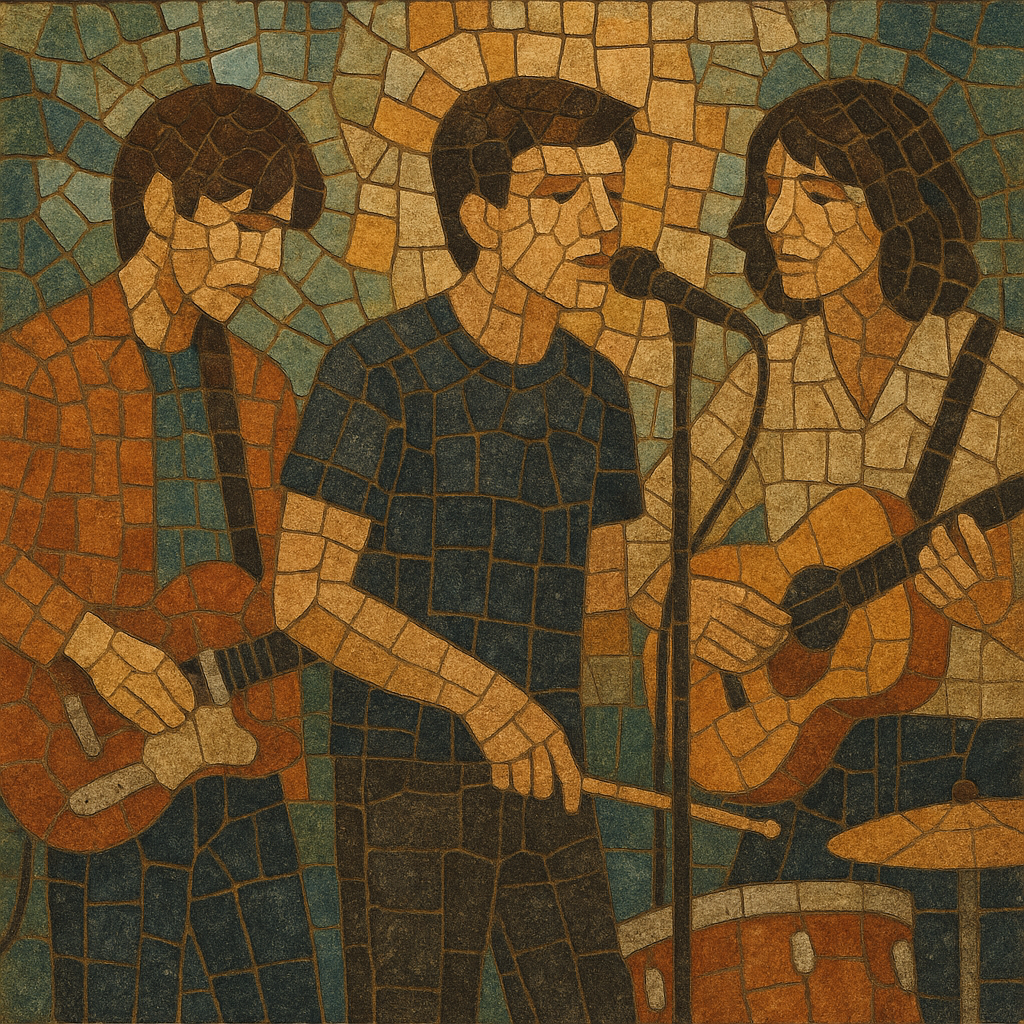
Melbourne indie refers to the wave of independent guitar music centered on Melbourne, Australia, known for jangly, interlocking guitars, dry and conversational vocals, and lyrics that observe everyday urban life with wit and understated feeling.
Stylistically, it draws on classic jangle pop and post‑punk’s economy, filtered through a DIY, lo‑fi ethic. Tempos range from relaxed, mid‑tempo strolls to brisk, chiming propulsion; arrangements often feature multiple guitars weaving countermelodies over a melodic, driving bass and unflashy, tight drums. The overall tone balances laconic charm with quietly emotive, nostalgic hues.
History
Melbourne has sustained an active independent-rock ecosystem for decades, but the sound identified as “Melbourne indie” cohered in the late 2000s and early 2010s. It took cues from earlier Australian jangle and garage traditions, the Dunedin Sound across the Tasman, and post‑punk minimalism, channeling these into a distinctly local sensibility—laconic, observational, and guitar-forward.
A dense network of venues (e.g., The Tote, Northcote Social Club, The Corner), community radio, and DIY labels (such as Chapter Music, Bedroom Suck, and Milk! Records) enabled a steady churn of bands and releases. Out of this infrastructure came a cluster of groups whose crisp guitars and diary-like lyrics defined the scene. The related micro‑movement dubbed “dolewave” highlighted the scene’s suburban imagery, jangly tones, and unvarnished recording approach.
By the mid‑to‑late 2010s, Melbourne indie traveled well beyond Australia. International touring and critical attention around artists like Courtney Barnett and Rolling Blackouts Coastal Fever brought the city’s chiming guitars and conversational songwriting to a global audience, reinforcing Melbourne’s reputation as a contemporary guitar‑music capital.
The scene remains prolific, with overlapping circles of musicians forming new projects, small labels fostering debuts, and a continued emphasis on tuneful guitar interplay, economical arrangements, and sharply observed lyric writing.
How to make a track in this genre
Use two or more clean or lightly overdriven electric guitars with bright, jangly tones (single‑coil pickups, light chorus or subtle reverb). Arrange interlocking parts: one guitar carrying chiming chords or arpeggios, the other answering with short melodic hooks. Keep bass melodic but supportive, often moving contrapuntally beneath the guitars. Drums should be tight and unfussy—steady eighths on hi‑hat, snare on 2 and 4, tasteful fills.
Favor diatonic progressions in major keys (I–IV–V, I–vi–IV–V) with occasional modal color (mixolydian) or borrowed chords for lift. Melodies are catchy yet conversational, often sitting within a modest vocal range. Tempos typically span 90–140 BPM; even at faster tempos, keep the feel unhurried and buoyant.
Write observational, slice‑of‑life lyrics that capture everyday details—suburban streets, share‑house dynamics, transit, weather, and quiet personal shifts. Use plain language, understated humor, and specificity. Deliver vocals in a relaxed, unforced style that embraces natural accent and phrasing.
Lean into a DIY aesthetic: close‑miked guitars, minimal compression, and room ambience for realism. Double‑track guitars for shimmer; avoid over‑layering. Keep vocals present and dry to foreground the storytelling. Master for clarity rather than loudness.
Use concise forms (intro–verse–chorus–verse–chorus–bridge–chorus), adding a brief instrumental break to showcase guitar interplay. Build dynamics through arrangement—drop to bass/drums under a verse, bring both guitars back for choruses, and save the brightest countermelodies for the final refrain.