Your digging level
Description
Indie anthem-folk blends the intimate storytelling and acoustic textures of indie folk with the big, festival-ready hooks and dynamics of anthemic pop-rock.
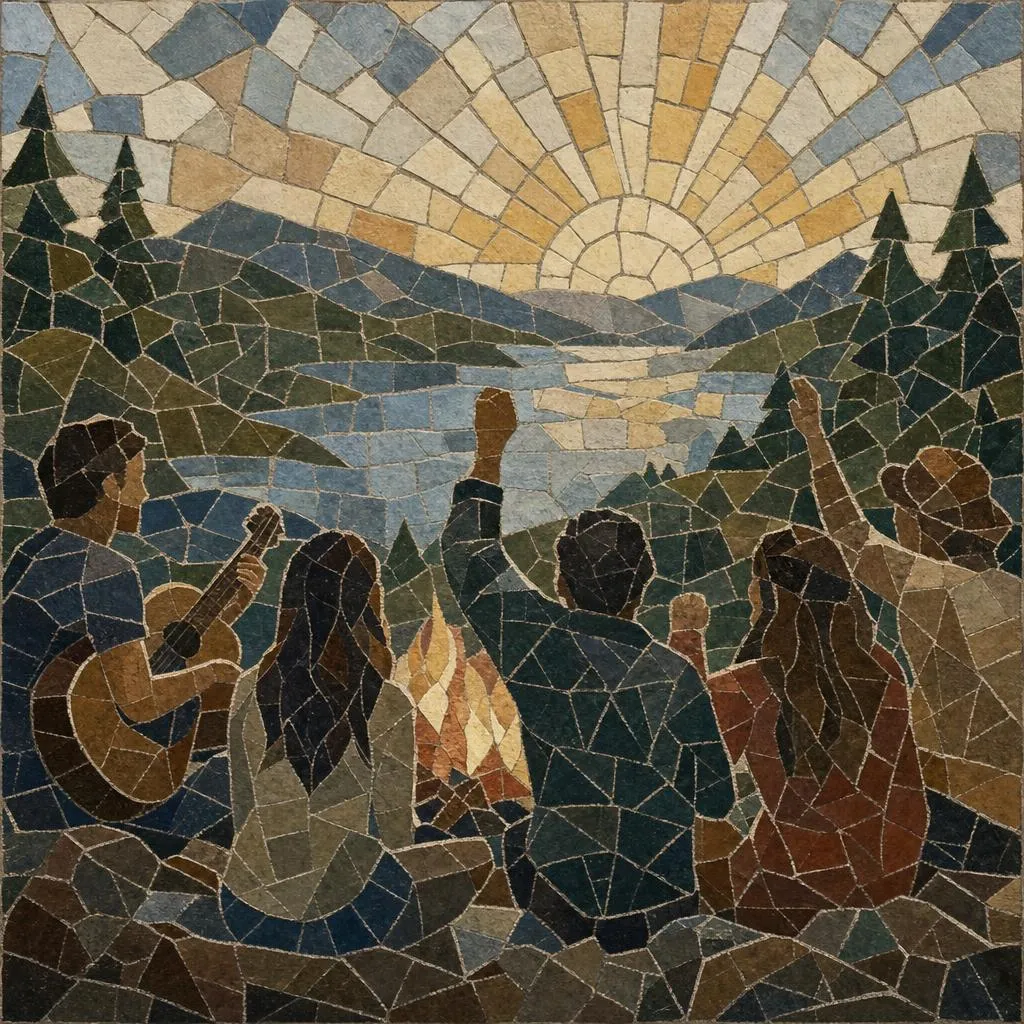
You’ll hear stomping four-on-the-floor kick patterns, clap-and-tambourine backbeats, and rousing gang vocals that swell into shout-along choruses. Acoustic guitars, banjo, mandolin, and occasional fiddle carry bright, diatonic melodies, while floor toms, handclaps, and “whoa-oh” refrains turn small ideas into communal singalongs.
Lyrically, it leans into themes of resilience, friendship, wanderlust, and hopeful nostalgia—music designed for campfire intimacy that scales to arena-sized catharsis.
History
Indie anthem-folk emerged as indie folk acts began writing bigger, more communal songs. The acoustic revival that followed the 2000s indie rock boom set the stage: groups embraced banjo, mandolin, and hand percussion but aimed for festival-scale impact rather than coffeehouse intimacy.
The wave crystallized in the early 2010s as bands released charting singles built on stomp-and-clap grooves and shout-along hooks. Radio programmers and festivals embraced the sound, which translated effortlessly to large crowds. Streaming-era playlists further amplified the style by bundling uplifting, acoustic-forward anthems.
The genre’s identity was shaped by the live experience: gang vocals, floor toms, and call-and-response choruses encouraged audience participation. Production aesthetics mirrored this—roomy drums, natural reverb on vocals, and wide, layered harmonies brought the energy of a field singalong into studio recordings.
As the initial boom cooled, its aesthetics—gang vocals, acoustic-drive rhythms, and hopeful, communal refrains—diffused into modern indie pop, UK alternative pop, and pop worship. While some bands pivoted toward rock or pop, the style’s toolkit remains a go-to for crafting uplifting, festival-ready songs.


Top albums