Your digging level
Description
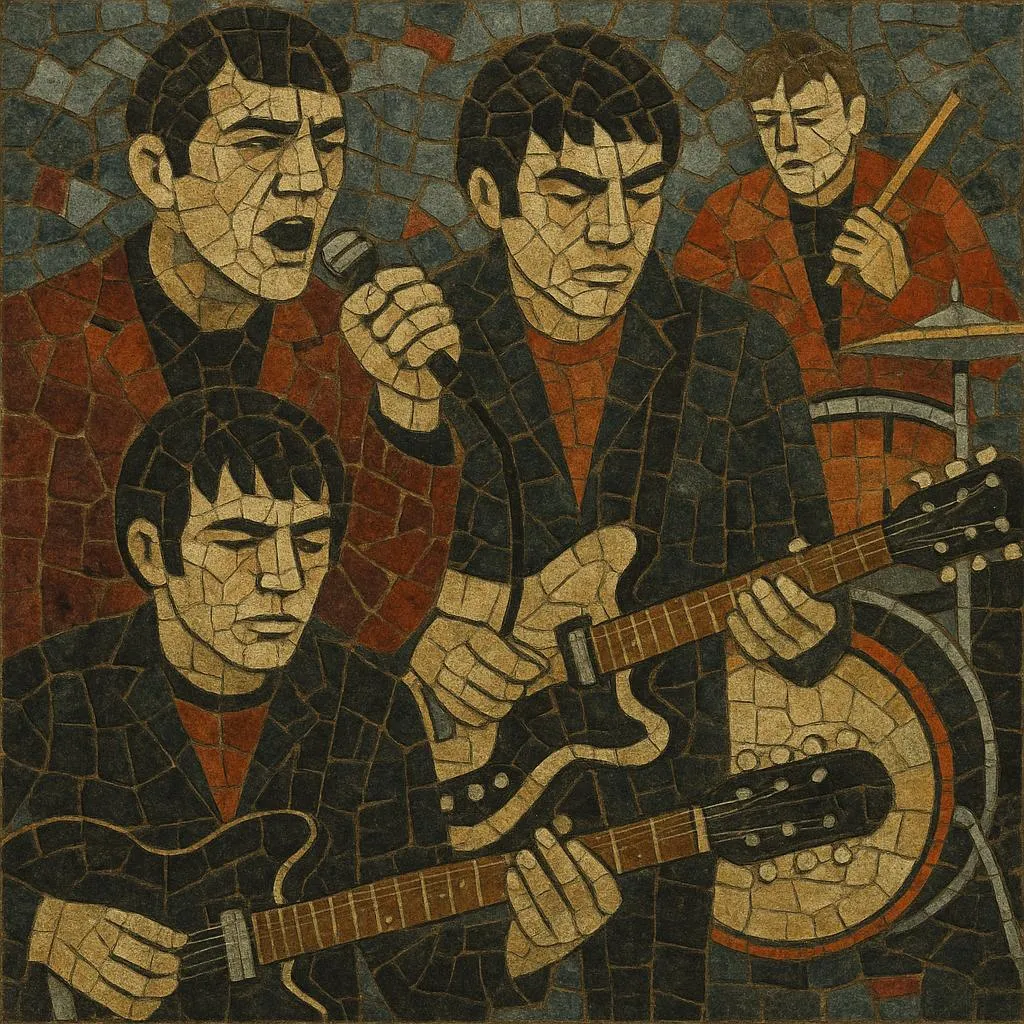
The Medway sound is a raw, back-to-basics garage/beat aesthetic that emerged from the Medway Towns in Kent, England. It favors overdriven guitars, pounding 4/4 rhythms, snarling, distinctly British vocals, and simple, hooky songs that rarely exceed three minutes.
Stylistically it draws on 1960s British R&B and beat groups, proto‑punk energy, and surf/rock’n’roll twang, often colored by combo-organ riffs. Recordings are intentionally lo‑fi and immediate—usually cut live to tape with minimal overdubs—prioritizing feel and attitude over polish.
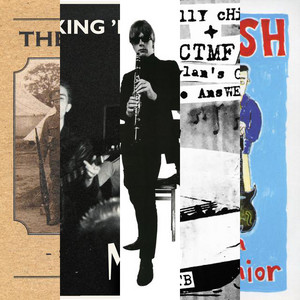
The scene is closely associated with the prolific artist Billy Childish and a constellation of bands (often prefixed with “Thee”), whose DIY ethos, hand‑made sleeves, and relentless gigging forged a recognizable, hard‑edged, retro‑modern sound sometimes nicknamed the “Medway Delta.”
History
The Medway sound coalesced in the Medway Towns (notably Chatham) in Kent, England, amid post‑industrial decline and a vibrant local DIY culture. After playing late‑1970s UK punk with The Pop Rivets, Billy Childish spearheaded a tougher, retro‑leaning garage/R&B direction with Thee Milkshakes and Thee Mighty Caesars. Parallel to this, The Prisoners revived a mod‑garage approach, using combo‑organ hooks and sharp songcraft. Collectively these groups forged a raw, fast, and unfussy approach that referenced 1960s British beat and American garage while retaining the immediacy of punk.
Local labels, zines, and small venues sustained the scene, while hand‑assembled sleeves and lo‑fi recording reinforced its anti‑slick identity. The moniker “Medway Delta” (wryly nodding to Mississippi blues) captured both the geographic specificity and roots‑minded stance of the music.
Through the late 1980s and 1990s, Childish’s bands (Thee Headcoats, Thee Headcoatees) and allies (The Dentists, The Claim, The Singing Loins) kept the aesthetic alive, issuing a torrent of 7‑inches and albums via independent labels (e.g., Hangman, Damaged Goods, and others). The music remained steadfastly raw: blown‑out guitar, stomping drums, and caustic, plain‑spoken lyrics about everyday frustrations, art‑world skirmishes, and love gone wrong.
In the 2000s, iterations like The Buff Medways and later CTMF sustained the blueprint. International garage revivals—from lo‑fi indie to punk‑blues duos—absorbed elements of the Medway ethos: brevity, tape‑saturated abrasion, and a proudly amateur (in the best sense) directness. The sound’s emphasis on attitude over adornment helped shape later garage‑punk, indie garage, and lo‑fi waves, while remaining a living local tradition centered on Kent and the UK underground.
The Medway sound is as much an ethic as a style: write fast, record faster, make the sleeve yourself, and keep the signal hot. It rejects studio gloss in favor of urgency, making the performance—warts and all—the point.