Your digging level
Description
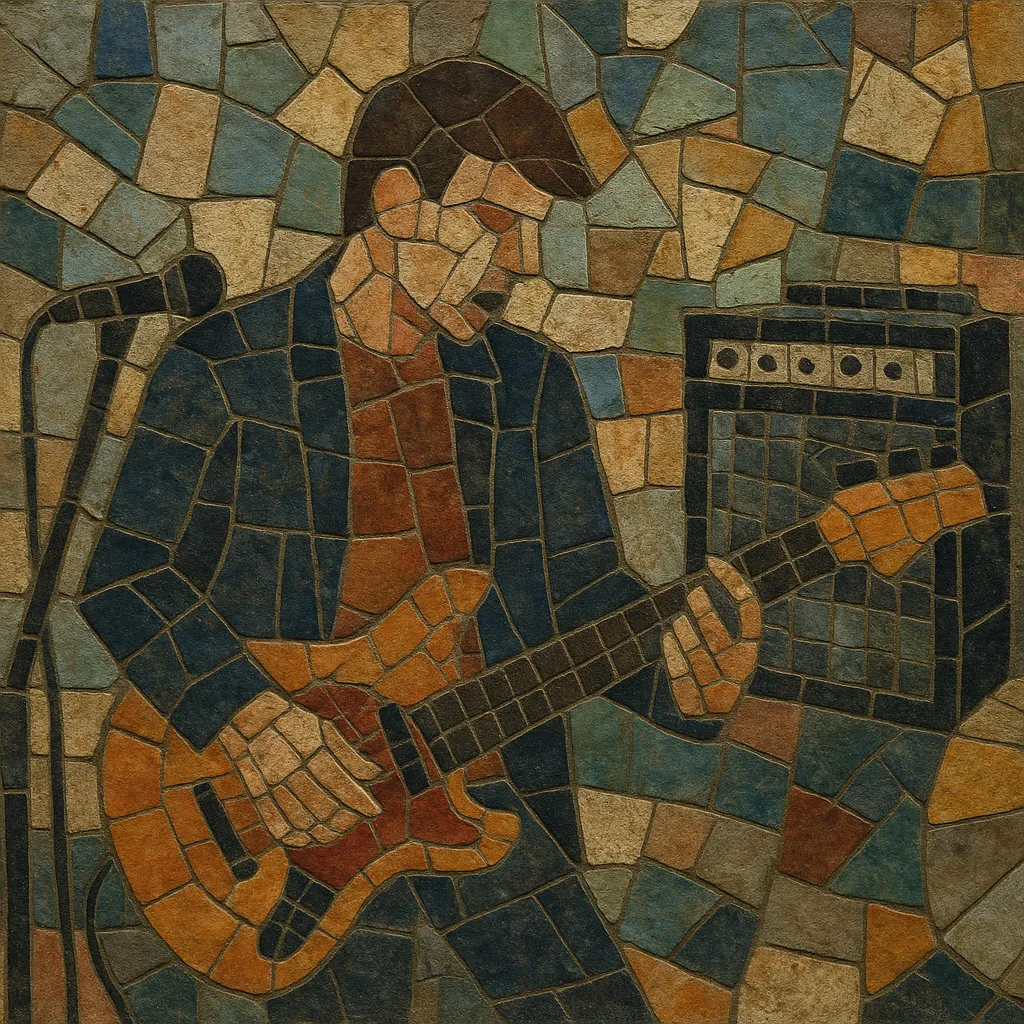
Hamburger Schule (Hamburg School) is a German music movement that emerged in the late 1980s and flourished through the early-to-mid 1990s.
It takes the sharp, artful spirit of Neue Deutsche Welle and fuses it with indie rock, punk, grunge textures, and strains of experimental pop. What most defines the style—beyond its guitar-forward alternative sound—is its intellectually ambitious, often politically engaged, and literary German‑language lyricism. Bands used irony, social critique, and existential reflection to establish new ground for how the German language could function in pop and rock, pairing brainy content with hooky, guitar-based arrangements.
While centered on Hamburg’s labels, venues, and DIY infrastructure, the term also came to describe a broader German‑language indie ecosystem that prized thought-provoking texts as much as it did raw energy and catchy choruses.
History
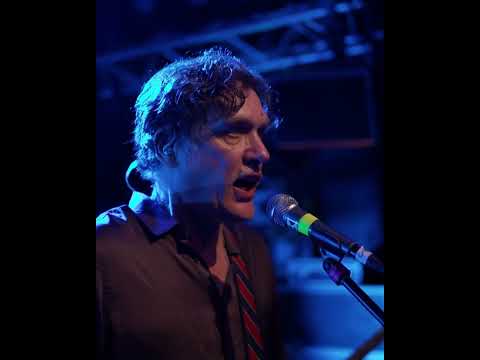
Hamburger Schule coalesced in Hamburg at the tail end of the 1980s, catalyzed by small labels and collectives (notably L'Age D'Or and Buback) and a tight club circuit. Drawing on the attitude and wordplay of Neue Deutsche Welle while rejecting its most commercial excesses, early bands pursued a more literate, critical, and DIY indie aesthetic. Early antecedents and scene-adjacent punk outfits in Hamburg (e.g., Die Goldenen Zitronen) helped seed the ethos.
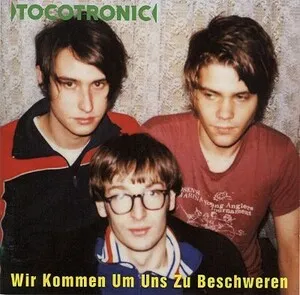
In the early 1990s, flagship groups such as Blumfeld and Die Sterne defined the sound: jangling and distorted guitars, sturdy indie rhythms, and lyrics that folded social theory, personal politics, and everyday alienation into singable hooks. Tocotronic’s arrival from the mid‑1990s broadened the school’s reach, pairing slacker/post‑punk energy with sharp German‑language slogans. The period also saw experimentation—some bands flirted with noisier textures, others with cleaner pop arrangements—while retaining the scene’s core: intellectual German texts over alternative guitar music.
Hamburger Schule’s most enduring contribution was linguistic: it normalized German as a supple, contemporary pop‑rock language after a decade when English or broad-stroke NDW tropes often dominated. Its lyrics referenced critical theory, urban life, identity, and media, using irony and ambiguity instead of blunt sloganeering. This reoriented expectations of what German‑language indie could sound like and say.
By the late 1990s and 2000s, the first wave’s influence radiated outward. New labels (e.g., Grand Hotel van Cleef) and later acts (Kettcar, Tomte, others) absorbed the template—thoughtful German lyrics plus melodic, guitar-centered indie—into broader German alternative and indie-pop ecosystems. Though the term "Hamburger Schule" specifically evokes a time/place, its aesthetic—informed, critical, hook‑savvy—remains a reference point for German indie today.