Your digging level

For this genre
0/8
🏆
Sign in, then listen to this genre to level up

Description

Música rondoniense refers to the contemporary music made in the Brazilian state of Rondônia, a borderland of the western Amazon.

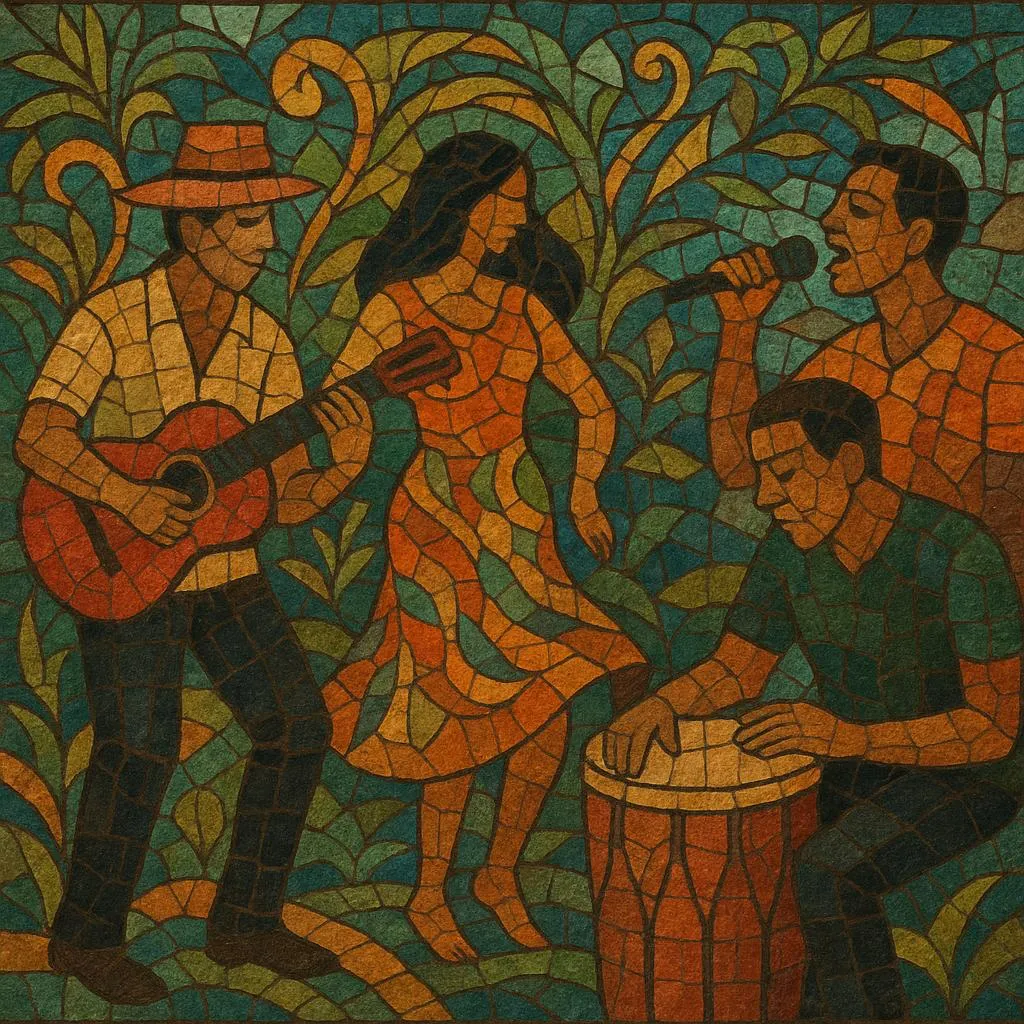
Rather than a single stylistic formula, it is a regional umbrella that blends national Brazilian currents (rock, MPB, hip hop, sertanejo and forró) with northern Amazonian flavors (carimbó, lambada swing, brega/tecnobrega’s electronic sheen) and the rhythmic feel of local festas and street percussion. Lyrics are typically in Portuguese and often reference Amazonian geography, migration stories, small‑city life in Porto Velho and the Madeira–Mamoré region, border exchanges with Bolivia, and the heat and nightlife of the North.

The scene is strongly DIY: independent bands, rap crews, and metal outfits share stages and studios, circulate through local festivals and university events, and distribute their work via social media and streaming platforms.


Sources: Spotify, Wikipedia, Discogs, RYM, MB, user feedback and other online sources

History

Origins (2000s)

Rondônia’s modern scene consolidated in the 2000s as affordable home recording and early social networks (Orkut/MySpace) enabled local bands and MCs to produce and share original work. Bars and community stages in Porto Velho became hubs where rock groups, forró acts, and emerging rappers alternated sets.

Consolidation and Diversification (2010s)

Throughout the 2010s, the ecosystem widened: indie rock and metal coexisted with sertanejo universitário and hip hop, while producers folded Northern Brazilian references—carimbó’s circular grooves, lambada sway, and the shiny synth palette of brega/tecnobrega—into pop and electronic tracks. Small festivals and university weeks helped new artists find audiences, and local studios improved overall production quality.

Digital Acceleration and Present Day (2020s)

Streaming services, video platforms, and DIY distribution now anchor música rondoniense. Collaborative projects (band–MC features, acoustic studio sessions, rap cyphers) are common, and artists leverage short‑form video to reach beyond the state. While stylistically diverse, the scene retains a regional identity through timbral choices (percussion, bright synths), danceable pulses, and storytelling rooted in the Amazonian North.

How to make a track in this genre

Rhythm and Groove
•   Start from danceable Brazilian meters: forró xote/baião feels (2/4 with syncopated bass), or incorporate carimbó/lambada swing (emphasis on off‑beats and circular percussion patterns). •   Layer street‑band percussion (surdo, caixa, agogô, ganzá) or sampled equivalents to mimic local parade energy.
Harmony and Melody
•   Combine accessible pop/rock harmony (I–V–vi–IV; ii–V–I for MPB colors) with modal touches (Dorian/Aeolian) for a darker Amazonian hue. •   Use bright, singable hooks; electric guitars can alternate jangly verse textures with overdriven choruses; keyboards/synths can reference tecnobrega with saw leads and shimmering pads.
Sound Design and Production
•   Blend organic percussion with electronic beats; side‑chain pads and bass to create modern bounce. •   For hip hop, pair boom‑bap or trap drums with regional samples (hand percussion, festival chants) and bright synth motifs. •   Keep vocals upfront and intelligible; layered gang responses work well in anthemic choruses.
Lyrics and Themes
•   Write in Portuguese and anchor narratives in local imagery: rivers (Madeira/Mamoré), border life, migration, festas juninas, heat and rain, and small‑city romance. •   Rock/metal can emphasize resilience and frontier identity; rap can mix social commentary with autobiographical vignettes.
Performance and Arrangement
•   Arrange sets to move from groove‑heavy openers to sing‑along choruses and finish with a high‑energy number that leans on percussion breaks. •   Encourage audience call‑and‑response and polyrhythmic clapping to echo local party dynamics.

Main artists

Top tracks

Locked
Share your favorite track to unlock other users’ top tracks

Upcoming concerts

in this genre
Influenced by
Has influenced
No genres found

Download our mobile app

Get the Melodigging app and start digging for new genres on the go
© 2026 Melodigging
Melodding was created as a tribute to Every Noise at Once, which inspired us to help curious minds keep digging into music's ever-evolving genres.
Buy me a coffee for Melodigging