Your digging level

For this genre
0/8
🏆
Sign in, then listen to this genre to level up

Description

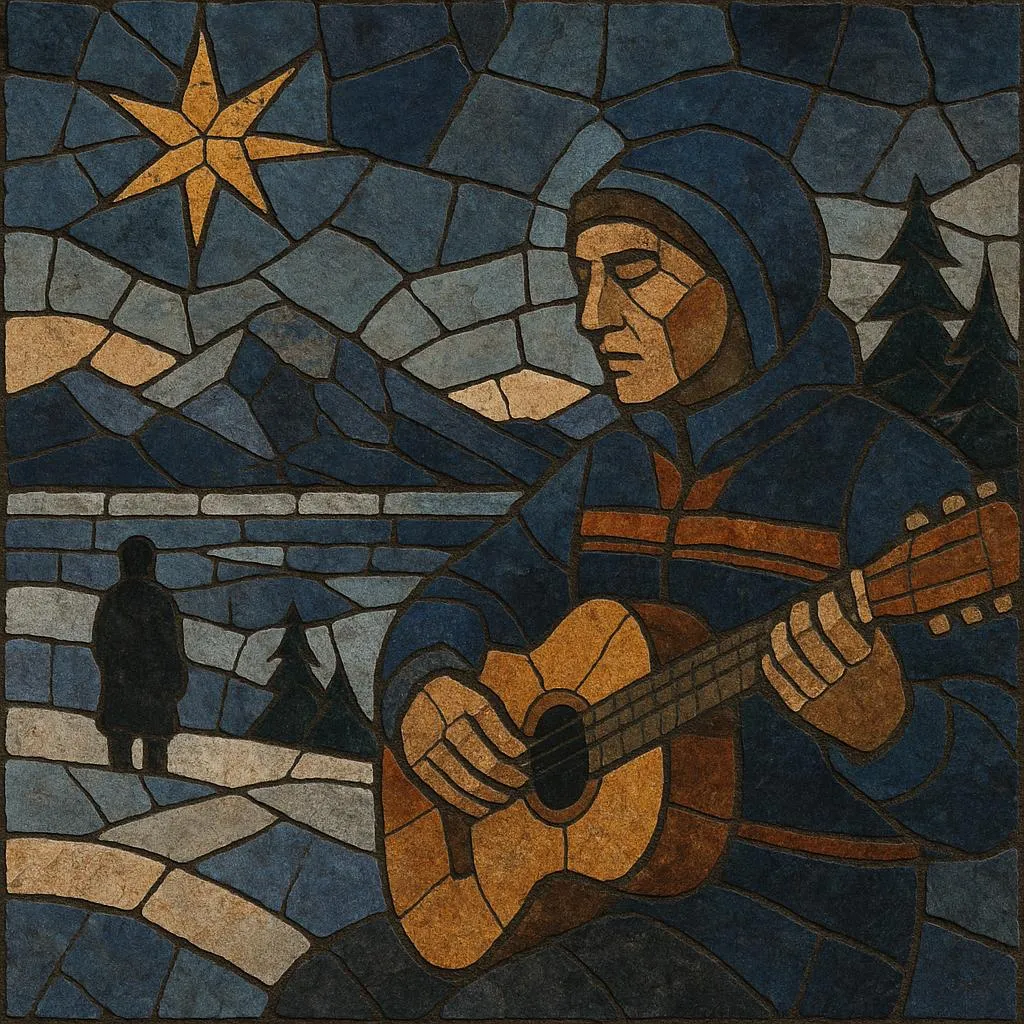
Musiikkia Lapista ("music from Lapland") is a regional umbrella for the contemporary sounds emerging from Finland's far north. It blends Sámi vocal and folk traditions with Finnish-language rock, indie-pop, electronic music, and even metal, all colored by Arctic imagery and spacious, frost-tinged production aesthetics.

While no single rhythm or harmony defines it, the scene is instantly recognizable by its contrasts: ancient joik-like vocal phrasing set against modern drums and synths; roomy, reverb-laden guitars evoking tundra horizons; and lyrics in Northern Sámi, Inari Sámi, Skolt Sámi, and Finnish that reflect reindeer herding, rivers, midnight sun, and polar night. The result is a living, place-defined sound world where tradition and experimentation coexist.


Sources: Spotify, Wikipedia, Discogs, RYM, MB, user feedback and other online sources

History

Origins

The foundation of Musiikkia Lapista rests on centuries-old Sámi musical traditions—most notably joik (yoik)—and on Northern Finnish folk practices. As recording technology and national broadcasting reached the Arctic, field documentation and early studio sessions brought these voices further south, setting the stage for a wider awareness.

1970s–1990s: Revival and Crossover

A cultural revival across Sápmi in the 1970s and 1980s fostered new presenters of joik and Northern folk. In Finland’s Lapland, these traditions started to intersect with folk-rock, pop, and ambient electronics. By the 1990s, local bands and singer-songwriters from Rovaniemi, Kemi, Inari, and Utsjoki were touring nationally, merging joik-like phrasing and regional storytelling with contemporary arrangements.

2000s–Present: Diversification and Global Reach

In the 21st century, Lapland’s scene diversified markedly. Artists embraced indie rock, nu-disco and synth-pop, cinematic ambient, and heavy metal—often retaining Arctic atmospheres and Sámi or Finnish lyrical identity. Cross-border collaboration with Norwegian and Swedish Sápmi acts grew, and festival circuits, community studios, and cultural centers in Lapland helped professionalize production. Today, Musiikkia Lapista stands as both a regional identity and a palette of practices that connect local heritage to global genres.

Aesthetic Traits
•   Spacious mixes and natural ambience that suggest wide northern landscapes •   Vocal lines informed by joik: non-lexical syllables, modal melody, micro-inflections •   Blends of traditional percussion and drones with modern drum kits and synths •   Lyrics and themes tied to land, seasons, migration, and community

How to make a track in this genre

1) Materials and Modes
•   Draw on modal melodies common to Northern folk and joik-like contours (Dorian, Aeolian, pentatonic, or drone-based tonal centers). •   Consider non-lexical vocables and flexible phrase lengths to echo joik delivery, even in pop contexts. •   Use open fifths, pedal tones, and drones to create a grounded, earthen center.
2) Rhythm and Groove
•   For folk/indie: steady 4/4 with gentle backbeat; incorporate hand percussion or frame drum for a ritual/ceremonial feel. •   For electronic/ambient: slow to mid-tempo pulses, sparse kick patterns, and evolving textures; sidechain subtly to simulate breathing space. •   For rock/metal: Arctic grandeur—anthemic tempos, spacious toms, and dynamic builds to “epic” climaxes.
3) Instrumentation and Sound Design
•   Combine acoustic sources (voice, frame drum, acoustic guitar, fiddle, kantele, harmonium) with modern layers (pads, soft synths, granular atmospheres). •   Capture or simulate natural ambience (wind, river, ice creaks) as low-level textures; use long reverbs and high-frequency air for “polar” clarity. •   Electric guitars should favor clean to mildly driven tones with delay/reverb swells; bass can be droney and supportive.
4) Lyrics and Language
•   Write in Northern Sámi, Inari Sámi, Skolt Sámi, or Finnish—or blend languages for color. •   Themes: land stewardship, reindeer routes, river crossings, daylight extremes, kinship, and seasonal cycles. •   Keep imagery concrete and landscape-rooted; allow repetition to echo oral tradition.
5) Form and Arrangement
•   Alternate traditional verses/joik-like refrains with modern bridges or instrumental interludes. •   Use dynamic arcs that evolve from intimate, voice-and-drone openings to full-band or widescreen electronic sections. •   Leave space: sparse layers convey Arctic vastness; let silence and decay become musical elements.

Top tracks

Locked
Share your favorite track to unlock other users’ top tracks

Upcoming concerts

in this genre
Influenced by
Has influenced

Download our mobile app

Get the Melodigging app and start digging for new genres on the go
© 2026 Melodigging
Melodding was created as a tribute to Every Noise at Once, which inspired us to help curious minds keep digging into music's ever-evolving genres.
Buy me a coffee for Melodigging