Your digging level
Description
Siberian punk is a late–Soviet/early post‑Soviet strain of punk that took root in the cities of Western Siberia (Omsk, Novosibirsk, Tyumen) in the late 1980s.
Sonically it fuses the noisy, abrasive immediacy of Garage Punk with the stark angularity of Post‑Punk: fuzzed, overdriven guitars, pounding 4/4 beats, and an intentionally lo‑fi, cassette-sourced sound that foregrounds raw energy over polish. Lyrically it is radical and anti‑totalitarian, melding British punk’s confrontational attitude with Russian-language existentialism, absurdism, and social critique shaped by late‑USSR realities.
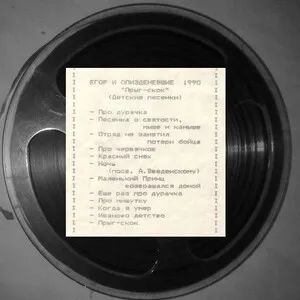
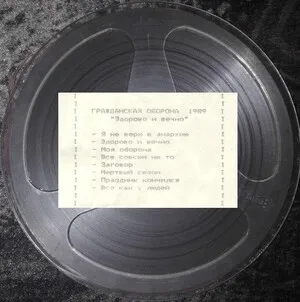
Because much of the scene operated far from Moscow and Leningrad, isolation and DIY necessity shaped both its aesthetic (tape hiss, rehearsal‑room ambience) and its ethos (magnitizdat self‑distribution, ad‑hoc touring), producing a distinctive Siberian underground identity within broader Russian rock.


History
Siberian punk emerged in the late 1980s as glasnost loosened cultural controls and local undergrounds flourished far from the USSR’s western cultural centers. Young bands in Omsk, Novosibirsk, and Tyumen absorbed British punk’s speed and defiance, combining it with the jagged textures of post‑punk and the blown‑out urgency of garage recording. With limited studio access, groups relied on magnitizdat—home‑dubbed cassettes—so the lo‑fi, saturated sound became part of the genre’s signature.
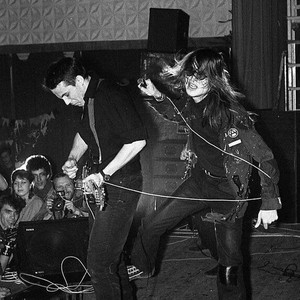
A tight web of musicians and projects coalesced around charismatic figures like Egor Letov and Roman Neumoev, whose bands recorded prolifically on cassette, toured informally, and circulated tapes hand‑to‑hand. Lyrics were explicitly anti‑authoritarian yet also poetic and introspective, reflecting Siberian everyday life and psychic weather—cold, vast, and often bleak. This blend of political protest, existentialism, and noise marked the scene apart from mainstream Russian rock.
Following the USSR’s collapse, Siberian punk’s DIY networks persisted, and many recordings from the era were recopied, reissued, or performed live for new audiences. The sound and stance influenced broader Russian indie, punk, and post‑punk revivals in the 2000s–2010s, while the core catalog became canonical touchstones for underground musicians.
Musically, Siberian punk is direct and minimal: fast 4/4, power‑chord riffs, chant‑like hooks, and abrasive timbres. Thematically, it pairs dissidence with stark personal reflection. Its legacy endures in Russian post‑punk and indie movements that cherish the same combination of raw sound, DIY ethics, and literate, dissident lyric writing.

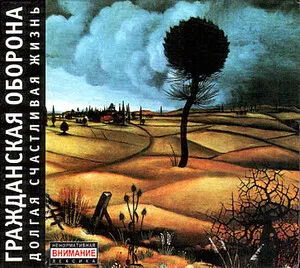
Top albums