Your digging level

For this genre
0/8
🏆
Sign in, then listen to this genre to level up

Description

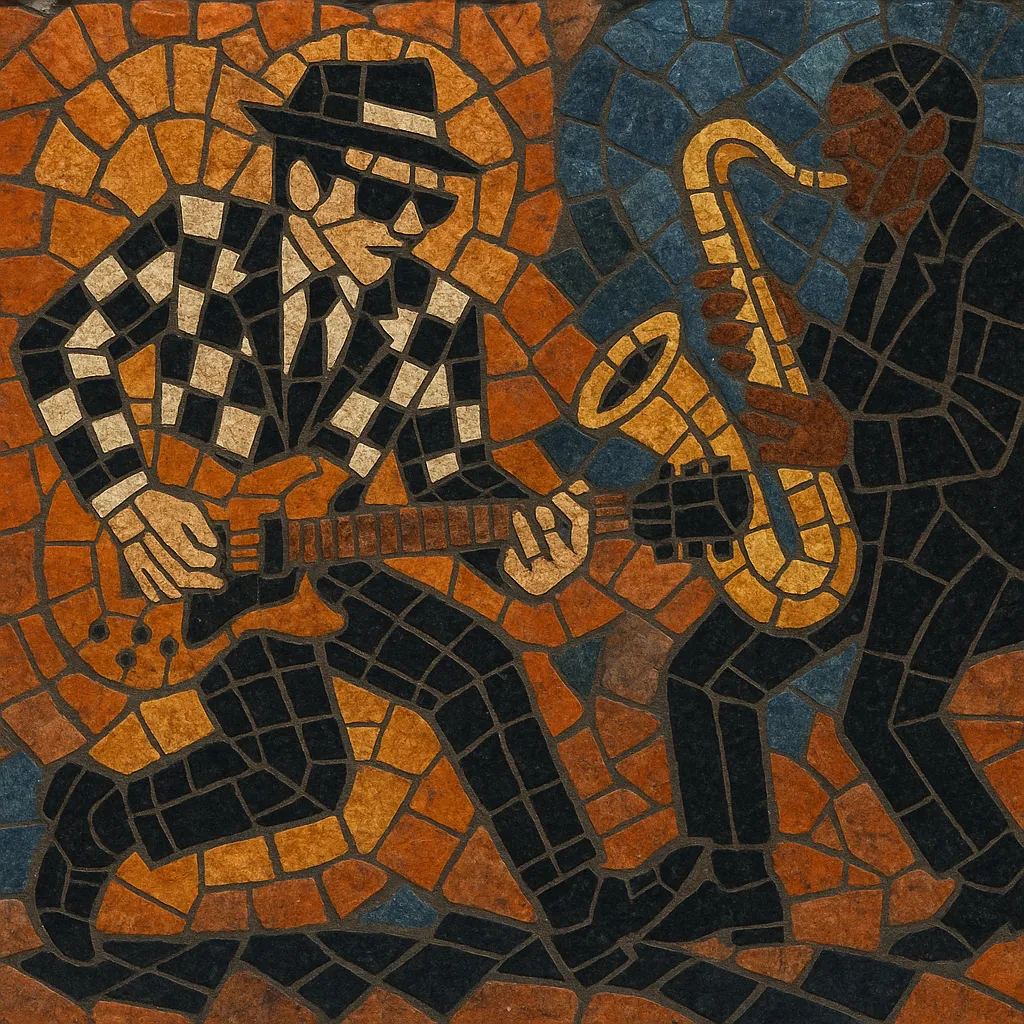
Third wave ska is the late-1980s to 1990s revival and reinvention of Jamaican ska, energized by punk rock and American alternative culture. It keeps the signature off‑beat “skank” guitar and punchy horn lines, but often accelerates tempos and borrows punk’s drive, sing‑along choruses, and DIY ethos.

While rooted in Jamaican ska, rocksteady, and reggae, third wave ska also filters those traditions through 2 Tone’s multicultural stance and brisk rhythmic feel. The result ranges from bright, danceable pop-ska to aggressive ska‑punk and skacore, with bands frequently switching between up-tempo punk sections and laid-back reggae breaks within a single song.


Sources: Spotify, Wikipedia, Discogs, RYM, MB, user feedback and other online sources

Under The Influence: 2 Tone Ska
Noisey
WHAT KILLED SKA-PUNK??
The Punk Rock MBA
Crass Course: Ska Punk & 3rd Wave Ska
The Punk Historian
How ska music was invented 🎶
Jon the Dad

History

Origins (late 1980s)

Third wave ska crystallized in the United States in the late 1980s as musicians inspired by Jamaica’s 1960s ska and the UK’s 2 Tone movement fused off‑beat rhythms with punk rock urgency. Early US scenes in places like Boston, New York, Southern California, and the Midwest nurtured touring circuits, small labels, and a horn-driven club sound that favored high energy and crowd participation.

1990s Boom and Mainstream Crossover

The 1990s saw a commercial breakthrough. Bands such as The Mighty Mighty Bosstones, No Doubt, Reel Big Fish, and Less Than Jake scored radio and MTV exposure, bringing off‑beat guitar skanks, call-and-response horn hooks, and pogo-friendly mosh pits to mainstream rock audiences. Meanwhile, parallel paths emerged: skacore blended hardcore punk with ska rhythms, while traditionalist bands like Hepcat emphasized rocksteady and early ska aesthetics within the same wave.

Aesthetic Range and Live Culture

Third wave ska spans a spectrum—from pop-leaning, hooky singles with bright brass arrangements to aggressive, fast ska‑punk with shouted gang vocals. Live shows became central to the genre’s identity, emphasizing dancing, stage dives, and a celebratory, communal atmosphere. DIY touring networks and college radio were crucial in connecting regional scenes across the US and beyond.

Decline and Legacy (2000s–present)

By the early 2000s, mainstream attention waned as broader rock trends shifted. However, the wave’s infrastructure—independent labels, festival culture, and a committed fanbase—helped ska persist. Subsequent revivals, the continued popularity of ska‑punk and skacore, and new generations of bands (including technically sophisticated horn writing and modern production) attest to third wave ska’s lasting impact on punk-adjacent and reggae‑influenced rock.

How to make a track

Groove and Tempo
•   Center the rhythm on the off‑beat “skank”: clean guitar upstrokes on beats 2 and 4 (or the off‑beats in 8th‑note feel). •   Drums use a tight, punchy backbeat with lively hi‑hat work. Alternate between brisk punk tempos (170–200 BPM) and half‑time reggae/rocksteady breakdowns for contrast. •   Bass lines can walk in a traditional ska/rocksteady manner or lock into driving eighths for ska‑punk; keep them melodic and syncopated to support the off‑beat feel.
Harmony and Form
•   Favor major keys and diatonic progressions (I–IV–V, I–vi–IV–V) with occasional secondary dominants and borrowed chords for color. •   Use verse–chorus forms with instrumental horn breaks and bridges that drop into reggae half‑time or dub‑style spaces. •   Craft catchy, call‑and‑response horn hooks that can return as a “tag” or post‑chorus riff.
Instrumentation and Arranging
•   Core setup: vocals, electric guitar (clean skank), electric bass, drums, and a horn section (typically trumpet, trombone, saxophone). •   Arrange horns in tight three‑part voicings, punctuating backbeats and outlining chord tones; add occasional unison lines for power and short shout‑chorus hits for excitement. •   Guitar alternates between clean off‑beat chops and occasional distorted downstroke sections for punk intensity; consider palm‑muted build‑ups before chorus entries.
Vocals and Lyrics
•   Emphasize energetic, sing‑along choruses with group backing vocals or gang shouts. •   Lyrical themes range from humorous and self‑aware to socially conscious, reflecting ska’s multicultural roots and punk’s commentary. •   Keep phrasing rhythmically tight to ride the off‑beat groove; leave space for horn responses.
Production Tips
•   Capture a bright, lively room sound; let horns sit forward with crisp articulation and light compression. •   Keep guitars clean and percussive in the skank, reserving distortion for dynamic lifts. •   Use occasional tape‑echo or spring‑reverb touches on horn or guitar stabs to nod to vintage ska/reggae aesthetics without losing modern punch.
Three Waves of ska variation #drums #ska
Harolddrummer
Three Waves of ska Variation #drums  #skamusic
Three Waves of ska Variation #drums #skamusic
Harolddrummer
How to Play Ska: Guitar Basics - Lesson 1
Adam Wallace
Do The Ska!  Learn How To Play a Ska Rhythm & Guitar Riff 🏁 [Lesson 2237]
Do The Ska! Learn How To Play a Ska Rhythm & Guitar Riff 🏁 [Lesson 2237]
Pro Guitar Studio

Make a Third Wave Ska track with our studio

Learn how to create music in the genres you love with our beginner-friendly studio that guides you step by step. Start making your own tracks in minutes.

Built for beginners Runs in your browser

Best playlists

Third Wave Ska
Third Wave Ska
Melodigging
Third Wave SKA and Skate Punk Rock Playlist
Skankin Captain
SKAMPILATION (THIRD WAVE SKA Compilation)
DANCE CRASHER SOUND
Third Wave Ska Punk Rock Playlist 🏁
Skankin Captain

Top tracks

Locked
Share your favorite track to unlock other users’ top tracks

Upcoming concerts

in this genre
Influenced by
Has influenced

Download our mobile app

Get the Melodigging app and start digging for new genres on the go
© 2026 Melodigging
Melodding was created as a tribute to Every Noise at Once, which inspired us to help curious minds keep digging into music's ever-evolving genres.
Buy me a coffee for Melodigging