Your digging level

For this genre
0/8
🏆
Sign in, then listen to this genre to level up

Description

Voidgrind is a modern, subterranean strain of black/death metal that fuses cavernous, reverb-drenched production with grinding tempos, dissonant interval clusters, and an overwhelming sense of spatial dread. The “void” is both a sonic image and an aesthetic: guitars smear into dense, low‑tuned walls; drums pivot from tectonic lurches to blast-driven avalanches; and vocals emerge as abyssal exhalations rather than narrative leads.

Musically it draws on blackened death metal’s corrosive timbres and grindcore’s extremity of pace, but bends them into through-composed, texture‑first forms. Harmony favors minor seconds, tritones, and tone clusters over functional progressions; rhythm slips between skank beats, blasts, and slow, ceremonial pulses. Lyrics and imagery revolve around cosmic nihilism, esoteric metaphysics, and anti-cosmic warfare—less storytelling than atmosphere-building.


Sources: Spotify, Wikipedia, Discogs, RYM, MB, user feedback and other online sources

History

Origins (1990s–2000s)

The roots of voidgrind lie in the late 1990s and 2000s cross-pollination of dissonant death metal and apocalyptic black metal. Bands began prioritizing atmosphere, non-functional harmony, and oppressive production—often down-tuned and drenched in reverb—while borrowing grindcore’s extremity of pace. Australian, Canadian, and European scenes were pivotal in carving out the sound’s early vocabulary: non-diatonic chord stacks, sustained pedal drones under blasting percussion, and vocals treated as additional low-frequency texture.

Codification (early–mid 2010s)

During the 2010s, the approach cohered: labels and underground circles clustered releases that paired “cavernous” death metal sonics with blackened dissonance and grind-informed drumming. The term “voidgrind” circulated as a tag for this specific fusion—less a single scene than a shared production ethos and compositional stance. Records emphasized engulfing spatial imaging (long room reverbs, smeared delays) and guitar languages that avoided conventional riff cadences.

Proliferation and Aesthetics (late 2010s–2020s)

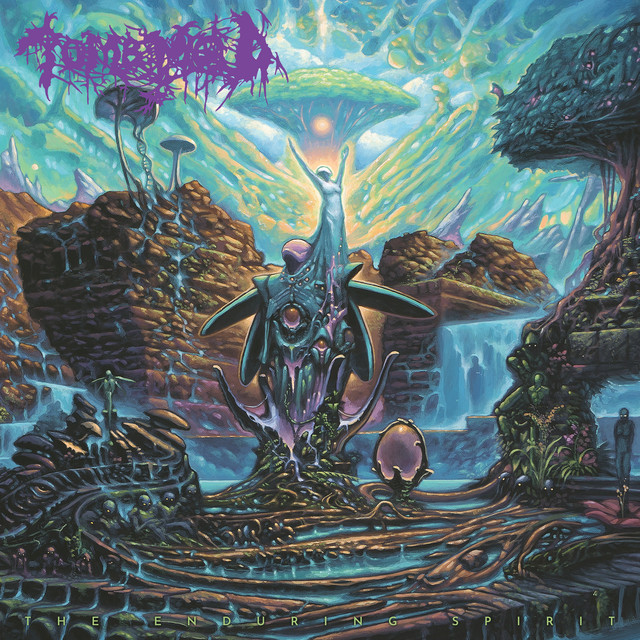
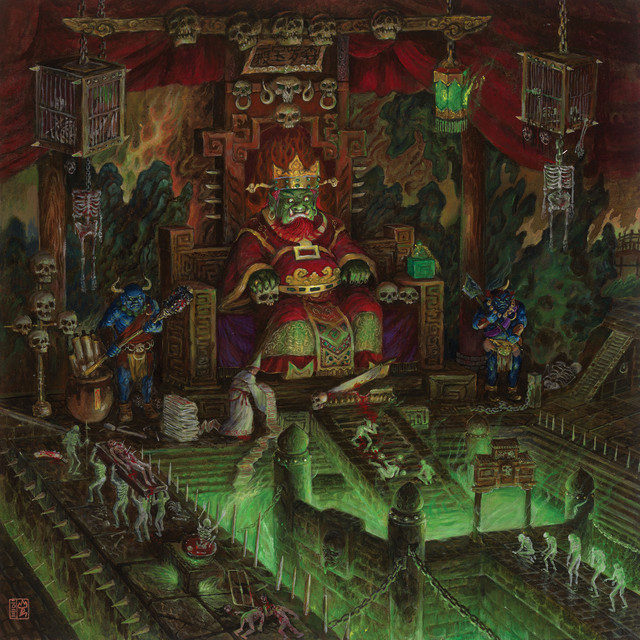
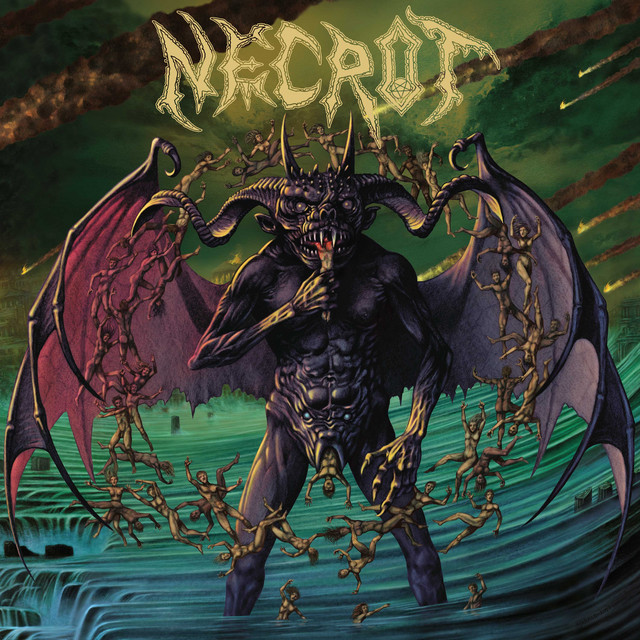
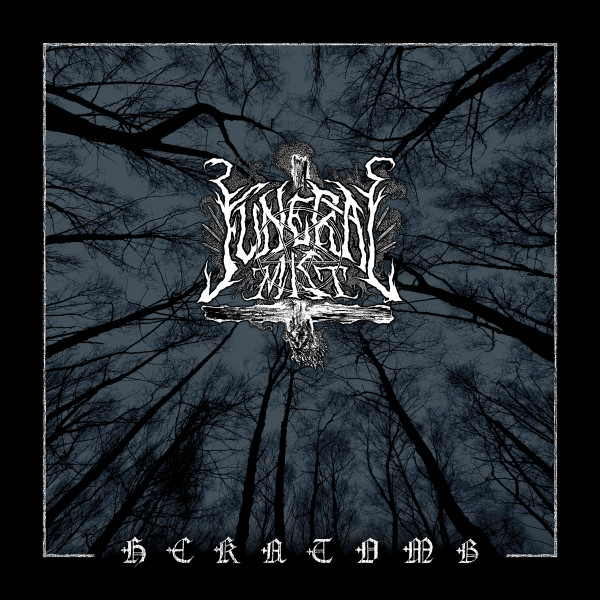
By the late 2010s, voidgrind had become a recognizable micro-genre: international scenes (U.S., Australia, Spain, U.K., Canada, New Zealand) pushed slower ceremonial passages against sudden accelerations, building terror through contrast and density. Artwork and themes gravitated to cosmic negation and ritual abstraction, aligning the sonic “void” with metaphysical ruin. Production craft evolved toward clarity-within-murk—allowing dissonant details to read without losing the genre’s hallmark opacity.

How to make a track in this genre

Instrumentation and Tuning
•   Two distorted guitars (down-tune to B, A, or lower; consider baritones), bass with a thick midrange, drums with dry close-mics plus a long room capture, and deep guttural/aspirated vocals. •   Pedals: transparent overdrives into high-headroom amps, subtle fuzz for bloom, long pre-delay plate/room reverbs and short modulated delays to smear transients without washing out attacks.
Harmony and Riff Design
•   Favor non-functional harmony: cluster chords (e.g., stacked seconds), semitone voice-leading, tritones, and symmetrical sets (e.g., whole tone fragments) over diatonic progressions. •   Use pedal tones and droning open strings while upper voices shift in minor seconds—this sustains “void” tension. •   Alternate tremolo-picked dissonant dyads with sustained, fretted clusters to contrast motion vs. mass.
Rhythm and Form
•   Drumming should pivot between skank beats, traditional and bomb blasts, and lurching half-time doom passages; sudden metric drops enhance dread. •   Phrase lengths can be irregular (e.g., 5–7–9 bars) to keep sections unmoored. •   Forms are often through-composed: think evolving texture blocks rather than verse/chorus. Use negative space—abrupt cutaways to bass/drone—to reset the ear.
Vocals and Lyrics
•   Treat vocals as texture: extremely low gutturals, throaty exhalations, or chant-like layers with heavy room reverb; keep intelligibility low to serve atmosphere. •   Themes: cosmic nullity, metaphysical entropy, ritual warfare, and anti-cosmic esoterica; write in imagistic fragments rather than linear narratives.
Production and Mix
•   Capture a roomy drum image (stereo rooms compressed in parallel) while keeping kick/snare articulation forward; let cymbals bloom into the “void.” •   Guitars: multi-mic (dynamic + ribbon), HPF around 70–90 Hz to leave subs for bass; send a post-fader aux to long plate/room for unified space. •   Bass: slightly overdriven with mid emphasis (400–800 Hz) to anchor pitch under dense guitars. •   Mastering: preserve headroom and low-end weight; aim for cohesion over loudness—too much limiting collapses the spatial illusion.

Top tracks

Locked
Share your favorite track to unlock other users’ top tracks

Upcoming concerts

in this genre
Influenced by
Has influenced
No genres found

Download our mobile app

Get the Melodigging app and start digging for new genres on the go
© 2026 Melodigging
Melodding was created as a tribute to Every Noise at Once, which inspired us to help curious minds keep digging into music's ever-evolving genres.
Buy me a coffee for Melodigging