Your digging level for this genre

0/8
🏆
Sign in, then listen to this genre to level up

Description

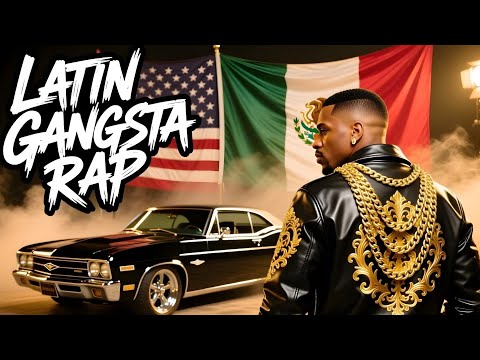
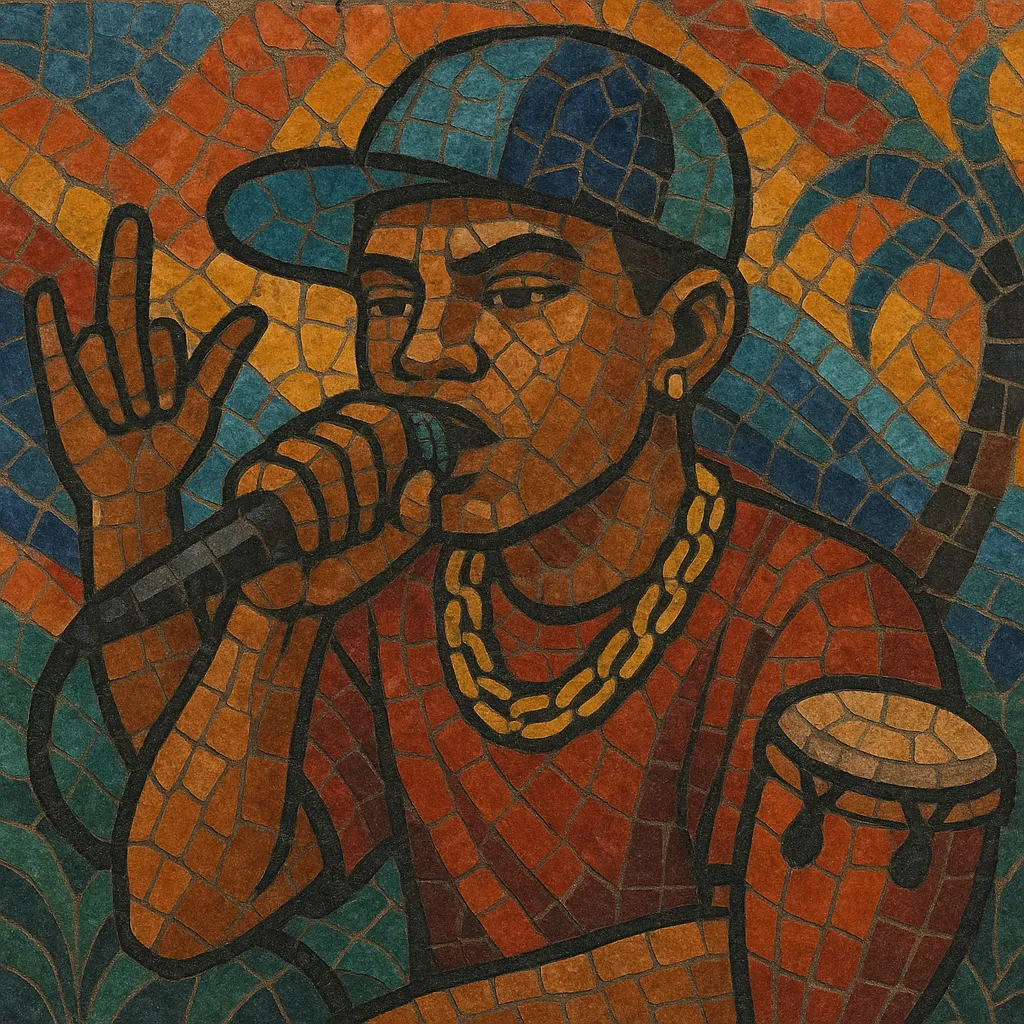
Latin rap is a bilingual and bicultural branch of hip hop in which Latinx and Latin American artists rap in Spanish, Spanglish, or English while drawing on Latin musical idioms.

It blends the rhythmic and lyrical frameworks of hip hop with Afro–Latin percussion, clave-derived grooves, and samples or interpolations from styles such as salsa, cumbia, merengue, and boogaloo.

Emerging in late-1980s Los Angeles, Miami, and New York, the genre spotlights Latin identity, migration, barrio life, and social commentary, while also celebrating party culture and dance-forward beats.

Its cross-border appeal helped open pathways for reggaeton and later trap latino, shaping the broader umbrella of “urbano latino.”

History

Origins (late 1980s)

Latin rap took shape in the late 1980s in U.S. Latinx communities, especially in Los Angeles, Miami, and New York. Early breakthrough records—Mellow Man Ace’s “Mentirosa” (1989) and Kid Frost’s “La Raza” (1990)—introduced mainstream audiences to bilingual (Spanish/English) rhymes over boom‑bap and G‑funk‑leaning beats, sometimes accented with congas, timbales, and samples from Latin recordings.

1990s Expansion

Through the 1990s, Latin rap diversified geographically and stylistically. In New York, Puerto Rican rappers like Big Pun and Fat Joe brought hardcore lyricism and chart success. In Mexico, Control Machete popularized Spanish‑language rap with raw, sample-heavy production. In Cuba, Orishas fused hip hop with Afro‑Cuban rhythms, setting a template for Caribbean and Latin American variants. The decade affirmed Latin rap as both an American and pan‑Latin phenomenon.

2000s Crossovers and Urbano Ecosystem

The 2000s saw wider crossovers and collaborations. Artists from Puerto Rico and the diaspora linked rap with dancehall and emerging reggaeton, while Miami and L.A. maintained bilingual, club‑oriented lanes. Acts like Tego Calderón and Calle 13 foregrounded Afro‑Caribbean roots and sociopolitical narratives, while mainstream-friendly figures (e.g., Pitbull’s early output) demonstrated pop viability for bilingual rap.

2010s–Present: Trap Latino and Globalization

In the 2010s, the rise of trap latino and the consolidation of “urbano latino” drew heavily on Latin rap’s bilingual flows, narrative themes, and production sensibilities, now updated with 808s, half‑time rhythms, and digital aesthetics. Streaming amplified scenes across the Americas and Spain, encouraging cross‑border features and expanding the genre’s stylistic palette while keeping hip hop’s storytelling at its core.

How to make a track in this genre

Rhythm and Groove
•   Start with hip hop foundations: boom‑bap (85–98 BPM) or G‑funk/West Coast swing; for modern vibes, use trap‑leaning half‑time at 65–75 BPM (or 130–150 BPM double‑time). •   Layer Afro–Latin percussion (congas, bongos, timbales, güiro, cowbell). Reference 3‑2 or 2‑3 clave to shape syncopation—even subtly—around the kick/snare grid.
Beat and Sound Design
•   Combine classic hip hop drums (punchy kicks, crisp snares) with Latin percussion loops or one‑shots. •   Sample or interpolate Latin recordings (salsa piano montunos, cumbia guitars, merengue horns, boogaloo breaks) and resample them with chops, filters, and swing quantization. •   For modern polish, add 808 subs, sparse hats, and atmospheric pads; keep percussion forward in the mix to preserve Latin character.
Harmony and Melody
•   Hip hop harmony is often minimal; use vamping progressions (i–VII–VI, ii–V–I) or montuno‑style piano riffs. •   Horn stabs, tres or nylon‑string guitar riffs, and simple pentatonic/Phrygian melodies can reinforce Latin flavor.
Flow, Language, and Lyrics
•   Employ bilingual (Spanish/English) or Spanglish lyricism; switch codes to punch lines or emphasize identity. •   Alternate between storytelling about barrio life, migration, community pride, and social commentary, and party anthems built for dance floors. •   Flow can range from laid‑back West Coast cadences to double‑time bursts; use call‑and‑response hooks and chantable refrains.
Arrangement and Performance Tips
•   Introduce the sample motif early, drop the drums to spotlight verses, and bring full percussion for hooks. •   Use breakdowns that highlight percussion or horns; consider a bridge where a salsa/cumbia/boogaloo element takes center stage. •   Live sets benefit from adding a percussionist and DJ to recreate the hybrid feel on stage.
Production References
•   Study early bilingual hits (e.g., Kid Frost, Mellow Man Ace) for boom‑bap plus Latin elements, and later works (e.g., Calle 13, Tego Calderón) for Caribbean fusions. •   When your beat tilts toward dembow, mind the boundary with reggaeton; keep hip hop drum priority and rap‑centric song form to stay in Latin rap.

Top tracks

Locked
Share your favorite track to unlock other users’ top tracks
Influenced by
Has influenced
Challenges
Digger Battle
Let's see who can find the best track in this genre
© 2025 Melodigging
Melodding was created as a tribute to Every Noise at Once, which inspired us to help curious minds keep digging into music's ever-evolving genres.
Buy me a coffee for Melodigging