Your digging level
Description
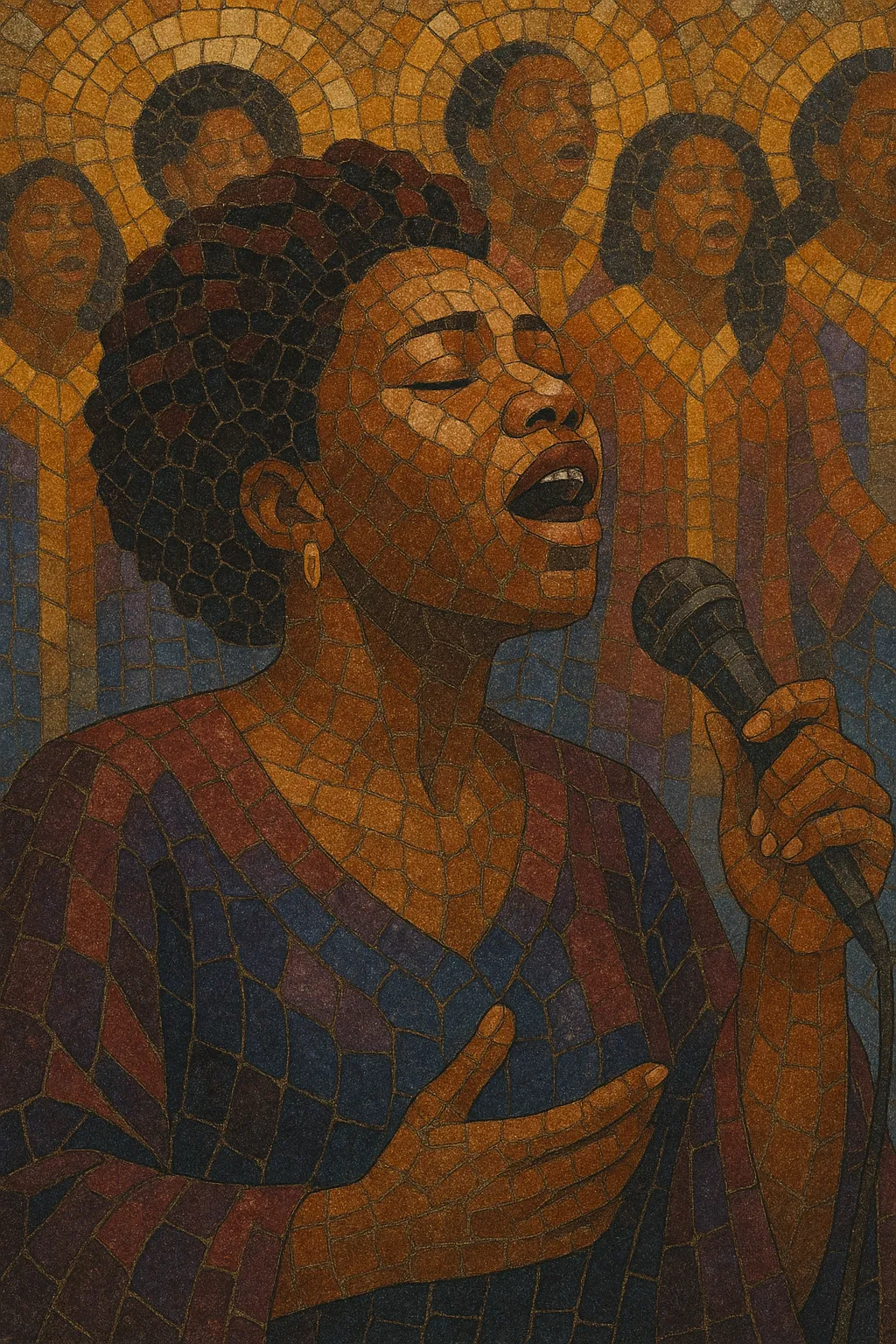
Gospel R&B is a fusion of contemporary rhythm-and-blues production with the lyrics, harmonies, and performance practices of Black church gospel.
It features soulful lead vocals, rich call-and-response with choirs, and harmonically sophisticated progressions (extended 7ths/9ths, secondary dominants, and classic gospel turnarounds) set over modern R&B grooves. Production draws on drum machines and programmed bass, Rhodes/organ/piano, smooth guitars, and polished vocal stacks, often incorporating hip‑hop swing and occasional rap cameos.
Thematically, the music centers on faith, testimony, perseverance, and praise, while communicating through hooks and arrangements familiar to urban and R&B radio audiences. The result is uplifting, radio-ready gospel that resonates both in church and on mainstream platforms.
History
While R&B has drawn on gospel since the 1950s, Gospel R&B as a distinct, church-centered style using contemporary R&B sonics solidified in the 1980s. Groups like The Winans and Commissioned, alongside producers and arrangers rooted in the Black church, began pairing choir-led worship, melismatic leads, and gospel harmony with sleek, urban radio aesthetics. This era established the sonic blueprint: devotional content delivered with modern R&B polish.
The 1990s saw Gospel R&B become a mainstream force. Kirk Franklin’s innovative projects (with The Family and God’s Property) brought hip‑hop beats, chantable hooks, and choir power to urban and pop audiences, landing on secular charts and videos. Yolanda Adams, BeBe & CeCe Winans, and CeCe Winans bridged Adult Contemporary, Urban AC, and gospel formats, proving the wide appeal of faith-forward R&B.
Acts like Mary Mary (“Shackles”), Fred Hammond (solo and with Commissioned alumni), J. Moss/PAJAM, and Jonathan McReynolds refined the balance between testimony and trend-aware production—new jack swing, neo‑soul, quiet storm, and later trap-influenced drums. Labels and radio embraced the “urban contemporary gospel” lane, with Billboard chart categories reflecting the style’s sustained impact.
In the streaming era, Gospel R&B thrives through playlist culture and collaborations with Christian hip‑hop and pop worship. Artists such as Koryn Hawthorne and PJ Morton integrate trap-soul textures, live church musicianship, and sophisticated songwriting. The style continues to influence both sacred music spaces and secular R&B, keeping the church’s harmonic language and communal energy in conversation with current production trends.