Your digging level

For this genre
0/8
🏆
Sign in, then listen to this genre to level up

Description

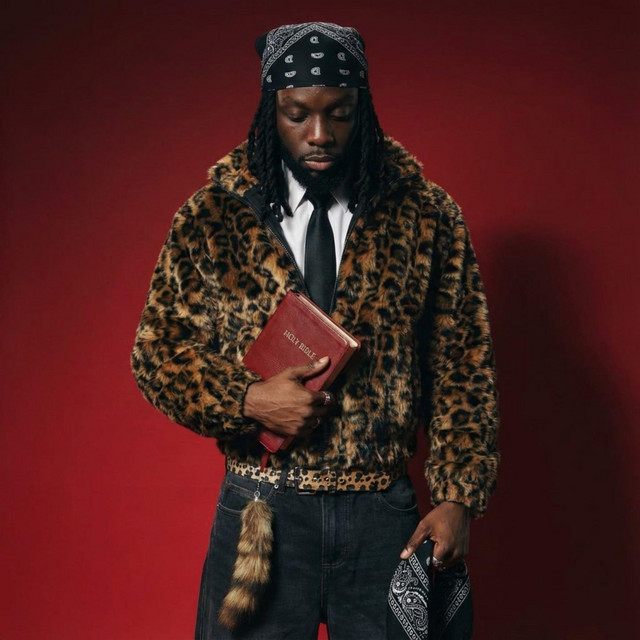
Christian trap is a faith-centered offshoot of trap and Christian hip hop that pairs 808-heavy drums, skittering hi-hats, and dark, atmospheric synths with explicitly Christian themes.

It retains the rhythmic bounce, triplet flows, and modern vocal processing of mainstream trap while redirecting the lyrical focus toward testimony, spiritual struggles, hope, and worship.

Producers often blend gospel harmony, choir textures, and scripture-inspired hooks with contemporary beatmaking, resulting in songs that can sit alongside secular trap sonically but feel uplifting and purpose-driven.

The style is especially prominent in the streaming era, where playlists and online communities helped it flourish and reach younger church and campus audiences.


Sources: Spotify, Wikipedia, Discogs, Rate Your Music, MusicBrainz, and other online sources

History

Origins (early–mid 2010s)

Christian trap emerged in the United States during the 2010s as Christian hip hop artists and producers embraced the sonic vocabulary of trap—sub-woofered 808s, rapid hi-hats, and half-time grooves—while keeping faith-forward lyrics. Reach Records and adjacent scenes began folding trap drums and melodies into CHH, creating a sound that resonated with youth culture without abandoning spiritual content.

Consolidation and visibility (mid–late 2010s)

By the mid-to-late 2010s, a wave of releases and singles from prominent CHH artists normalized trap sonics in Christian spheres. Touring youth conferences, college ministries, and festival stages increasingly featured trap-influenced sets, while media platforms and playlists (e.g., Rapzilla-curated spaces and DSP editorial lists) amplified the sound. Hooks became more melodic and Auto-Tune-friendly, while verses alternated between double-time and triplet flows typical of Atlanta-influenced trap.

2020s and global diffusion

In the 2020s, Christian trap solidified its role as a youth-facing expression of Christian music. Newer artists and producers leaned into moody pads, ambient choirs, and gospel chord movements, and the approach spread into pop worship and urban contemporary gospel. Outside the U.S., language-specific Christian rap scenes incorporated trap aesthetics, further broadening the style’s reach while retaining its core message of faith, perseverance, and praise.

How to make a track in this genre

Core tempo and groove
•   Write at 130–150 BPM (or 65–75 BPM half-time feel) with a heavy, spacious pocket. •   Place the snare/clap on beat 3 in half-time; use ghost notes and rimshots for bounce.
Drum and bass design
•   808 bass: tune to key, alternate sustained notes with quick sliding glides; saturate and sidechain to the kick for clarity. •   Hi-hats: program rapid 1/16–1/32 rolls, triplet bursts, and pitch/velocity variations; add occasional open-hat upbeats. •   Kicks: punchy, short transients; layer a subby 808 with a clicky top to cut through.
Harmony and melody
•   Favor minor keys with gospel-tinged extensions (add9, 11, 13) and progressions that move between i–VI–III–VII or i–IV–V variants. •   Blend ambient pads, bell plucks, reversed pianos, and airy choir/organ layers for a worshipful atmosphere. •   Hooks often use melodic Auto-Tune; keep melodies memorable and congregation-friendly when the goal is worship crossover.
Vocals and flow
•   Alternate melodic hooks with rap verses; use triplet and double-time flows common to trap. •   Stack ad-libs tastefully to emphasize key phrases; keep lead vocals upfront and clear.
Lyrics and themes
•   Center on testimony, grace, perseverance, and scripture references; avoid explicit content. •   Balance personal narrative with communal encouragement; craft choruses that encapsulate hope or praise.
Arrangement and dynamics
•   Intro with filtered pads or vocal chops; drop into full drums at verse or hook. •   Employ breakdowns and drop-outs before choruses; automate reverb/delay throws for lift.
Mixing and polish
•   Leave headroom for loudness; carve low end (30–40 Hz roll-off where needed) to prevent mud. •   Parallel compression on drums; multiband control on 808; de-ess melodic vocals/Auto-Tune artifacts. •   Reference both CHH and mainstream trap for translation across earbuds, cars, and church PA systems.

Main artists

Top tracks

Locked
Share your favorite track to unlock other users’ top tracks
Influenced by
Has influenced
Challenges
Digger Battle
Let's see who can find the best track in this genre
© 2026 Melodigging
Melodding was created as a tribute to Every Noise at Once, which inspired us to help curious minds keep digging into music's ever-evolving genres.
Buy me a coffee for Melodigging