Your digging level

For this genre
0/8
🏆
Sign in, then listen to this genre to level up

Description

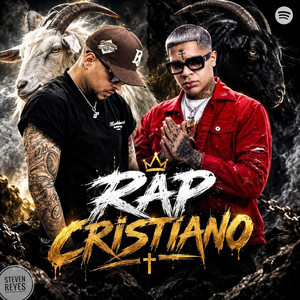
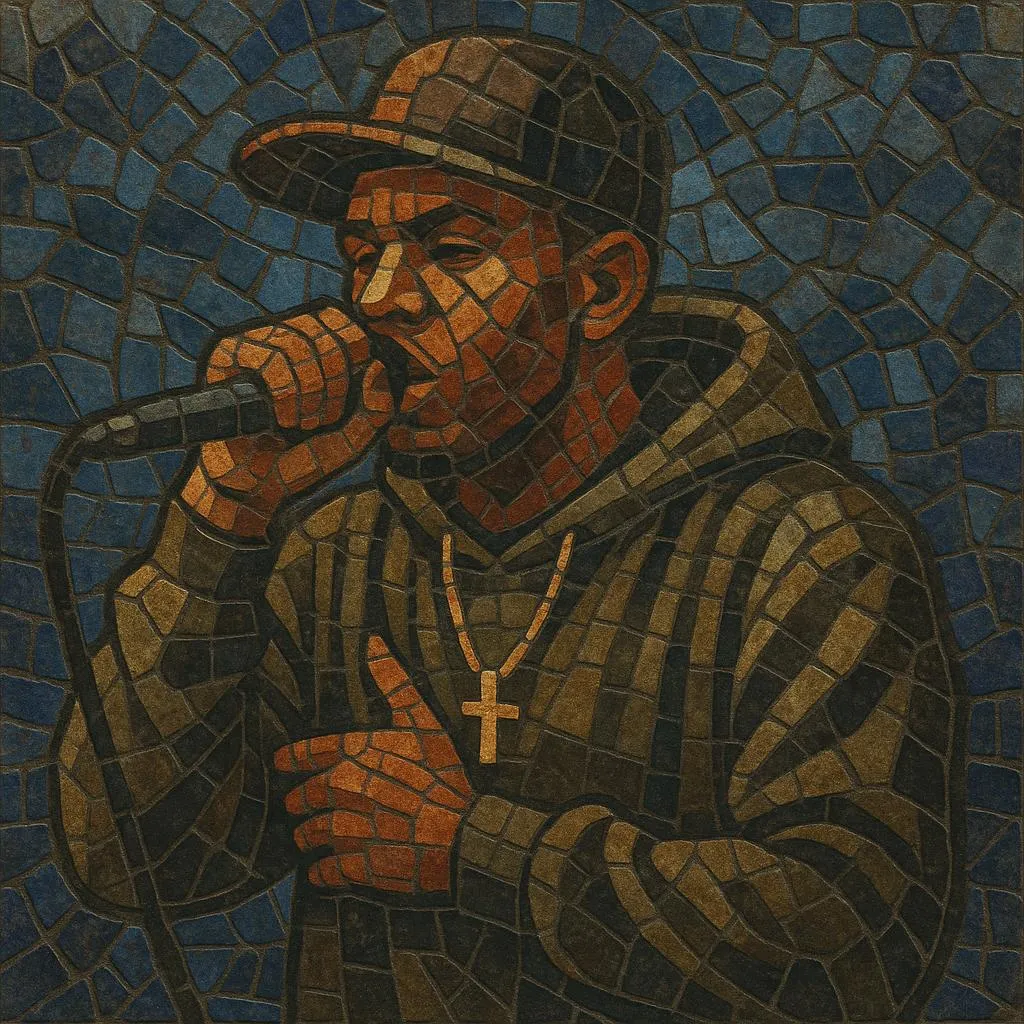
Rap cristiano is Spanish-language Christian rap that blends hip‑hop’s verbal virtuosity with explicitly faith-centered themes. Rooted in testimony, scripture, and street realism, it aims to edify while retaining the stylistic edge of urban rap.

Musically it spans boom‑bap, trap, and Latin urban rhythms, often colored by gospel harmony, sung hooks, and congregational call‑and‑response. Lyrically it moves from personal conversion narratives and social critique to worship and evangelism, delivered in Spanish (often with Spanglish) and local slang.

The genre built strong scenes across Puerto Rico, the Dominican Republic, Mexico, and U.S. Latino communities, forming a bridge between church spaces and hip‑hop culture. Its artists prioritize clean, uplifting content without sacrificing flow, punchlines, or contemporary production.


Sources: Spotify, Wikipedia, Discogs, RYM, MB, user feedback and other online sources

History

Origins (1990s)

Spanish-language Christian rap emerged in the 1990s as Latino hip‑hop scenes in Puerto Rico and U.S. diasporic hubs matured. Early practitioners adapted the cadence and storytelling of hip‑hop to Christian testimony and Bible-inflected lyricism, performing at youth rallies, churches, and small community stages.

Consolidation and Regional Spread (2000s)

In the 2000s the movement professionalized, releasing full-length albums and coordinated collaborations across Puerto Rico, the Dominican Republic, Mexico, and the U.S. mainland. Artists fused classic boom‑bap with Caribbean rhythms and R&B/gospel hooks, while labels, ministries, and collectives organized tours and festivals that connected church circuits with urban venues.

Digital Breakthrough and Stylistic Expansion (2010s)

Streaming platforms and social media amplified reach far beyond local congregations. Sonically, rap cristiano embraced contemporary trap drums (808s, half‑time hats), atmospheric pads, and Latin urban textures. Crossovers with worship leaders and Latin pop further normalized explicitly Christian rap within broader urban playlists.

Present Day (2020s–)

Today the genre occupies a stable niche in the global Latin urban market. It coexists with Christian trap, drill, and reggaetón substyles, while maintaining distinct values: lyrical clarity, spiritual formation, and community impact. International collaborations and bilingual releases reflect a maturing ecosystem that is both ministry-driven and artistically competitive.

How to make a track in this genre

Beat & Tempo
•   Use hip‑hop foundations: 85–95 BPM for boom‑bap storytelling, 130–150 BPM halftime (65–75 effective) for trap aesthetics. •   Layer Latin urban elements (dem‑bow‑inspired percussion, congas, claps) subtly to honor regional flavor without shifting fully into reggaetón.
Harmony & Melody
•   Favor minor keys with gospel-tinged progressions (e.g., i–VI–III–VII or i–VI–IV–V) to balance grit and uplift. •   Employ soulful or worship-like choruses: sung hooks, stacked harmonies, or small choir/ensemble textures for congregational resonance.
Flow & Delivery
•   Alternate tight multisyllabic schemes with clear enunciation so scripture and message remain intelligible. •   Mix Spanish with occasional Spanglish; local idioms help authenticity while remaining respectful and edifying. •   Structure verses for narrative arc (setup—struggle—resolution/testimony), with a memorable, singable hook.
Lyrics & Themes
•   Core topics: testimony, hope, social justice through a Christian lens, spiritual warfare, communal uplift. •   Reference scripture thoughtfully; paraphrase for flow and clarity rather than over-quoting. •   Keep content clean; replace profane intensifiers with inventive metaphors, alliteration, and wordplay.
Arrangement & Production
•   Introduce pads/pianos for emotional bed; add subtle choir or call‑and‑response in hooks or bridges. •   Use modern drum design (808 subs, crisp claps/snares, rolling hi‑hats) but avoid excessive distortion that masks lyrics. •   Prioritize vocal intelligibility in the mix: gentle de‑essing, parallel compression, and centered lead with supporting doubles/ad‑libs.
Performance Practice
•   Engage audiences with call‑and‑response phrases and hands‑up moments suited to youth events and church venues. •   Live bands (drums, bass, keys, guitar) can translate studio trap/boom‑bap into dynamic worship‑rap sets without losing groove.

Top tracks

Locked
Share your favorite track to unlock other users’ top tracks

Upcoming concerts

in this genre
Influenced by

Download our mobile app

Get the Melodigging app and start digging for new genres on the go
© 2026 Melodigging
Melodding was created as a tribute to Every Noise at Once, which inspired us to help curious minds keep digging into music's ever-evolving genres.
Buy me a coffee for Melodigging