Your digging level
Description
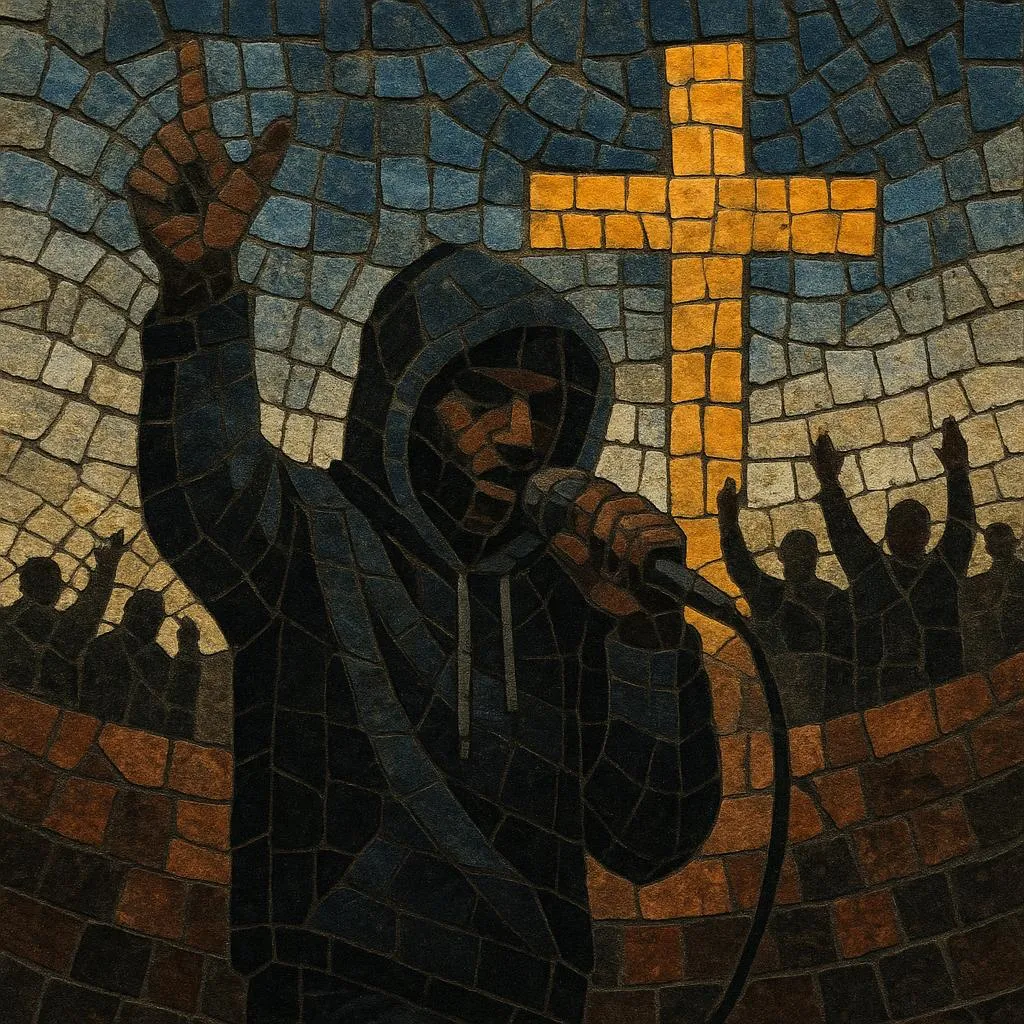
Gospel drill is a faith-centered substyle of UK drill that keeps the genre’s icy, sliding 808s, half-time bounce, and menacing orchestral pads, but replaces nihilistic street narratives with Christ-centered testimony, repentance, and hope.
Emerging from London’s Christian rap communities in the late 2010s, it retains drill’s rhythmic DNA—syncopated snares, triplet hi-hats, and gliding bass—while reframing the message toward redemption and community uplift. Hooks often use congregational call-and-response and scripture-inflected punchlines, making the sound both street-credible and devotional.
Production is typically in minor modes (Aeolian/Phrygian), 140–150 BPM, with characteristic UK drill drum programming and dark textures, yet the affect is uplifted by triumphant choral hits, gospel chords, and motivational bars.
History
Gospel drill took shape in South London as young Christian MCs and church-adjacent collectives began rapping faith-forward lyrics over UK drill instrumentals. While drill itself descends from Chicago drill (early 2010s) and then localized into a distinct UK sound mid‑2010s, gospel drill’s decisive turn was lyrical: testimony, discipleship, and social redemption themes delivered with the same flows, cadences, and sonic signatures of UK drill.
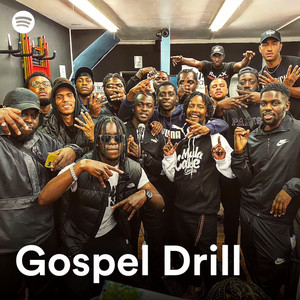
Groups like Hope Dealers, connected with youth ministry circles, drew attention by bringing explicitly Christian content to popular freestyle platforms and street-rap channels. This visibility normalized the idea that drill’s cadence and sound design could carry a gospel message.
Through the early 2020s, the style spread via YouTube channels, Christian rap platforms, and UK gospel media, with collaborations across Christian hip hop and grime scenes. Artists experimented with choir stabs, church-organ timbres, and scripture-quoting hooks while keeping the 808 glide and snare placement that define UK drill. The style also informed youth worship and outreach contexts, where drill instrumentals were used in live sets and faith events to engage younger audiences.
Gospel drill preserves drill’s dark, cinematic palette and percussive intensity but reframes the narrative arc toward hope, deliverance, and community impact. Its rise sparked debate about appropriating street aesthetics; supporters argue that transforming the sonic grammar of drill into a redemptive message is itself a form of contextual ministry.
By mid‑2020s, gospel drill has become a recognizable lane within Christian rap in the UK and diaspora—appearing on playlists, cyphers, and showcases—and influencing worship-adjacent styles that borrow drill grooves while centering congregational participation.