Your digging level

For this genre
0/8
🏆
Sign in, then listen to this genre to level up

Description

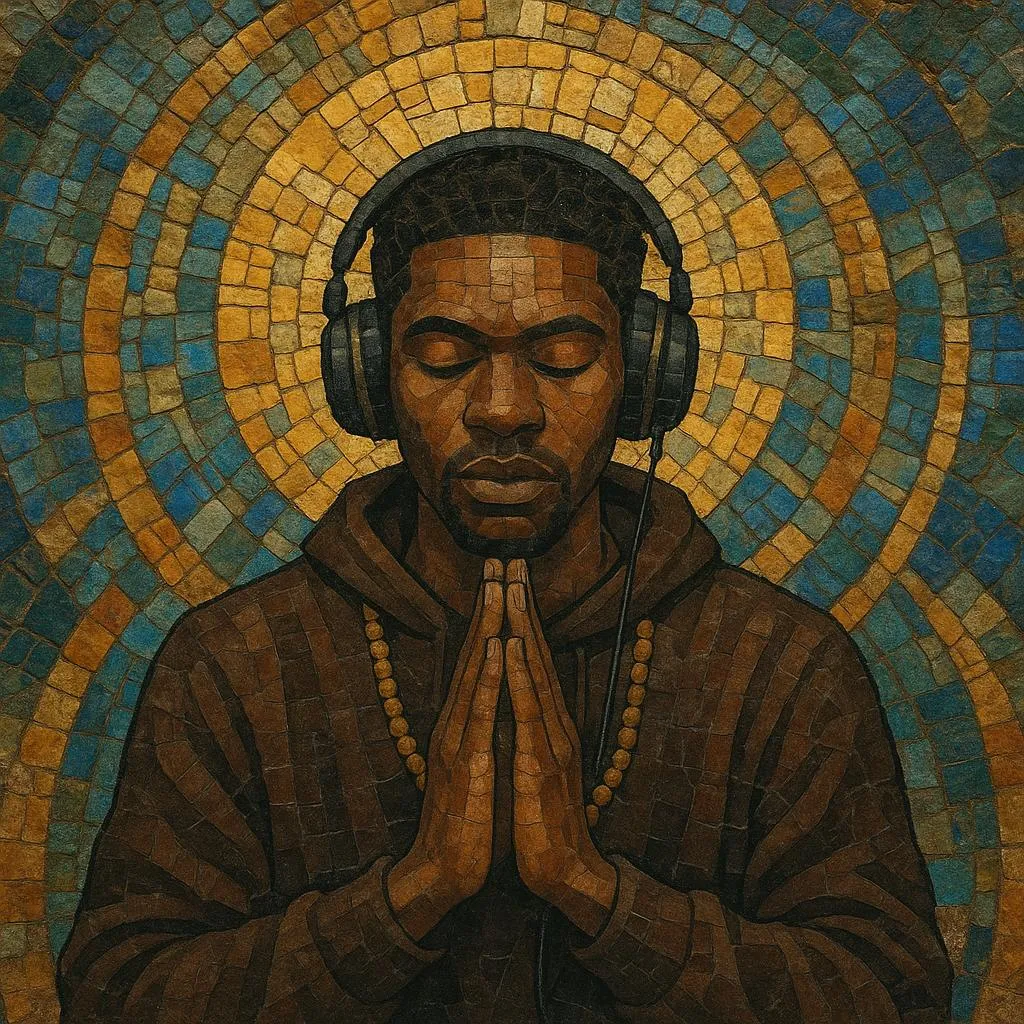
Spiritual hip hop is a lyrically conscious branch of hip hop that centers spirituality, faith, moral reflection, and inner growth. It blends traditional rap flows with uplifting, introspective, or devotional themes drawn from a wide spectrum of beliefs and practices (from Christianity and Islam to Buddhist, Hindu, and other contemplative traditions).

Musically, it commonly uses boom‑bap or soulful drum grooves, gospel choirs, jazz and soul samples, ambient pads, and occasional world instruments or chant snippets. The tone ranges from meditative and encouraging to celebratory and communal, prioritizing message, clarity, and affirmation over shock or nihilism.


Sources: Spotify, Wikipedia, Discogs, RYM, MB, user feedback and other online sources

History

Roots (late 1980s–1990s)

Spiritual currents have been present in hip hop since its formative decades. Afrocentric and Five‑Percent Nation teachings informed the poetics of artists such as Rakim, Brand Nubian, KRS‑One, and members of the Native Tongues movement, who emphasized knowledge of self, social uplift, and moral responsibility. In parallel, early Christian hip hop acts and gospel influences brought overt faith language and choir textures into rap, establishing a template for devotional lyricism over boom‑bap and soul samples.

Consolidation and diversification (2000s)

As the "conscious" strain of hip hop matured, artists like Common, Mos Def (Yasiin Bey), Talib Kweli, The Roots, and Lauryn Hill integrated spiritual introspection with jazz‑ and soul‑inflected production. Outside the church context, a broader, multifaith spirituality emerged: yoga‑ and mantra‑inspired rap (e.g., MC Yogi), Sufi/Islamic devotional rap, and interfaith projects used hip hop as a vehicle for meditation, community healing, and ethical reflection.

New hybrids and global spread (2010s–present)

Gospel’s resurgence within mainstream rap (e.g., choir‑driven hooks, praise themes) and the rise of substyles like gospel trap and gospel drill show spiritual hip hop’s adaptability to modern sonics. Simultaneously, lo‑fi beat culture, world worship fusions, and region‑specific Christian rap scenes (Spanish-, Portuguese‑, and French‑language variants) adopted the genre’s uplifting ethos. Today, spiritual hip hop spans indie scenes and major platforms alike, functioning both as devotional music and as a reflective, hope‑oriented alternative within hip hop culture.


How to make a track in this genre

Core rhythm and tempo
•   Use hip hop tempos between 80–96 BPM for a reflective boom‑bap feel, or 120–150 BPM if drawing on trap/drill hybrids. •   Keep drums warm and human: swung hi‑hats, soulful kicks/snares, and tasteful percussion.
Harmony and texture
•   Sample or replay gospel choirs, Rhodes/Wurlitzer, jazz chords (maj7, add9, sus voicings), and soul strings for warmth and uplift. •   Layer ambient pads, subtle drones, or world instruments (harmonium, sitar, bansuri, kora) to evoke contemplation without clutter.
Melodic hooks
•   Craft call‑and‑response hooks with choir stacks or group chants for communal energy. •   Consider mantra‑like refrains: short, repeatable, and affirming.
Lyrics and delivery
•   Center themes of faith, gratitude, healing, justice, compassion, and self‑knowledge. •   Balance testimony (personal narrative) with scripture, parable, or proverb—always in accessible, contemporary language. •   Favor clear diction and moderate density so the message sits upfront; vary cadence to let key lines breathe.
Arrangement and dynamics
•   Open with a reflective intro (spoken word, prayer, or soft instrumentation), build to a lifting hook, and leave space for a bridge or breakdown that feels like a pause for breath. •   Use drops where drums fall out under a pivotal lyric; reintroduce full rhythm with choir or instrumental swell for catharsis.
Production and mixing
•   Prioritize intelligibility of the vocal; tame sibilance and carve gentle midrange space. •   Saturate drums lightly for body; glue with bus compression; add short plates/springs on hooks and subtle room on verses to keep intimacy. •   If using devotional samples, clear rights; or recreate with session singers/instruments to honor source traditions.
Performance practice
•   Encourage audience participation (call‑and‑response, claps) in live settings to mirror communal worship/meditation roots. •   Maintain authenticity: let spiritual content inform delivery and stagecraft without preaching at the expense of groove.

Top tracks

Locked
Share your favorite track to unlock other users’ top tracks

Related labels

Upcoming concerts

in this genre
Influenced by
Has influenced

Download our mobile app

Get the Melodigging app and start digging for new genres on the go
© 2026 Melodigging
Melodding was created as a tribute to Every Noise at Once, which inspired us to help curious minds keep digging into music's ever-evolving genres.
Buy me a coffee for Melodigging