Your digging level
Description
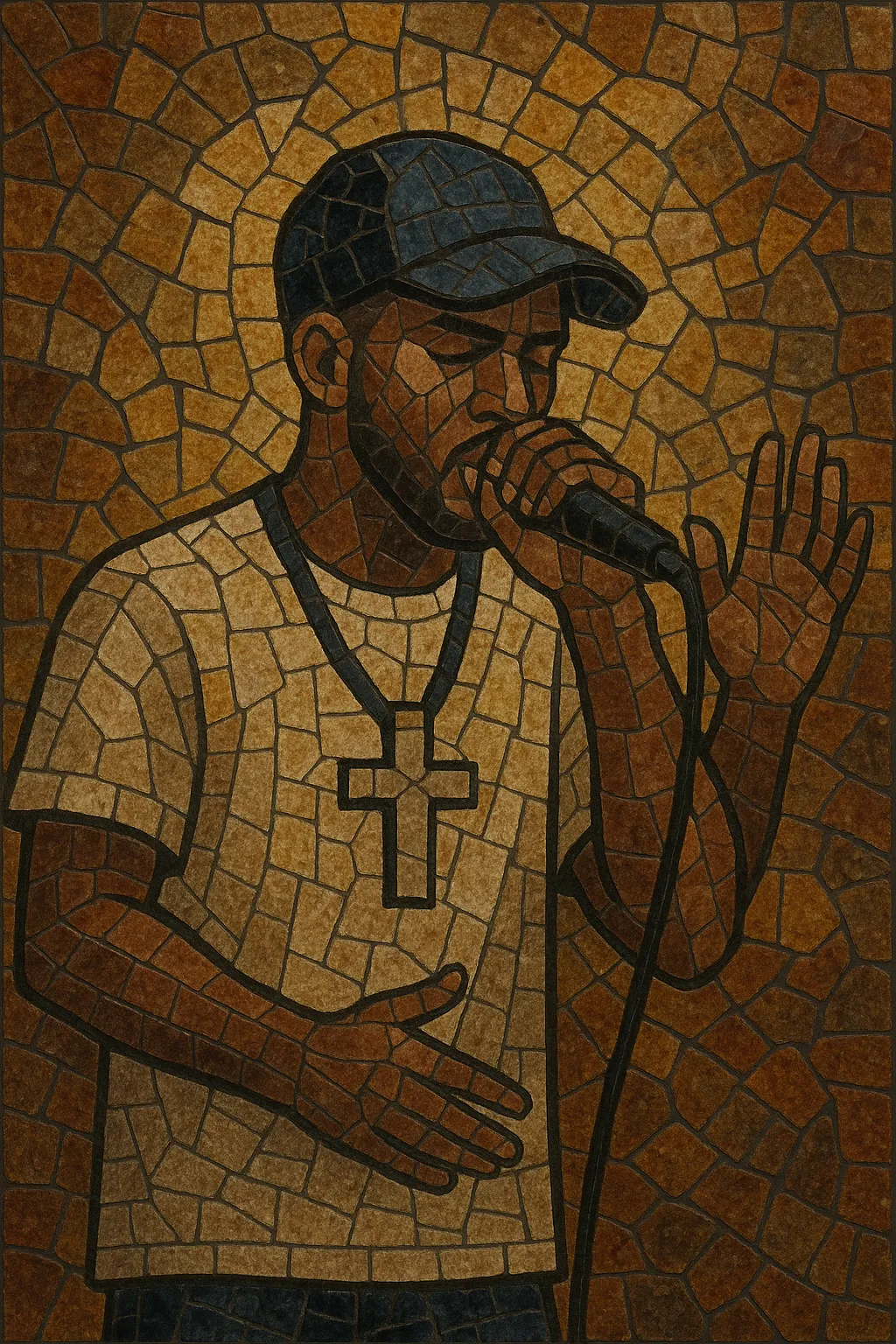
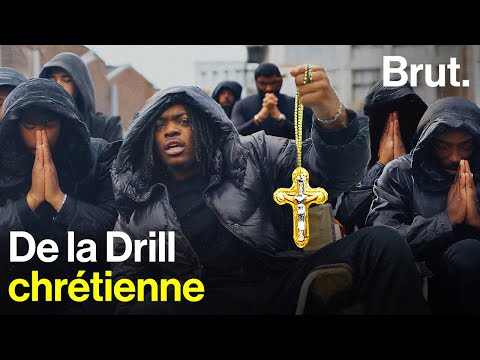
Rap chrétien is the French-language label for Christian hip hop, a subgenre of hip hop defined by explicitly Christian themes, biblical references, and testimony-driven storytelling. While sonically it spans classic boom-bap to modern trap and pop-rap, its lyrical core centers on faith, redemption, social conscience, and hope.
Production often blends hip hop drums (from dusty breakbeats to 808-heavy trap) with gospel elements such as choir layers, church organs, soulful hooks, and worship-style refrains. Artists typically avoid profanity and emphasize uplifting, reflective, or evangelistic content, making the style at home both on mainstream platforms and within church or youth-group contexts.
Across its history, rap chrétien has balanced cultural credibility within hip hop with theological authenticity, resulting in a scene that can be both street-aware and spiritually focused, from underground cyphers to charting albums and Grammy-winning releases.



History
Christian rap took shape in the United States during the 1980s as hip hop itself was expanding. Early adopters experimented with pairing boom‑bap beats and turntablism with explicitly Christian lyrics, drawing influence from gospel music’s choir textures and testimony tradition. This embryonic phase laid the groundwork for artist collectives and labels that would professionalize the niche.
The 1990s saw a surge in activity with crews like The Cross Movement establishing a doctrinally grounded, East Coast–leaning sound, while acts such as DC Talk bridged rap, rock, and pop in the CCM (Contemporary Christian Music) ecosystem. Labels and distributors connected churches, college campuses, and bookstores to a growing catalog. The 2000s diversified the palette—Southern hip hop and G‑funk influences emerged alongside worship‑inflected hooks, and international scenes (including Francophone Europe and Africa) began developing in parallel with the U.S. market.
In the 2010s, artists like Lecrae and Reach Records brought Christian rap into broader mainstream visibility, earning chart positions, awards, and festival slots. Production kept pace with contemporary hip hop trends—trap drums, atmospheric pads, and pop‑rap choruses—while retaining thematic commitments to faith, social justice, and personal transformation.
Streaming platforms, social media, and collaborations have globalized rap chrétien, with vibrant scenes in Francophone countries and diasporas. The sound now fluently moves between worship anthems, lyrical boom‑bap, melodic trap, and Afro‑influenced rhythms. Debates about theological depth, cultural relevance, and crossover appeal continue to shape the genre’s identity, even as its audience and stylistic range expand.
Start between 80–100 BPM for boom‑bap or 130–150 BPM halftime for trap. Use swung hi‑hats or steady eighth‑notes to fit your substyle. Layer punchy kicks and snares; add humanized percussion for groove.
Combine hip hop fundamentals (drum breaks, 808s, bass stabs) with gospel signifiers (organ, piano, choir pads, call‑and‑response adlibs). Sample soul/gospel phrases when legally permissible, or recreate them with choir libraries and live singers. For modern polish, add subtle saturation, parallel compression, and tasteful reverb delays.
Keep harmony functional and emotive—minor keys for introspection, relative majors for uplift. Four‑ to eight‑bar progressions with simple extensions (add9, sus2, 7ths) leave space for vocals. Melodic hooks—sung or chanted—help anchor the message and invite congregational participation.
Match your cadence to the beat’s pocket: tighter multisyllabic patterns for boom‑bap, more spacious phrasing over trap. Vary rhyme density and internal rhymes across verses to sustain interest. Use dynamic delivery—from intimate confession to energetic exhortation—to mirror the lyrical arc.
Center on testimony, scripture allusion, grace, hope, and social justice. Write with clarity and authenticity; avoid clichés by grounding lines in lived experience. Balance doctrine with narrative, pairing memorable hooks (e.g., a paraphrased Psalm) with concrete storytelling in verses.
Common forms: Intro → Verse → Pre‑Chorus → Chorus → Verse → Chorus → Bridge/Prayer/Spoken Word → Chorus/Outro. Consider a short devotional or scripture tag at the outro for live settings.
Invite singers, pastors/spoken‑word artists, or a choir for hooks and interludes. In performance, alternate high‑energy tracks with reflective moments; encourage call‑and‑response. Tailor set dynamics for both church stages and club/festival systems.